
Close Menu
Fund Focus News
    Facebook X (Twitter) Instagram
    Trending
    • Mutual fund exit load capped at 3%: When can investors still lose money by exiting early? – Money News
    • SEBI eases entry process for mutual fund AMCs but retains strict checks: What investors should know
    • This SBI fund beat all its active peers with 20%+ SIP returns across 3, 5, and 10 years – Mutual Funds News
    • Direct vs Regular Mutual Funds: What A 1% Expense Ratio Costs You Over 20 Years
    • Vanguard launches three global equity ETFs
    • Morningstar Flags 3 Dividend ETFs to Buy That Can Protect From a Stock Market Decline
    • Silver ETFs surge up to 6% as cooling US yields lift precious metals | Markets News
    • 5 essential tools every seasoned SIP investor should use
    Facebook X (Twitter) Instagram
    Fund Focus News
    • Home
    • Bonds
    • ETFs
    • Funds
    • Investments
    • Mutual Funds
    • Property Investments
    • SIP
    Fund Focus News
    Home»Mutual Funds»Is your portfolio heavy on growth strategy? Add dividend yield funds | Personal Finance
    Mutual Funds

    Is your portfolio heavy on growth strategy? Add dividend yield funds | Personal Finance

    August 29, 2024


    3 min read Last Updated : Aug 29 2024 | 10:14 PM IST


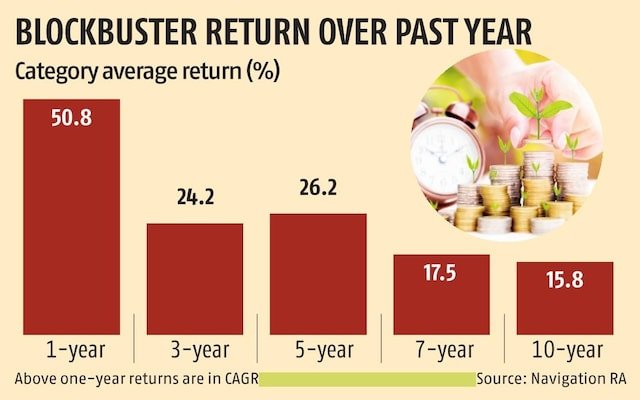
    Among thematic funds, dividend yield schemes have rewarded investors with 24.26 per cent returns over three years ended August 27, 2024, according to Value Research. Even as markets continue to rise, BoB BNP Paribas Dividend Yield Fund NFO opened for subscription on August 22.


    “Globally, we are at a point of transition from higher to lower interest rates. This is likely to lead to a shift across asset classes and geographies, leading to volatility. This could be the right time to consider dividend yield funds which invest in relatively stable companies and are likely to have lower volatility compared to the broader market,” says Shiv Chanani, Senior Fund Manager – Equity, Baroda BNP Paribas Mutual Fund.


    As of July 31, 2024, mutual funds managed AUM of Rs 30,638 crore through nine dividend yield schemes, according to data from the Association of Mutual Funds in India (Amfi).


    What do these funds do?


    Dividend yield schemes invest in stocks that offer attractive dividend yield. The dividend yield of a stock is computed by dividing the dividend per share by the price of the stock. For example, a stock quoting at Rs 1,000 pays out a dividend of Rs 30, then the dividend yield works out to be 3 per cent. The higher the dividend yield, the better it is, as it tends to contain downside. 


    “Companies that pay high dividends are often well-established and financially stable, which can make these funds less volatile compared to high growth-oriented funds. For those seeking regular income, these funds provide a steady stream of income through dividends,” says Sailesh Jain, Fund Manager, Tata Mutual Fund.


     Is it a sound yardstick?


    Companies with high dividend yields generally have strong balance sheets. “Companies that pay high dividends typically have strong cash flows and tend to be more stable,” says Atul Shinghal, Founder and CEO of Scripbox.


    However, dividend yield should not be seen in isolation. Investors should assess the consistency of the dividend payout. Exceptional items leading to higher dividend payouts need to be excluded. For example, a company announcing a special dividend to share the proceeds of a sale of assets should not be confused as a high dividend yield stock.


    Can miss opportunities


    Dividend yield funds do not let you gain from companies that do not pay dividends or pay very low dividends but have high growth possibilities, such as companies in their initial phase of life. Many good companies, with heavy investment needs, typically want to conserve capital and seldom pay dividends. “Due to their focus on high-dividend-paying companies, dividend yield funds often avoid high-growth stocks. As a result, these funds may underperform compared to other equity funds when the growth style of investing is in favour,” Shinghal says.


    “In tough economic times, companies might reduce or eliminate dividends, which can negatively impact the fund’s returns,” says Jain.


    What should you do?


    Investing in dividend yield schemes may work for investors with relatively less risk appetite. “These funds are suitable for investors looking for high-quality companies and are good for investors who are predominantly invested in higher-risk category funds,” Chanani says.


    One should invest with a minimum five-year view using a systematic investment plan (SIP). “In general, an investor may consider having 20-25% of their overall mutual fund exposure to these funds,” Jain says.


    “For conservative investors or those nearing retirement, a higher allocation may be appropriate. Younger investors or those with higher risk tolerance might consider smaller allocation, using dividend yield funds as a complement to more growth-oriented investments,” Shinghal says.
    chart

    First Published: Aug 29 2024 | 7:28 PM IST


    Source link

    Share. Facebook Twitter Pinterest LinkedIn Tumblr Telegram Email

    Related Posts

    Mutual fund exit load capped at 3%: When can investors still lose money by exiting early? – Money News

    August 20, 2026

    SEBI eases entry process for mutual fund AMCs but retains strict checks: What investors should know

    August 20, 2026

    This SBI fund beat all its active peers with 20%+ SIP returns across 3, 5, and 10 years – Mutual Funds News

    August 20, 2026
    Leave A Reply Cancel Reply

    Top Posts

    The Shifting Landscape of Art Investment and the Rise of Accessibility: The London Art Exchange

    September 11, 2023

    Charlie Cobham: The Art Broker Extraordinaire Maximizing Returns for High Net Worth Clients

    February 12, 2024

    Mutual fund exit load capped at 3%: When can investors still lose money by exiting early? – Money News

    August 20, 2026

    The Unyielding Resilience of the Art Market: A Historical and Contemporary Perspective

    November 19, 2023
    Don't Miss
    Mutual Funds

    Mutual fund exit load capped at 3%: When can investors still lose money by exiting early? – Money News

    August 20, 2026

    A lower exit load may sound like good news for mutual fund investors, but it…

    SEBI eases entry process for mutual fund AMCs but retains strict checks: What investors should know

    August 20, 2026

    This SBI fund beat all its active peers with 20%+ SIP returns across 3, 5, and 10 years – Mutual Funds News

    August 20, 2026

    Direct vs Regular Mutual Funds: What A 1% Expense Ratio Costs You Over 20 Years

    August 20, 2026
    Stay In Touch
    • Facebook
    • Twitter
    • Pinterest
    • Instagram
    • YouTube
    • Vimeo
    EDITOR'S PICK

    2024 Bond Proposal – Salt Lake City School District

    August 9, 2024

    Winning move for investment into equity MF: Go for funds with lower probability of loss if you are a conservative investor

    October 13, 2025

    Navigating offshore investments: Understanding your direct and indirect options

    May 6, 2025
    Our Picks

    Mutual fund exit load capped at 3%: When can investors still lose money by exiting early? – Money News

    August 20, 2026

    SEBI eases entry process for mutual fund AMCs but retains strict checks: What investors should know

    August 20, 2026

    This SBI fund beat all its active peers with 20%+ SIP returns across 3, 5, and 10 years – Mutual Funds News

    August 20, 2026
    Most Popular

    🔥Juve target Chukwuemeka, Inter raise funds, Elmas bid in play 🤑

    August 20, 2025

    💵 Libra responds after Flamengo takes legal action and ‘freezes’ funds

    September 26, 2025

    ₹9000 monthly SIP can help you retire at 45 with ₹2 lakh monthly pension

    May 5, 2026
    © 2026 Fund Focus News
    • Get In Touch
    • Privacy Policy
    • Terms and Conditions

    Type above and press Enter to search. Press Esc to cancel.