By Vishal Kumar Singh
New Delhi: From the tea ceremonies of Japan to Instagrammable lattes worldwide, matcha has travelled far — not just geographically but culturally.
Today, it is as likely to appear in a gym smoothie in Bengaluru as in a Kyoto tea house. But is this finely ground green tea powder genuinely superior to coffee and black tea, or just another wellness fad?
To understand better, ETHealthworld asked nutrition experts to weigh in, uncovering both the promise and the pitfalls of this emerald-green brew..
Why Matcha Stands Apart?
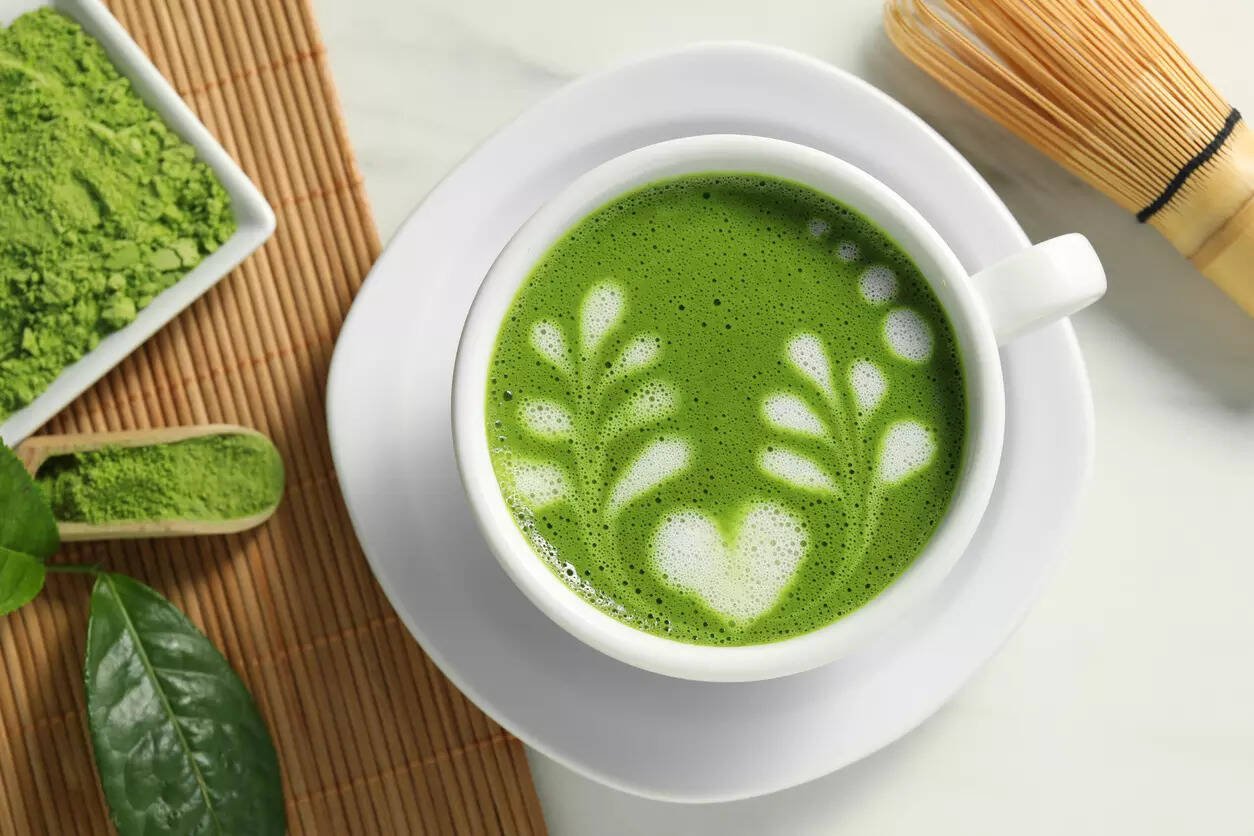
Matcha differs from regular green tea because you consume the powdered leaf, not just an infusion. This gives it a richer nutritional profile.
Payal Sharma, Senior Nutritionist, Dharamshila Narayana Superspeciality Hospital, Delhi, explains, “The matcha production process involves shade-growing the Camellia sinensis leaves, enhancing the formation of bioactive compounds such as L-theanine, chlorophyll, and polyphenols.
Consuming matcha means ingesting the whole powdered leaf, resulting in 2 to 3 times higher antioxidant levels than traditional green tea. Antioxidants, particularly the catechin EGCG (Epigallocatechin gallate) confer extensive cellular protection and anti-inflammatory effects.”
Emphasising on moderate consumption, Sunita Devani, Dietician and Diabetic Educator, Narayana Hospital, Jaipur, said, “The optimal serving size of matcha for most adults to benefit without side effects typically ranges from 1 to 2 grams per serving, equivalent to about half to one teaspoon of matcha powder per cup.
Most guidelines recommend consuming 1 to 2 servings per day, which provides a balanced intake of antioxidants, caffeine, and amino acids while minimising the risk of caffeine-related side effects.”
Dt. Ritika Samaddar, Regional Head, Nutrition and Dietetics, Max Super Speciality Hospital, Saket, says the powder form explains its higher caffeine and compound content.
“In this, we are actually using the powdered form of the green tea leaves. Therefore, the quantity consumed is more compared to brewed green tea. Hence, in terms of the nutritional profile — whether it’s the caffeine or bioactive components, it is much higher than in regular green tea,” says Samaddar.
Veena V, Chief Clinical Dietician, Aster Whitefield Hospital, Bengaluru, emphasising on antioxidants, said, “Matcha contains over 137 times the amount of the antioxidant catechin, EGCG, compared to brewed green tea.
When it comes to caffeine, matcha contains it in moderation, which, when combined with L-theanine, yields sustained energy versus the quick burst and shakiness coffee can give.”
Matcha’s Compounds and Health Benefits
Experts agree EGCG and L-theanine drive matcha’s reputation.
Veena says EGCG supports cardiovascular health and fat oxidation, while L-theanine reduces stress and sharpens mental clarity. She notes that the synergy of caffeine and L-theanine creates a state of relaxed alertness.
Sharma agrees, adding that studies show L-theanine lowers stress markers and improves attention, particularly in older adults.
Dt. Samaddar, however, cautions that most of this evidence comes from Japanese animal studies, with limited human trials so far, though early results do point to reduced anxiety and better memory.
Weight Management and Metabolism
On metabolism, Sharma says matcha influences glucose and lipid pathways, improving insulin sensitivity and supporting healthier fat distribution. Veena echoes this, noting that catechins enhance fat oxidation and that the caffeine-L-theanine mix increases energy expenditure without harsh side effects. Dt. Samaddar is more reserved, pointing out that while rat studies suggest positive effects, human trials have yet to show clear, direct evidence of weight loss.
Practical Guidance: How, When, and How Much
Experts inform that moderation and timing are key, Dr Devani recommends consuming matcha earlier in the day for steady energy, “Mid-morning (around 10–11 a.m.) and early afternoon (2–3 p.m.) are the best times to consume matcha.
Drinking matcha in the morning helps bridge the natural mid-morning dip in cortisol levels, providing a calm yet sustained energy boost. Early afternoon consumption is effective for maintaining alertness and productivity without causing evening jitters or sleep disruption.”
Cautioning against late-day intake, Dr Veena echoes the advice, matcha is best consumed in the morning or early afternoon to maximise the effects of the caffeine and L-theanine. Try not to consume it in the late afternoons or evenings.”
Agreeing that moderation matters, Dt Samaddar, said, “It is higher in caffeine content, and too much caffeine is not good. Probably one or two cups of matcha a day is okay. But if you’re taking it late in the evening, it will affect your sleep.”
Experts also stressed about the preparation and sourcing matter.
According to Devani, the traditional method preserves the most benefits. “Traditional preparation by whisking matcha powder in hot water preserves the highest levels of antioxidants like catechins (especially EGCG. When matcha is combined with milk to create lattes, some reduction in antioxidant activity can occur due to interactions between milk proteins and matcha’s polyphenols,” she said.
Veena V agrees, though she notes that milk-based options still offer value, said, “Traditional brewing with plain water maintains the full profile of antioxidants and amino acids. Having milk or plant-based milk introduces the slight danger of diminishing antioxidant availability by protein binding, but it still offers different nutrients, makes matcha more palatable, and its benefits hold.”
Dt Samaddar warns that many commercial blends are misleading, saidm “Most people, when they are having matcha tea, take it as an almond matcha or some mixture where the matcha content is very low, sometimes just one to two percent. So, it may just be the name without the benefits.”
Are There Any Possible Health Risks from Prolonged Consumption?
Sharma notes possible side effects from excessive use, “High consumption of matcha may interfere with the absorption of essential minerals like iron and calcium. There are rare but reported cases of liver toxicity linked to excessive intake of green tea catechins. Pregnant women, children, and people with anxiety disorders or heart conditions should limit intake and consult healthcare professionals before consumption.”
Suggesting a gradual approach, Devani said, “Starting with a small serving and gradually adjusting based on personal tolerance and health status is recommended. High-quality ceremonial-grade matcha tends to be easier on the system due to balanced compounds and fewer contaminants.”
Who Should Avoid Matcha?
Though safe for most adults, experts agree matcha isn’t suitable for everyone. Pregnant and breastfeeding women should limit intake, as should people with anxiety, insomnia, or heart conditions. Those on blood thinners face risks from vitamin K, and individuals with gastritis or reflux may experience discomfort. Children under 12 are advised to avoid it altogether.
A Balanced Ally
So, is matcha hype or health hero? Experts agree it is richer in antioxidants and calming compounds than green tea, and gentler than coffee. It shows promise for stress relief, focus, and modest cardiovascular support. But its weight-loss and anti-tumor claims remain under-researched, and not all market products contain enough real matcha to matter.
Dt Samaddar sums up the evidence gap, said, “Some studies have shown benefits, but human trials remain limited.”
Reiterating the safest approach, Sunita Devani, said, “Consuming 1 to 2 servings per day provides antioxidants, amino acids, and caffeine to support energy, metabolism, and cognitive function without excess intake risks.”
In short, experts inform that matcha is no miracle but neither is it mere hype. It can be a valuable addition to a balanced diet if consumed mindfully, chosen carefully, and kept in perspective.