
Chay Lapin is President of Kay Properties & Investments, a Delaware Statutory Trust real estate firm.
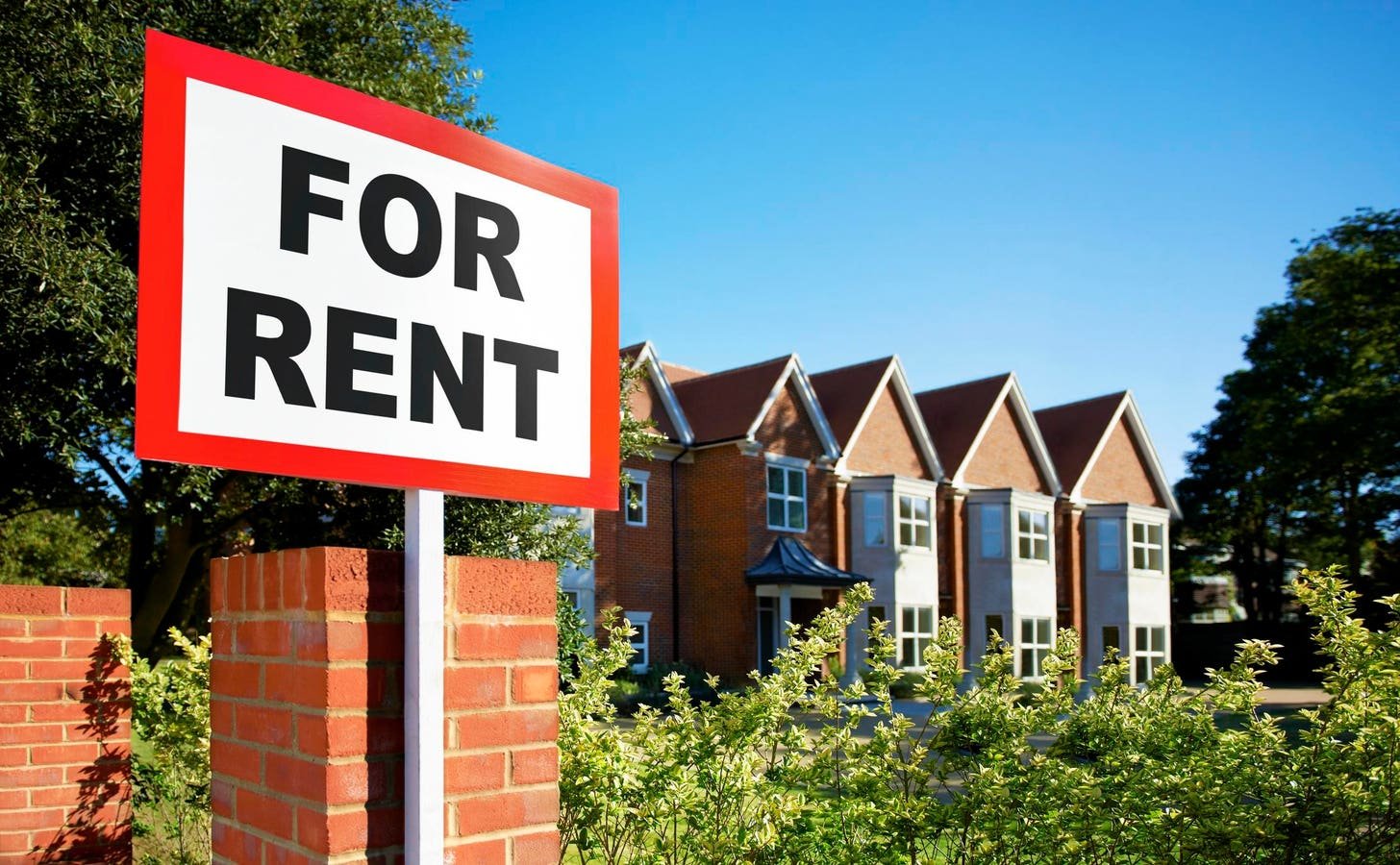
The build-to-rent (BTR) segment is a category within the U.S. real estate market that 1031 exchange investors should familiarize themselves with when selecting their Delaware Statutory Trust (DST) investments. As a purpose-built, professionally managed residential asset class, BTR blends the privacy and space of single-family living with the institutional quality and scalability of multifamily real estate.
Based on market research and analysis, as well as my firm’s experience with these investments, here are eight reasons why I see potential in BTR properties, along with the risks that are important to keep in mind before pursuing this option.
Key Factors Driving BTR Opportunities
1. Demographic-Driven Demand: From millennials to Baby Boomers, a wide demographic arc is driving the demand for rental homes that offer more space and flexibility without the financial burden of ownership. Looking closer, many millennials are considering starting or growing their families and require larger living spaces. Meanwhile, older generations, particularly Baby Boomers, are increasingly opting to rent. BTR properties can cater to these evolving lifestyle preferences.
2. Geographic And Product Diversification: BTR product types can range from traditional detached homes to townhomes, cottages and horizontal apartments. These projects are often developed in fast-growing metros and suburban markets, in my experience, which can provide geographic and design diversity to investors seeking tailored portfolio exposure.
3. Resilient Asset Class: Single-family rents, including BTR, have outperformed inflation long-term, according to a 2024 report by Berkadia. This demonstrates resilience even during economic downturns and potential as an inflation hedge for investors.
4. Rent Growth And Occupancy Rates: The Berkadia report also found that BTR properties tend to have lower tenant turnover and more consistent rent growth compared to traditional apartments, and BTR asking rents increased more than 2% year-over-year in 10 U.S. markets.
5. Professional Management: BTR communities are often professionally managed and include leasing teams, maintenance staff and amenities. This structure has the potential to reduce vacancy risk and operating expenses while improving the tenant experience.
6. Undersupply Of Housing: The U.S. continues to face a severe housing shortage—up to roughly 5 million units, according to some estimates. BTR developments can help close this gap by delivering rental inventory, especially in suburban markets where affordable, spacious housing is in demand.
7. Retention And Long-Term Tenants: In 2022, approximately 16% of renters stayed in their homes for five to nine years, and another 16% stayed in their homes for 10 years or more, according to a Redfin analysis. In my experience, it is not uncommon for BTR properties to include amenities like two-car garages, fenced backyards and more privacy than apartments, which can help foster this long-term mindset and potentially reduce costly turnover for investors.
8. Institutional Capital Inflows: Institutional investors have poured more than $50 billion into BTR assets since 2020, Business Insider reported, with giants like Blackstone and JPMorgan backing developments.
Challenges To Consider
Despite its growth trajectory, I’ve seen firsthand that the BTR model carries specific risks investors must consider. The sector is highly capital-intensive and sensitive to interest rate fluctuations, which can significantly increase borrowing costs and compress returns during development. Furthermore, the model faces execution risks like construction delays, labor shortages and material inflation, which can erode profit margins before a single unit is even leased.
Investors are also exposed to potent market risks. Concentrated development in popular regions raises the threat of market saturation, potentially leading to increased vacancy rates and downward pressure on rents. As a premium housing product, BTR is also more vulnerable to economic downturns than essential housing, as tenants may downgrade to more affordable options during periods of financial stress.
Given this, you should always carefully read the private placement memorandum—this is true for any investment—and pay particular attention to the overall business plan and risk disclosures. If you’re thinking of working with an operator, ensure it has a solid track record, and ask if the operator has experience in developing and managing these types of communities.
As the housing market in the U.S. continues to evolve, I expect to see the BTR model become a cornerstone of the modern rental economy. In my view, BTR represents a strategic asset class for investors seeking durable income and long-term appreciation. However, it’s not without risks, so investors need to evaluate potential investments carefully to set themselves up for success.
The information provided here is not investment, tax or financial advice. You should consult with a licensed professional for advice concerning your specific situation.
Forbes Business Council is the foremost growth and networking organization for business owners and leaders. Do I qualify?