
Credit: Klaus Vedfelt / Getty Images
If you’ve ever taken one sip of a wine and instantly decided “nope,” you’re not alone. Sometimes, our brains just love to make a snap judgment, especially when a flavor is unfamiliar, the wine is colder than expected, or the first thing you notice is a surprising zing of acid or grip of tannin.
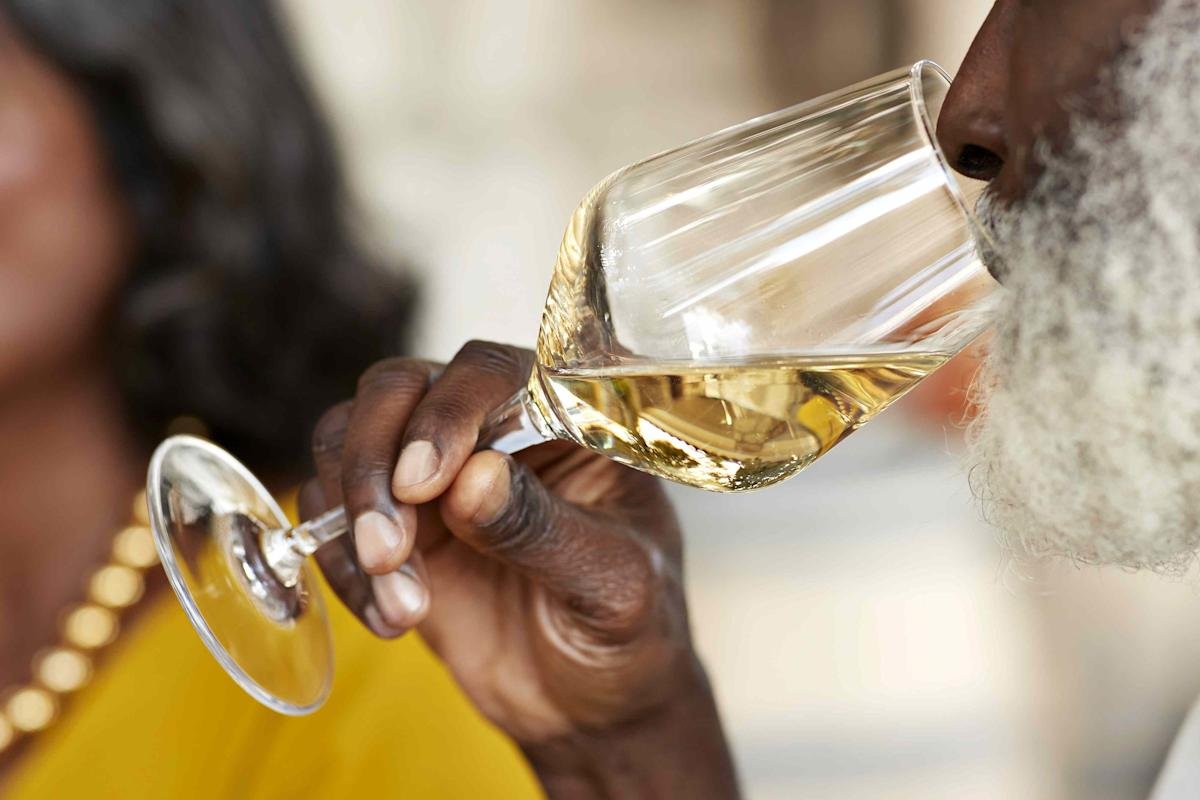
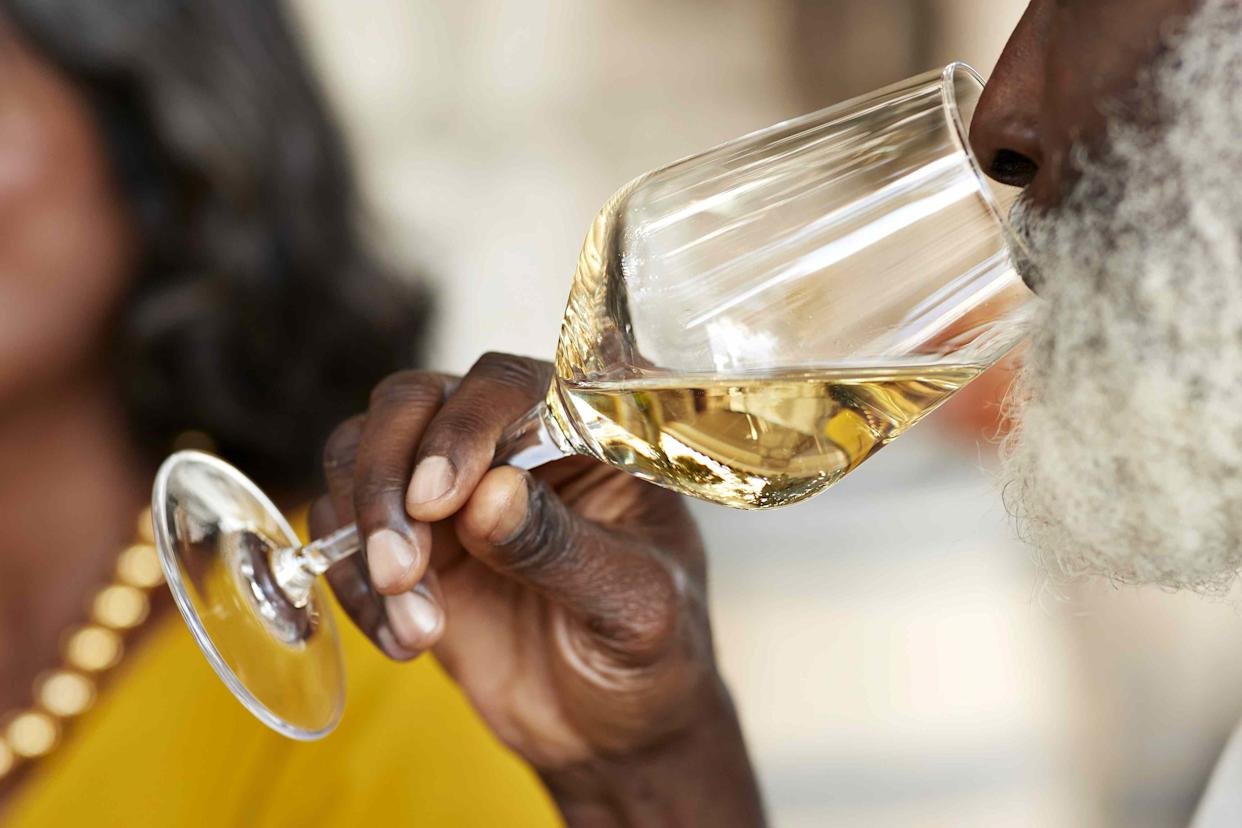
But here’s the trick seasoned tasters use (and casual drinkers should absolutely steal): always take two sips before you decide whether you actually like a wine or not.
The first sip is often a “setup sip.” It’s your palate getting oriented: temperature, texture, acidity, sweetness, alcohol, bubbles — your mouth is taking attendance. The second sip is where your actual opinion becomes clearer because your taste system has had a moment to adjust.
There’s real physiology behind this. Flavor isn’t just taste buds; it’s a collaboration between taste, smell, touch, and even pain receptors. When wine hits your mouth, you’re sensing basic tastes, like sweet, sour, bitter, salty, and umami. But you’re also feeling astringency (that drying sensation from tannins), heat from alcohol, and carbonation if it’s sparkling. Those sensations can be loud on a first sip, sometimes even louder than the fruit, floral, or spice notes you’re trying to detect. That first splash around acts as a necessary introduction for calibration.
Then there’s the aroma, which surprisingly does a huge amount of the taste work. Much of what is perceived as “taste” is actually retronasal smell, or aromas that travel from the back of your mouth up into your nasal cavity as you swallow and breathe out. This is why folks do all that slurping when wine tasting.
Related: The Secret to Smelling Wine Like a Pro? Use the Three-Tier Aroma System
On a first sip, especially if you’re chatting, distracted, or you haven’t really breathed through the wine yet, you may not be getting the full aromatic picture, which ultimately affects the impression of taste. The second sip is usually when you naturally pay a little more attention, and your brain has more information to assemble and assess what you’re experiencing.
Even your saliva matters. Tannins bind with proteins in saliva, which is part of why a red wine can feel drying at first. After that initial interaction, the mouthfeel can register differently, and the wine may seem smoother or more integrated on sip two. Acidity can also feel less sharp once your palate is calibrated and “awake,” and subtle sweetness or fruit can then better come forward, too.
In a restaurant, the two-sip rule is your best friend because that first taste is often more about conditions than quality. The wine may be colder than it will be in five minutes, your mouth might still be coated in bread, salad dressing, or whatever else you just sipped (sparkling water, soda, a cocktail), and your brain is basically just doing a quick scan for flaws or off flavors. After a small breath out through your nose, take a second sip and ask yourself whether the wine feels more balanced and inviting once your palate has level set.
Related: How to Behave at a Winery, According to the Professionals
In a tasting room, where you’re likely to be moving quickly and trying multiple wines back-to-back, the same technique keeps you from writing off a bottle just because it followed something bigger, sweeter, more acidic, or tannic. Sip once to reset your palate and notice general structure, then sip again to catch the flavors and finish once your saliva and taste receptors have adjusted.
Practically speaking, the two-sip rule saves good wines from unfair verdicts. That crisp Sauvignon Blanc that seemed aggressive might become refreshingly zippy. That young Cabernet that felt like sandpaper might reveal dark fruit and cocoa once your mouth adjusts. And sometimes, the second sip only confirms your first impression; if it still tastes unbalanced, cloying, harsh, or simply not your style, you can move on with confidence.
If you still don’t want a third sip, that’s your answer, but it’s the second sip which makes it a fair verdict.
Read the original article on Food & Wine