
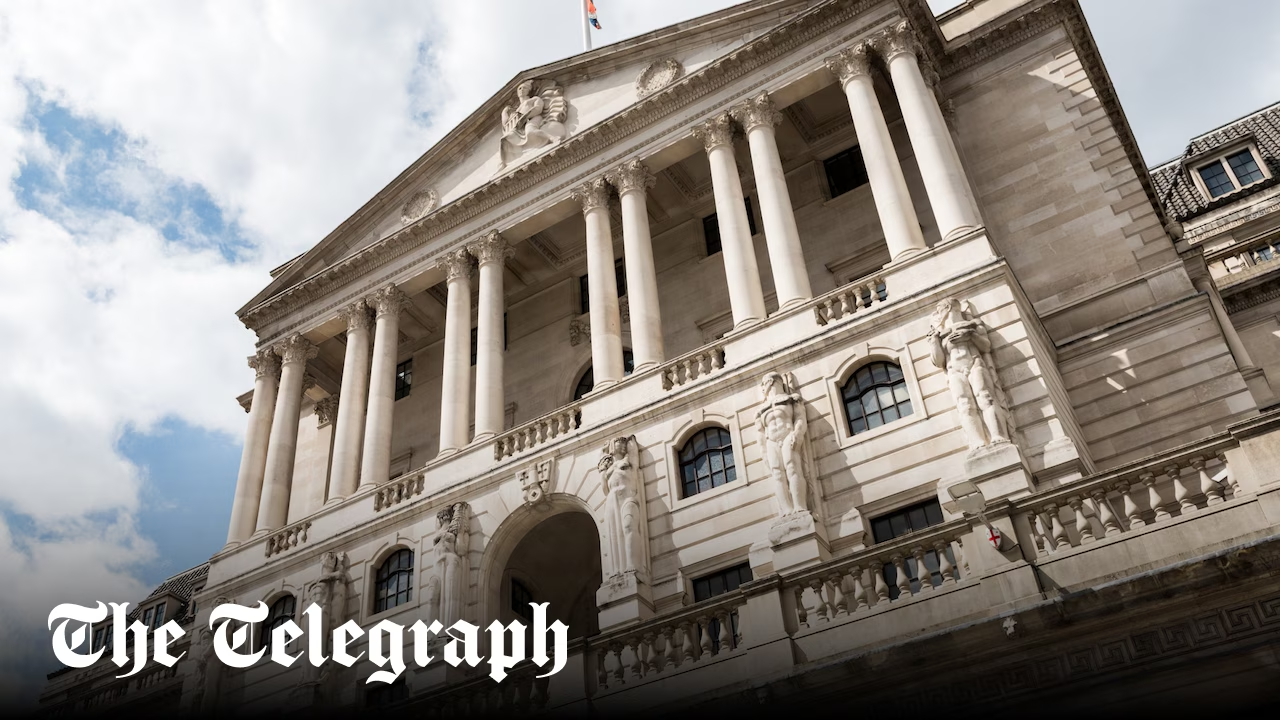
The Bank of England’s controversial decision to sell off UK debt has cost taxpayers £36bn in just four years, according to new figures.
Deutsche Bank said Threadneedle Street’s decision to actively sell government bonds, rather than letting them simply mature, meant taxpayers faced much heavier short-term losses.
The move threatens to add to Britain’s debt pile, which is on course to hit £3tn by September. Economists said Rachel Reeves, the Chancellor, would be spared from transferring billions of pounds to the Bank if it stopped actively selling gilts, amid a dramatic drop in bond prices.
Deutsche Bank’s figures will fuel a growing political backlash against the Bank regarding its so-called quantitative tightening policy, amid mounting concern about the state of Britain’s public finances.
Prominent economists have warned that the rapidly rising public debt means Labour could be forced to seek help from the International Monetary Fund to repair the nation’s finances.
The Bank is gradually reducing the £875bn stockpile of gilts, as UK government bonds are known, that it amassed to prop up the economy during the financial crisis and Covid lockdowns.
While central banks around the world are pursuing a similar policy, most simply let bonds mature and then do not reinvest the money.
The Bank is the only major central bank to actively sell bonds before they mature, immediately crystallising billions of pounds of losses for the taxpayer.
Deutsche said the central bank was selling gilts back to investors at a discount of up to 50pc. This is because higher inflation and growing political uncertainty have driven up yields, in turn driving down prices.
Yields on long-term UK debt have hit the highest levels since 1998, pushing losses on bonds with maturities above 20 years to about £22bn alone since the Bank sales began in 2022.
Losses from sales of short-term bonds of up to seven years have amounted to £5.6bn, while sales of gilts with a maturity of up to 20 years are roughly £8bn, according to Deutsche Bank.