
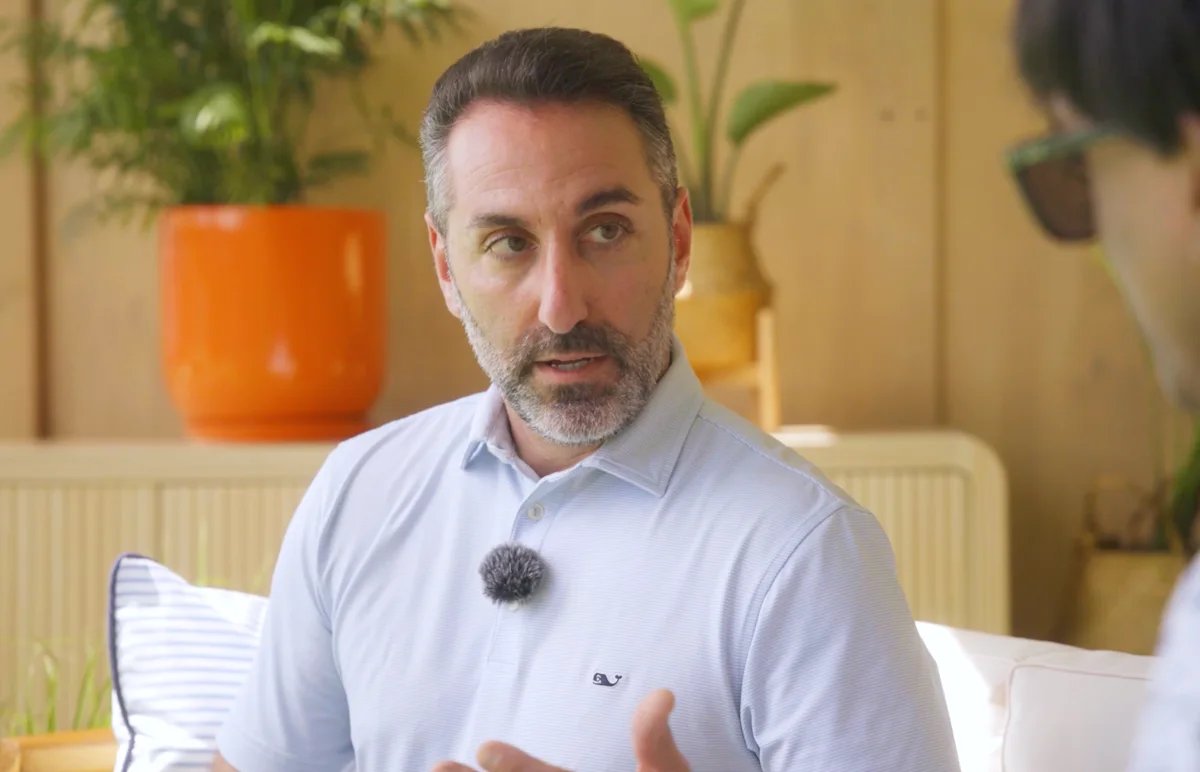

Mid-September, MSCI released it’s first ETF Intelligence Survey and Paul Riccardella, CFA, CAIA, Head of Indexed Investing Coverage & Wealth Segment Lead for the Americas at MSCI, sat down with ETF.com’s Sumit Roy at the ETF Oasis at Future Proof to talk about some of the findings. From advisor opinions on active management and ETFs to private markets, the survey touched on some of the biggest trends this year. The following is a transcript of their conversation.
MSCI’s 2026 ETF Intelligence Report
Sumit Roy: Paul, how are you doing? Great to see you.
Paul Riccardella: I’m doing all right, Sumit. Nice to meet you. Nice to be here.
Sumit Roy: Absolutely. So, the big news this week, MSCI launched their first ever ETF Intelligence Survey. Can you tell us what this survey was designed to capture?
Paul Riccardella: Ultimately it’s a survey of 450 wealth managers, professional ETF investors. And we wanted to understand how they’re thinking about the market. We live in a world now where there’s 5500 ETFs in the United States alone. There’s more active ETFs than indexed ETFs. And we were just looking for some underlying data to understand what’s important to these wealth managers and professional ETF investors, and where they want to see product proliferation in the future.
Sumit Roy: Well, awesome. That’s right up our alley. What were some of the key findings?
Paul Riccardella: There were a few things that I would focus on. First, clearly a ton of interest in active ETFs, and I think everyone knows that based on the pace of launch. When you go a level deeper on that, what we found are that the spaces that they like the most for active ETFs are thematic types of exposures, and then emerging markets came in really strongly.
And in addition to that, there’s some real brand loyalty to active managers. I believe 58% of survey respondents said that they would prefer an ETF in their current mutual fund strategies that they have, but are willing to redeem those strategies and move elsewhere if a comparable active ETF by the same manager isn’t available. So I think it’s really an opportunity for active managers to make sure that they offer their strategies in what is now clearly the preferred commingled vehicle.
Sumit Roy: It’s interesting. One thing that caught my eye is advisors are interested in accessing private markets through ETFs. But there’s still a little bit of skepticism. Isn’t that right?
Paul Riccardella: That is right. It’s an inherently illiquid asset class in really the world’s most liquid wrapper. And there’s a mismatch there. And I think advisors clearly understand that. Now at MSCI we have a very robust private capital solutions business, a very unique data set to measure private capital exposures. And part of the bridge that we’ve built is modeling that private capital universe in a public equity long/short index That’s been a pretty innovative solution that helps bridge the divide and allay some of that skepticism. But ultimately, if you’re talking about traditional private investments, yes, I think the wealth management and professional ETF evaluator community is pretty aware of the mismatch.