
First published in Devex on 19 Nov 2026
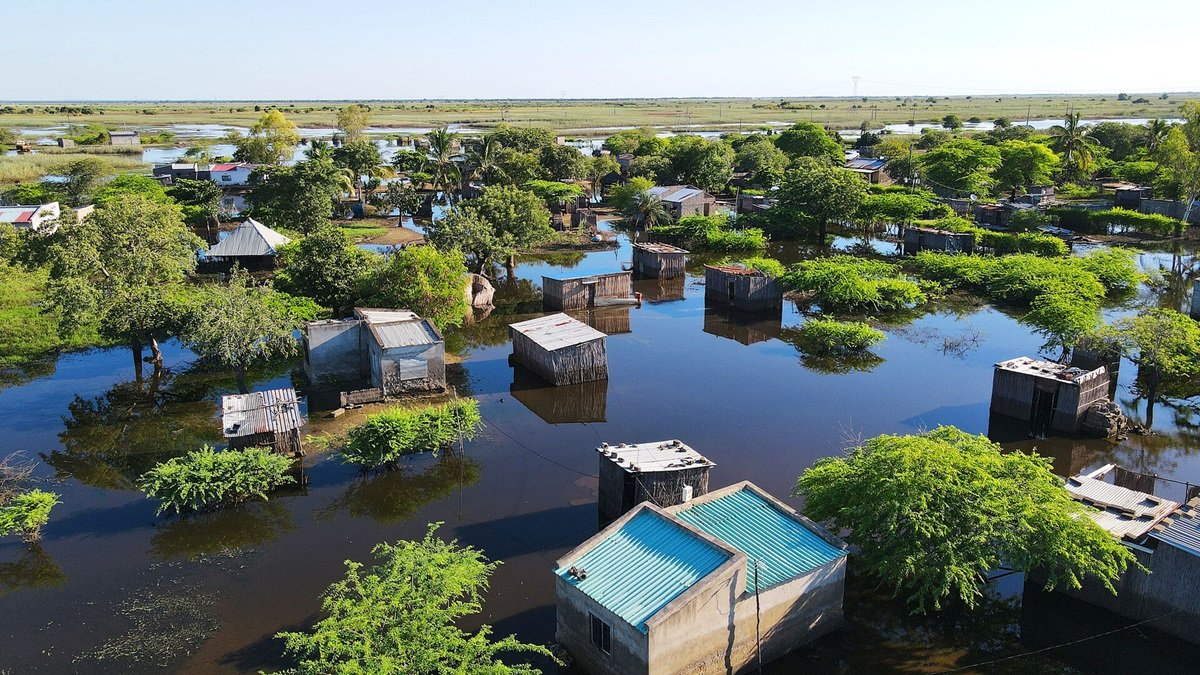
Record breaking temperatures, frequent devastating wildfires, spreading toxic pollution, and continuing deadly floods are not normal. Yet the climate extremes of 2026 would have you believe otherwise.
Headlines focus on the cost of damaged infrastructure and destroyed property, but what of the cost in human lives and human health? Injury from extreme weather, infectious disease outbreaks, and even mental distress from watching the world suffer all carry a price, paid in hospital admissions, loss of income, and lives cut short. Count those costs and governments are hemorrhaging money. That means the measures that protect people’s health from climate change are among the best investments a government can make.
As former government leaders who now head two global health institutions, we have seen how a warming climate is already costing lives, and how much can be saved by acting early. That is what we mean by climate-health actions: practical steps that protect people from the health risks of climate change, from warnings issued before a heat wave hits, to cleaner fuels for transport, to food systems that are both sustainable and nourishing.
Low‑ and middle‑income countries, contributing least to the crisis but suffering more from its impacts, stand to gain the most. Like vaccination and early childhood education, climate-health actions belong among the essential public investments that protect welfare, expand opportunity, and improve equity.
Climate change’s toll on people’s health and the economy
The climate in 2026, supercharged by El Niño, is bringing severe new risks, such as extreme weather events, heat, sea-level rise, air pollution, water scarcity, reduced food production, and vectors that carry infectious diseases.
A record 710,000 deaths were linked to heat in 2023, according to the Lancet, more than 70% of them attributable to human-caused climate change. The World Health Organization estimates that air pollution, including from burning fossil fuels, killed 6.6 million people globally in 2021 through cardiovascular and respiratory disease and cancers.
Looking into the future, the World Bank forecasts that climate change will cause up to 15 million deaths in 69 low- and middle-income countries between 2024 and 2050, due to extreme heat, diseases spread by mosquitoes and dirty water, and childhood stunting. The economic impact of climate change is already apparent: the cost of illness, injury, and death is large and growing. The bill: between $8.6 trillion and $20.8 trillion by 2050.
Health systems themselves are on the front lines. Floods, storms, and heat waves are increasingly straining and damaging healthcare facilities and other health infrastructure, including the water and sanitation systems they depend on. Under a high‑emissions scenario, 1 in 12 hospitals worldwide could face partial or total shutdown from extreme weather by the end of the century.
Yet, here lies the opportunity. If we apply long-term economic thinking, we will see that protecting people’s health from climate change is a prime investment, not a cost. Policies that keep people alive and well also keep them working, learning, and spending. Short-term economics is not a sensible argument against them.
The investment case
A WHO report, released ahead of the 31st meeting of the Conference of the Parties to the United Nations Framework Convention on Climate Change — COP31 — makes the clear economic case for putting health at the heart of climate action. It finds that six practical measures, if adopted globally, could save 1.6 million lives every year while cutting emissions and delivering trillions of dollars in economic benefits.
The measures range from early warning systems for extreme heat and access to safe drinking water, sanitation, and hygiene, to cleaner cooking and heating technologies. They also include reforming fossil fuel prices to reflect the environmental and health damage these fuels cause.
Together, these measures could prevent 16.7 billion metric tons of greenhouse gas emissions annually and generate approximately $4 trillion in economic benefits, alongside $5 trillion in additional government revenue and savings. For the five measures where costs could be calculated, every $1 invested could generate $24 in benefits. Few public investments offer such returns.
Reforming fossil fuel pricing would deliver the largest overall gains. Removing inefficient subsidies and taxing fossil fuels to better reflect their true costs could prevent 1.2 million deaths annually — three-quarters of the lives saved across all six measures — while generating $3 trillion in economic benefits.
Governments in 170 countries spent $725 billion in 2024 explicitly subsidizing fossil fuels, according to estimates by the International Monetary Fund, while the resulting total harm and damage to health, environment, and economies amounted to $6.7 trillion. In other words, we are paying twice: once to make fossil fuels more available, and again for the harm they cause.
Moving to pricing fossil fuels honestly, by removing subsidies and taxing them in line with the impacts they cause, will strengthen public finances, improve public health, and cut emissions.
COP31 in Antalya, Turkey, provides the opportunity for health and economic leaders to make the economic case for proven climate-health actions. The economic case for putting health at the heart of climate policy is clear, and can now be backed up with this latest WHO report.
We urge countries to act on this evidence. More than 100 countries are now partnering under the Alliance for Transformative Action on Climate and Health, which is committed to scaling up climate-health actions by translating economic evidence into national policy and practice. Some will ask if these measures are affordable in an era of tight budgets. A more pertinent question is whether countries can afford the large, and growing, cost of doing nothing.
Healthier populations, a stable climate, and stronger economies are not competing priorities. All rely on the same investment, one that is available at a price the world can afford, and with a return it cannot sensibly ignore.