
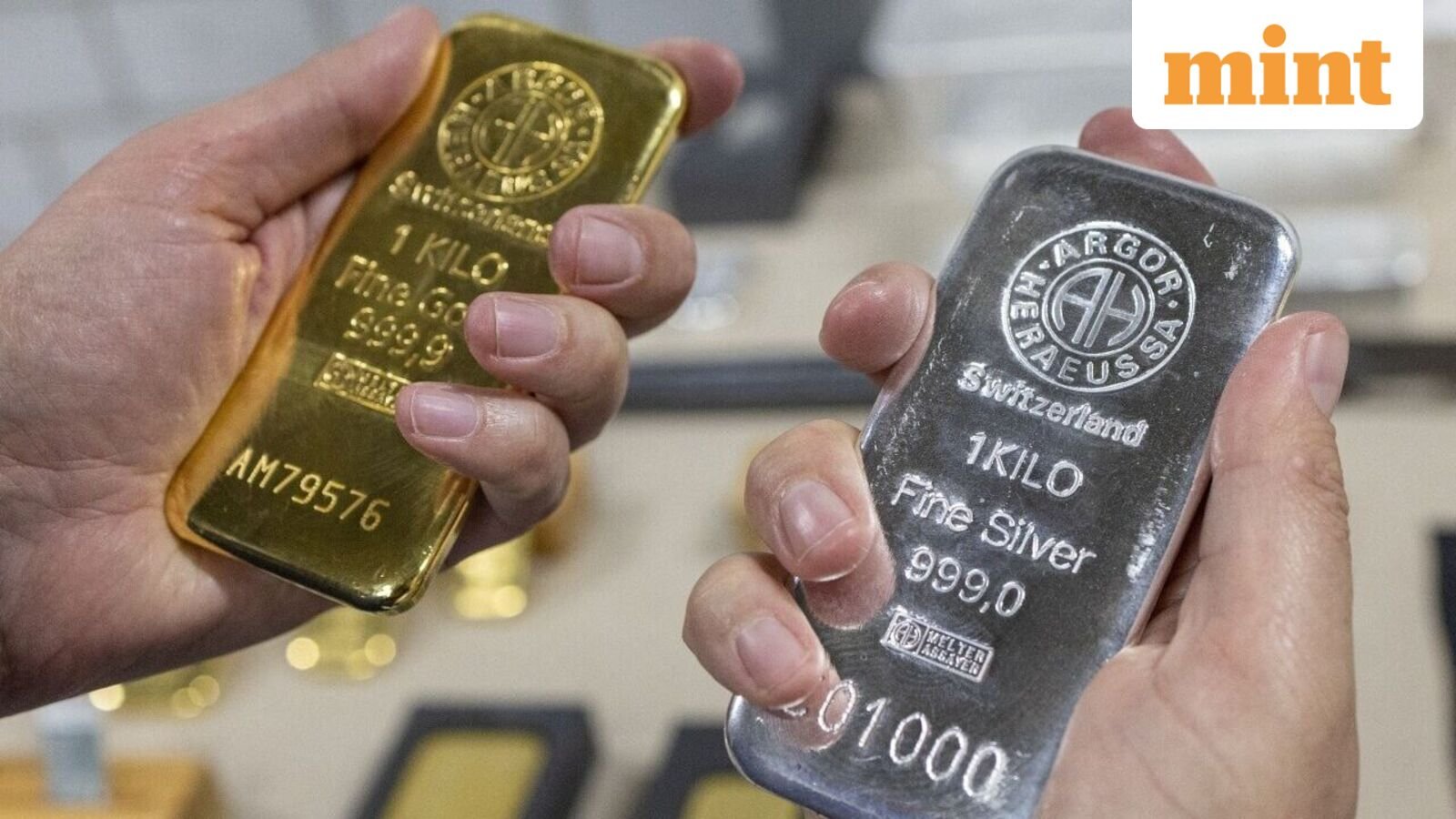
India’s market regulator, the Securities and Exchange Board of India (SEBI), has introduced a significant change in how mutual funds value physical gold and silver held in exchange-traded funds (ETFs).
The new framework aims to align pricing more closely with domestic market conditions, improve transparency, and standardise valuation practices across fund houses. The revised norms will come into effect from 1 April 2026and are expected to directly impact gold and silver ETFs, as well as mutual fund schemes that hold physical bullion.
Niranjan Avasthi, Senior Vice President, Edelweiss MF, explained in a recent post on X: “Another important circular from SEBI on how gold and silver will be valued in ETFs. Till date, ETFs used (sic) London Bullion Market Association (LBMA) gold and silver prices converted into domestic prices after adjusting for currency and import duties. These often differed from actual Indian market prices due to local premiums or discounts. Some ETFs used to account for this difference; some didn’t.”
Here’s a breakdown of what investors need to know.
1. What Has SEBI Changed?
SEBI has modified the valuation methodology for physical gold and silver held by mutual fund schemes, including Gold and Silver ETFs. Until now, fund houses have relied on international benchmark prices for valuation.
Going forward, valuation will shift toward domestically published pooled spot prices from recognised stock exchanges. The move is designed to align pricing with Indian market realities and ensure greater uniformity in how asset managers determine daily net asset values (NAVs) for bullion-backed schemes.
2. How Gold Was Valued Earlier
Previously, physical gold and silver held by ETFs were valued using the London Bullion Market Association (LBMA) AM fixing prices. These international benchmark prices were then adjusted for currency conversion, transportation costs, customs duties, applicable taxes, levies, and notional premiums or discounts to arrive at a domestic valuation. While globally accepted, this method relied heavily on overseas reference points and multiple adjustments, which sometimes created variations in final pricing across schemes.
“Now, valuation of underlying gold and silver in ETFs will be based on the polled spot price published by a recognised domestic exchange, currently provided by the Multi-Commodity Exchange of India (MCX) and some others.
This will ensure uniform valuation across ETFs and aligns pricing more closely with actual domestic market prices. This is a strong step towards greater accuracy. ETF NAV returns for all ETFs will now be closer to each other, subject to TD,” added Avasthi in the post on X.
3. New Valuation Framework
Under the updated rules, mutual funds must use pooled spot prices published by recognised Indian stock exchanges for valuing physical gold and silver. These prices are derived from actual market activity and settlement mechanisms for physically delivered gold and silver derivatives contracts.
Since stock exchanges operate under strict regulatory oversight, SEBI believes this approach will produce valuations that better reflect prevailing domestic market conditions and ensure consistency across mutual fund schemes.
4. Effective Date Matters
The new norms will come into force from 1 April 2026. From that date onward, mutual funds must comply with the updated valuation approach as specified under the SEBI (Mutual Funds) Regulations, 2026. The changes are linked to Regulations 22(9) and 63(9), as well as the investment valuation norms outlined in the Seventh Schedule of the regulations. This provides a formal regulatory backbone to the revised pricing mechanism.
5. Uniform Policy Coming Soon
Moreover, SEBI has stated that the Association of Mutual Funds in India (AMFI) will, in consultation with the regulator, lay down a uniform policy for implementing the new valuation system. This ensures that all asset management companies follow a consistent methodology. The spot polling mechanism itself must comply with guidelines prescribed by SEBI from time to time, reinforcing standardisation and regulatory clarity.
6. Why This Is Important
For investors in gold and silver ETFs, valuation transparency directly impacts NAV calculation. By shifting to exchange-published spot prices within India, SEBI aims to reduce ambiguity, align valuations with local supply and demand dynamics, and strengthen investor confidence. While the underlying bullion remains the same, the pricing benchmark becomes more domestically anchored, potentially leading to more predictable and standardised NAV movements.
7. Investor Impact Explained
The change does not alter the amount of gold or silver an ETF holds, nor does it affect the product’s structure. Instead, it refines how the value of that bullion is calculated daily. However, over time, this could improve comparability between schemes and minimise discrepancies caused by varied adjustment assumptions. For retail investors, the update represents a technical but meaningful shift toward greater transparency in bullion-backed mutual fund products.
Disclaimer: The views and recommendations made above are those of individual analysts or broking companies, and not of Mint. We advise investors to check with certified experts before making any investment decisions.