
Unlock the White House Watch newsletter for free
Your guide to what Trump’s second term means for Washington, business and the world
The Trump administration on Monday took its first step in opening the more than $10tn US retirement marketplace to complex and illiquid private markets deals such as corporate takeovers and direct loans, as it pushes forward with an executive order issued by the president last summer.
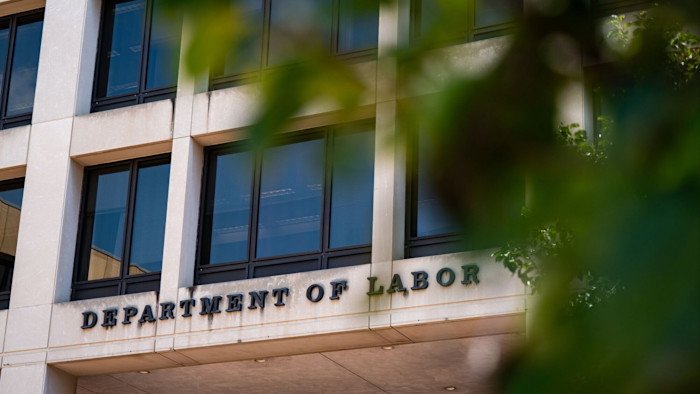
The Department of Labor, a US agency that oversees the regulation of US retirement plans such as popular tax-deferred 401k savings accounts, said on Monday it would offer administrators of retirement plans like large asset managers a “process-based safe harbour” when selecting alternative investment options for ordinary savers so long as they considered factors to safeguard investors.
The new rule could help open savings plans to private equity deals and private credit loans. However, it comes amid turmoil in private markets as buyout deals have struggled to exit a $4tn stockpile of investments and reported lacklustre returns, while private credit funds for wealthy individuals have seen a recent explosion of redemption requests that has forced some funds to restrict withdrawals.
Wealthy individuals who had ploughed more than $200bn into private debt funds over the past decade have sought to pull over $13bn in recent months due to fears of falling returns and rising loan defaults, causing some managers to implement withdrawal limits that are features of such funds to avoid the risk of fireselling assets
Nonetheless, the partial “gates” have spooked investors. Shares in Blackstone, Blue Owl, Ares, Apollo and KKR that manage large funds for wealthy investors have all fallen over 15 per cent this year.
Individual retirement savings plans, which currently manage more than $10tn in assets in the US, have almost no exposure to unlisted assets and instead are composed mostly of publicly traded bond funds, mutual funds and broad index funds. While there has been no explicit rule against offering private investments in such investment accounts, managers of 401k plans have been reluctant to do so out of fear of being sued.
The safe harbour proposed by the DoL could defray some of these litigation fears, accelerating the push of private assets into the savings of millions of ordinary Americans. The DoL said its proposed regulation would offer a safe harbour if managers of retirement plans considered six key risk factors such as the performance of funds, their costs and their ability to sell assets to meet withdrawals. Other factors include funds’ valuation practices and their complexity.
Large asset managers such as BlackRock, Partners Group and industry lobbying groups told the FT they applauded the new rules. “BlackRock supports this and other policy initiatives that thoughtfully expand access to investments historically out of reach, enhance diversification, and improve long-term outcomes,” said Martin Small, chief financial officer of BlackRock, the world’s largest asset manager.
The Trump administration is asking plans to study funds’ ability to sell assets and meet investors’ oftentimes significant liquidity needs, for instance, if a saver retires or falls into financial hardship. Plans must show a “prudent process” in considering this risk and the factors that are part of its safe harbour.
The rulemaking, long awaited on Wall Street due to the potential to open products to trillions of dollars in new assets, was slow to be released. Some industry experts told the FT that they worried recent turmoil in private markets would cause a delay to its release.
Adding to industry fears, last month, US Treasury secretary Scott Bessent warned about “rotten” private equity entering ordinary 401k retirement accounts. But Bessent ultimately signed off on Monday’s ruling.
An administration official said Bessent had been engaged in the rulemaking throughout months of deliberations and that some recommendations did respond to recent turmoil in private markets.
The rule asks for a more detailed process for valuing private assets without a recognisable trading price, like a private loan, in response to investor fears about credit valuations, said the person. It also excludes so-called continuation funds, where a private equity firm sells assets between funds it manages, from the safe harbour due to the inherent conflicts in the deals.
“This proposed rule is an initial step in implementing the president’s executive order in a safe and smart manner, broadening access to additional retirement plan options for millions of Americans while being mindful of the importance of protecting retirement assets,” said Bessent in a press release.
“Our goal is to deliver on President Trump’s promise for a new golden age by fostering a retirement system that allows more Americans to retire with dignity,” said US secretary of labour Lori Chavez-DeRemer.
Senator Elizabeth Warren, a prominent critic of the finance industry, criticised the rule and effort to open retirements to private assets.
“As cracks emerge in the private credit market, private equity returns fall to 16-year lows, and crypto keeps tumbling, President Trump has decided now is the time to stick all of these risky assets into Americans’ 401(k)s,” she said.
Additional reporting by Alex Rogers in Washington