
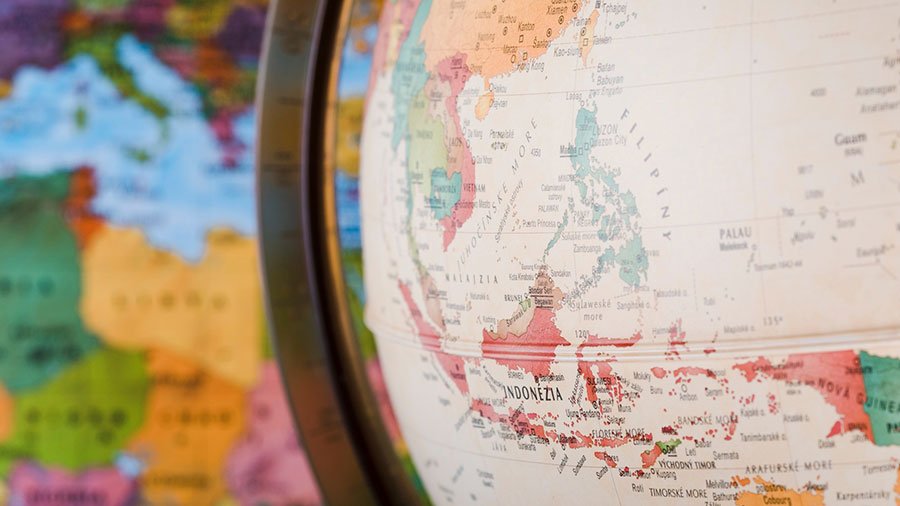
Canada’s economic engagement with Southeast Asia has entered a new phase, driven by its Indo-Pacific Strategy and the growing dynamism of ASEAN markets. As one of the world’s fastest-growing regional blocs, ASEAN offers Canadian investors a compelling mix of demographic strength, market diversity, and economic integration.
With a combined GDP of over US$3.9 trillion and a population exceeding 680 million, the region presents growing opportunities for Canadian firms seeking to diversify beyond traditional markets.
Investment flows from Canada into ASEAN have expanded steadily in recent years, supported by stronger institutional ties and rising interest in sectors such as clean energy, agri-tech, and advanced manufacturing. Understanding where these investments are going — and how Canadian companies are approaching market entry — is essential for businesses looking to establish or expand their presence in the region.
Where Canadian investments are flowing in ASEAN
As of 2023, Canada’s stock of foreign direct investment (FDI) in ASEAN reached approximately US$25.9 billion, placing it among the top five external investors in the region. While investment flows are present across multiple ASEAN countries, four key markets — Indonesia, Singapore, Vietnam, and the Philippines — stand out for their documented Canadian investment activity in recent years.
Indonesia
Canadian investments in Indonesia have been particularly active in mining, infrastructure, and the digital economy. In 2024 alone, Canadian investment in the country reached an estimated US$490 million across 1,671 projects, marking a nearly 37 percent increase compared to the previous year.
Find Business Support

A major development included Vale Canada’s sale of a 14 percent stake in its Indonesian subsidiary, Vale Indonesia, to state-owned MIND ID for approximately US$160 million, supporting the government’s push for local ownership in critical mineral sectors.
Canadian development finance is also playing a role: FinDev Canada has partnered with Indonesia Infrastructure Finance to boost sustainable infrastructure investments. In addition, Canadian companies are engaging in Indonesia’s growing digital sectors, including fintech and smart infrastructure, aligning with the country’s ambition to become a regional digital powerhouse.
Singapore
Singapore remains Canada’s primary investment gateway into Southeast Asia. Canadian firms use the city-state as a legal, financial, and operational base for managing regional assets. Institutional investors, particularly pension funds such as the Canada Pension Plan Investment Board (CPPIB), continue to use Singapore as their hub for infrastructure and real estate exposure across ASEAN. In 2024, CPPIB participated in an investment round in Arrowpoint Investment Partners, a Singapore-headquartered hedge fund. Other investors, including Brookfield Asset Management, maintain strong portfolios in the region from their Singapore offices.
While Canada’s manufacturing footprint in Singapore is limited, its role in financial services, legal structuring, and regional coordination remains critical.
Vietnam
Vietnam is another priority destination for Canadian investment, especially in clean energy, agriculture, and education. As of 2023, Canada ranked as the 14th largest foreign investor in the country, with 247 projects valued at over US$4.82 billion. Canada is a participating partner in Vietnam’s Just Energy Transition Partnership (JETP), a US$15.5 billion multilateral financing agreement that supports the country’s goal of phasing out coal and achieving 30 percent renewable energy by 2030 and 67.5 percent by 2050.
In education, collaboration has accelerated: in 2023, 21 Canadian universities joined the Canada–Vietnam Education and Research Partnership Mission, with institutions such as King’s University College signing memoranda of understanding with Vietnamese counterparts to expand academic exchange and joint research initiatives.
Philippines
In the Philippines, Canadian businesses have expanded in sectors such as enterprise software, financial technology, and aviation. OpenText, a Canadian enterprise software company, launched a global innovation center in the Philippines, employing approximately 1,500 full-time staff. Meanwhile, Lydia AI, a Canadian insurtech startup, received investment from the Philippines’ Kickstart Ventures to help scale health insurance accessibility in Southeast Asia.
The growing ties are also reflected in Air Canada’s launch of direct flights from Vancouver to Manila, scheduled to begin in April 2025. Despite promising potential in the mining sector, concerns have been raised by Canadian diplomatic officials about regulatory unpredictability affecting long-term investor confidence.
Key Sectors for Canadian Investment
Energy security
Southeast Asia’s electricity demand is expected to grow by 4 percent annually through 2035, driven by rapid urbanization and rising energy use in residential and commercial sectors. While renewables are gaining ground, coal still comprises more than one-third of the region’s power generation. ASEAN nations face the dual challenge of ensuring a reliable energy supply while reducing long-term dependency on imported fuels. Canada’s experience in hydropower development, LNG export infrastructure, smart grid systems, and energy storage offers strong alignment with these needs.
With the region’s clean energy investment gap exceeding US$120 billion annually, Canadian companies can contribute both technologies and financing models to strengthen ASEAN’s energy resilience.
Sustainable agriculture and agri-tech
Agriculture remains a vital sector across ASEAN, but productivity growth is being tested by climate risks and rising input costs. In 2023, the region produced over 202 million tonnes of rice, yet several governments have flagged food security as a strategic priority. There is a rising demand for modern farming inputs, precision irrigation, and cold chain systems. Canadian companies bring value through climate-resilient crop solutions, post-harvest technologies, and logistics systems that reduce spoilage and enhance export readiness.
Partnerships in value-added food processing, agri-fintech, and sustainable certification also offer high potential, particularly in mid-sized economies transitioning to semi-commercial agricultural models.
Digital infrastructure and fintech
ASEAN’s digital economy is projected to exceed US$1 trillion by 2030, underpinned by rapid internet adoption, mobile-first consumers, and active government support for digital transformation. Several major tech firms have already announced multi-billion-dollar data center and cloud infrastructure investments across the region in 2024. This momentum is opening doors for Canadian companies that provide secure, scalable digital platforms. Opportunities span e-government, identity verification, open finance, and cybersecurity architecture.
ASEAN’s interest in digital trade interoperability and AI governance creates space for Canadian firms to contribute regulatory expertise and next-generation digital tools.
Higher education and technical training
As ASEAN shifts toward high-value industries, the demand for skilled labor in areas like engineering, green energy, and applied technology is intensifying. Regional programs such as the €9.3 million SCOPE initiative are facilitating student mobility and institutional partnerships across member states. Canadian universities and colleges can expand their presence through transnational education programs, dual degrees, and customized technical training aligned with local industry needs.
ASEAN’s workforce development plans are increasingly geared toward long-term sustainability and digital readiness — two areas where Canadian academic institutions have a strong global reputation.
Urban development and infrastructure resilience
Urbanization across ASEAN is advancing at a rapid pace, with infrastructure needs estimated at US$1.7 trillion per year across Asia. Mid-sized cities in Indonesia, Vietnam, and the Philippines are prioritizing climate-resilient infrastructure and public transit systems. A notable example is the ASEAN Infrastructure Fund’s 2023 investment in a modern green bus system for Davao City, Philippines. Canada’s capabilities in smart city planning, water and waste systems, and sustainable construction offer relevant and export-ready solutions.
Strategic investment approaches
Canadian investors are taking a variety of approaches to succeed in ASEAN’s diverse regulatory and commercial landscape. Many firms pursue direct investments or joint ventures with local partners to ease market entry and build credibility. In sectors such as renewable energy, digital services, and education, greenfield investments are common where technology transfer and institutional standards matter. Others pursue mergers and acquisitions to scale operations and access talent or networks rapidly.
Canada’s institutional investors, particularly its pension funds, remain active in infrastructure and real estate, with most of their ASEAN exposure managed out of Singapore. Government support mechanisms through Global Affairs Canada, Export Development Canada (EDC), and the Canada–ASEAN Business Council provide added risk mitigation and market intelligence.
Cross-cutting regional trends
ASEAN’s dual emphasis on green transformation and digital connectivity makes it highly compatible with Canada’s commercial strengths. Countries across the bloc are realigning supply chains, upgrading education systems, and increasing regional integration through the ASEAN Economic Community and emerging digital trade frameworks. These shifts support higher-quality investment partnerships and reduce some of the structural barriers that previously deterred long-term foreign capital.
About Us
ASEAN Briefing is one of five regional publications under the Asia Briefing brand. It is supported by Dezan Shira & Associates, a pan-Asia, multi-disciplinary professional services firm that assists foreign investors throughout Asia, including through offices in Jakarta, Indonesia; Singapore; Hanoi, Ho Chi Minh City, and Da Nang in Vietnam; besides our practices in China, Hong Kong SAR, India, Italy, Germany, and USA. We also have partner firms in Malaysia, Bangladesh, the Philippines, Thailand, and Australia.
Please contact us at asean@dezshira.com or visit our website at www.dezshira.com and for a complimentary subscription to ASEAN Briefing’s content products, please click here.