
Close Menu
Fund Focus News
    Facebook X (Twitter) Instagram
    Trending
    • Mutual fund inflows rebound: Flexi, Mid and Small-cap categories dominate March numbers – Money News
    • Child trust funds: a windfall at 18 – but what should you do next? | Child trust funds
    • Property investment in Yorkshire requires reliable access to data: Jonny Christie
    • REIT Mutual Funds: How They Generate Income, Benefits and Risks
    • AMFI Data March 2026: Net Equity Mutual Fund Inflows Surge 55% To Rs 40,366 Crore; AUM Falls | Markets News
    • ‘Mutual Funds Sahi Hai’ In Action! Flexi Caps Top Inflows, SIPs Hit Record High, Reveals AMFI March Data
    • Everyone’s Buying ETFs: Here’s What Retirement Savers Should Watch Out For
    • 3 Dividend ETFs with 25% Upside Over the Next Year, According to Wall Street Analysts
    Facebook X (Twitter) Instagram
    Fund Focus News
    • Home
    • Bonds
    • ETFs
    • Funds
    • Investments
    • Mutual Funds
    • Property Investments
    • SIP
    Fund Focus News
    Home»Investments»Eli Lilly not yet ready to unfreeze UK investments, says pharma boss
    Investments

    Eli Lilly not yet ready to unfreeze UK investments, says pharma boss

    December 3, 2025


    Stay informed with free updates

    Simply sign up to the Pharmaceuticals sector myFT Digest — delivered directly to your inbox.

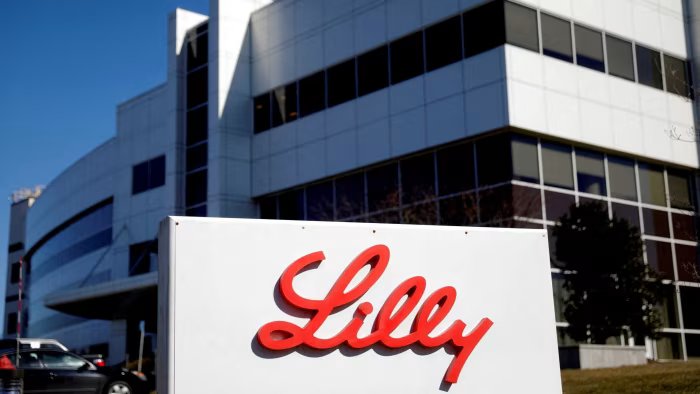
    American drugmaker Eli Lilly has said it will not restart paused investment in the UK until it sees changes to the types of drugs that are approved in Britain, despite a deal between the UK and US on drug pricing.

    Lilly’s chief executive David Ricks told the Financial Times the company was “optimistically watching and waiting” to see how Britain’s pledge to spend more on drugs and loosen medicine approvals worked in practice.

    “I would say the trajectory before was definitely downward and now there’s optimism that it’s going upward and that’s an important thing for your country,” Ricks said.

    However, he added that there was “no change today in our business environment, therefore we’ve not made a change in those decisions we’ve paused . . . Hopefully we can observe change quickly, both in drug approval and in rollout.”

    On Monday, the US and UK agreed that London would increase NHS spending on medicines and make it easier for costly drugs to gain approval in return for a carve-out from import tariffs threatened by US President Donald Trump.

    The deal came after several large pharmaceutical companies paused or scrapped investment in the UK, partly in protest at a clawback tax that limits how much money they can make selling into Britain’s state-run health service.

    David Ricks speaks, gesturing with one hand, during an event at the Economic Club of New York.
    Eli Lilly chief executive David Ricks: ‘Hopefully we can observe change quickly, both in drug approval and in rollout’ © Spencer Platt/Getty Images

    Lilly in September said it would pause its plans to invest in a laboratory site in central London, while Merck, known as MSD in Europe, announced in the same month it would move its research activity to existing sites, mainly in the US.

    “Every week we meet as a team and look at the global environment and make decisions. So that opportunity’s there every week,” Ricks said.

    He noted that in the UK, Lilly was awaiting approval for drugs including donanemab sold under the brand name Kisunla, which treats Alzheimer’s. “Where we’re really hoping to see change rather quickly is medicines for bad diseases like Alzheimer’s . . . getting approved,” Ricks said.

    Kisunla was approved last year by the Medicines and Healthcare products Regulatory Agency (MHRA), the UK’s drug regulator, meaning it can be sold in the country. Kisunla costs about $32,000 a year in the US.

    The National Institute for Health and Care Excellence (Nice), which decides which drugs are used by the NHS, has so far declined to recommend Kisunla, saying it does not provide enough value for money.

    Nice said in June that while Kisunla delayed the onset of moderate Alzheimer’s by four to six months, “the overall costs of purchasing and administering the drug remain high and the benefits too small”.

    The UK-US pharma deal requires London to increase the price level at which Nice views drugs and treatments to be cost-effective to between £25,000 and £35,000 per “quality-adjusted life year” (QALY) delivered to patients.

    The threshold has ranged between £20,000 and £30,000 since 1999. The UK has also agreed to reduce the clawback tax that pharma groups pay the NHS from 23 per cent to 15 per cent of revenues.

    Nice said on Tuesday that changes to the threshold used to determine the cost-effectiveness of drugs would allow it to recommend an additional three to five new medicines or indications a year.

    In return, Washington will exempt Britain from a 100 per cent tariff on branded medicine imports that Trump has threatened but not yet put in place.

    Ricks said the deal allowed pharmaceutical companies to “go to other countries and say, ‘You should also adapt your system. The UK is increasing its value innovation by 25 per cent. What are you gonna do?’”


    Source link

    Share. Facebook Twitter Pinterest LinkedIn Tumblr Telegram Email

    Related Posts

    Investments & Wealth Institute and AlphaScale Partner to Help Advisors Build Stronger, More Scalable Practices

    April 7, 2026

    What is National Savings & Investments? NS&I explained

    April 5, 2026

    Guggenheim Investments Announces April 2026 Closed-End Fund Distributions

    April 1, 2026
    Leave A Reply Cancel Reply

    Top Posts

    Premium Bonds for children: benefits and how to buy

    May 12, 2024

    The Shifting Landscape of Art Investment and the Rise of Accessibility: The London Art Exchange

    September 11, 2023

    Charlie Cobham: The Art Broker Extraordinaire Maximizing Returns for High Net Worth Clients

    February 12, 2024

    The Unyielding Resilience of the Art Market: A Historical and Contemporary Perspective

    November 19, 2023
    Don't Miss
    Mutual Funds

    Mutual fund inflows rebound: Flexi, Mid and Small-cap categories dominate March numbers – Money News

    April 11, 2026

    Retail investors appear to have stepped back into equities in March despite volatile markets, with…

    Child trust funds: a windfall at 18 – but what should you do next? | Child trust funds

    April 10, 2026

    Property investment in Yorkshire requires reliable access to data: Jonny Christie

    April 10, 2026

    REIT Mutual Funds: How They Generate Income, Benefits and Risks

    April 10, 2026
    Stay In Touch
    • Facebook
    • Twitter
    • Pinterest
    • Instagram
    • YouTube
    • Vimeo
    EDITOR'S PICK

    US bond yield drop suggests lower mortgage rates may be coming

    August 5, 2024

    These 9 Gold ETFs delivered nearly 27% return since last Diwali; check details

    October 29, 2024

    ‘Juiced out’ bonds pushing money elsewhere? – Academia

    October 20, 2025
    Our Picks

    Mutual fund inflows rebound: Flexi, Mid and Small-cap categories dominate March numbers – Money News

    April 11, 2026

    Child trust funds: a windfall at 18 – but what should you do next? | Child trust funds

    April 10, 2026

    Property investment in Yorkshire requires reliable access to data: Jonny Christie

    April 10, 2026
    Most Popular

    🔥Juve target Chukwuemeka, Inter raise funds, Elmas bid in play 🤑

    August 20, 2025

    💵 Libra responds after Flamengo takes legal action and ‘freezes’ funds

    September 26, 2025

    ₹10,000 monthly SIP in this mutual fund has grown to ₹1.52 crore in 22 years

    September 17, 2025
    © 2026 Fund Focus News
    • Get In Touch
    • Privacy Policy
    • Terms and Conditions

    Type above and press Enter to search. Press Esc to cancel.