

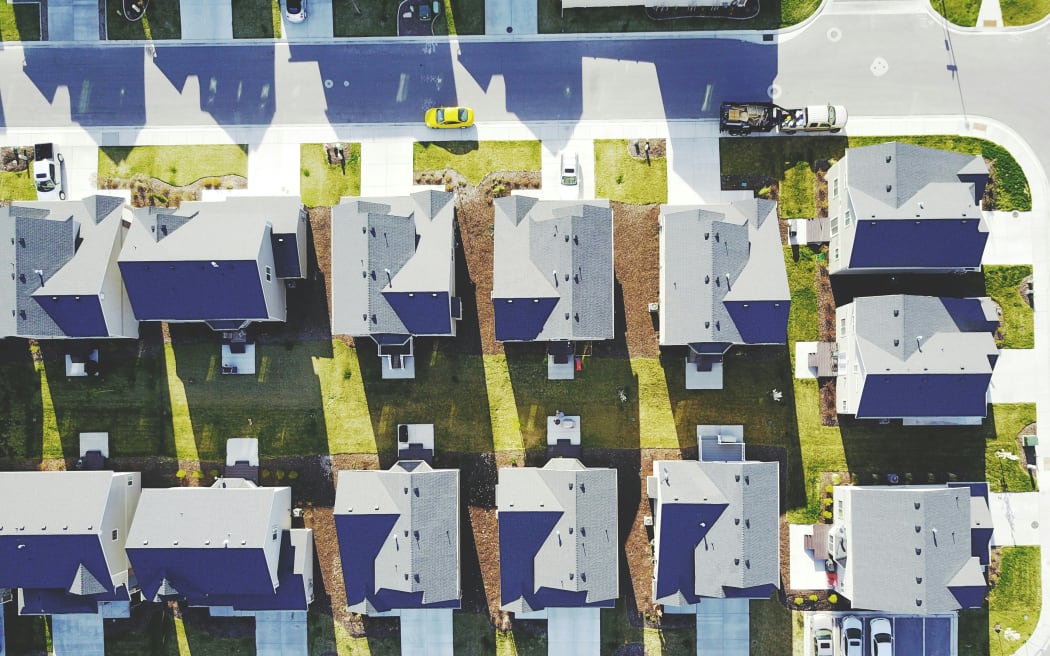
Photo: Unsplash / Blake Wheeler
New Zealand property investors have made $511 billion since 1991, one economist has estimated.
Ed McKnight, of Opes Partners, calculated the gains by using the Reserve Bank’s estimated value of housing stock, adjusted by Stats NZ’s home ownership rates.
Over 30 years, the combined value of New Zealand residential property increased by $1.5 trillion, of which investors benefited from about a third.
McKnight said that was likely to be similar to Australia’s experience of the past few decades.
“Property values have increased at a similar rate over the long term and have a similar rate of homeownership and investing. But it would likely be higher than the UK and the USA.
“Those countries have a similar homeownership and renter rate. But, house prices haven’t gone up as quickly. So less wealth would have been generated compared to New Zealand.”
He said although it was a rough estimate, it would give a sense of the scale of wealth that had been created by long-term property investment.
“It’s safe to say that it’s in the multi-hundreds of billions.”
Nick Goodall, head of research at CoreLogic, said the fact that values had increased so much over 33 years was staggering.
“That a third of that has been enjoyed by investors is not necessarily a surprise but certainly another way of illustrating the exceptional growth of the property market over that time and that investors have been a key part of that.”
Miles Workman, a senior economist at ANZ, said property was popular with New Zealand investors because it was easy to understand, and there had been a structural trend towards lower interest rates that had been associated with a trend higher in house prices.
“If you got into the property market at the right time in history, it’s been well publicised that people did pretty well out of that. The big question is whether it is still appropriate to assume those kinds of price rises can persist.”
He said house prices were stretched by affordability measures. ANZ expected limited growth in prices this year, followed by 4 percent in 2025 and 5 percent in 2026.
The historical average was closer to 6 percent, he said.
Workman said Australia had a larger share of its new lending for property going to investors – about twice the rate.
“Australia has similar affordability constraints that we do.”
The ability to leverage a property investment – borrowing most of the purchase price from a bank – made it a different prospect from most other investment classes, he said.
Policies had been tightened over the years against investors, he said, but investors were providing a service for people who could not afford to buy a house or did not want to. Having more rental supply would mean lower rent.
“You don’t want to discourage people from participating in that market, providing a rental service.
“At the same time there are affordability concerns. For a first-home buyer trying to get into the market, with an intergenerational equality lens, there’s a huge difference in how expensive housing is if you want to buy a first house now versus the 1980s.”
He said it remained possible that a future government would introduce a capital gains tax.
Infometrics chief economist Gareth Kiernan said people had seen property investment as a safer option than shares after the 1980s market crash.
But he said New Zealand’s heavy reliance on property was increasingly internationally unusual.
“More countries are looking to have some sort of tax on property to bring it more into an even playing field with other investments.”
He said property investment did not contribute anything in terms of growing the economy or improving productivity.
“If we were investing in companies that were growing businesses … you could arguably see better performance long-term in the economy, but we play this game where we put money into property on the understanding some other sucker will buy it from us in future for more than we paid for it.
“From an individual perspective, it makes perfect sense. Economy-wise, it’s suboptimal.”