
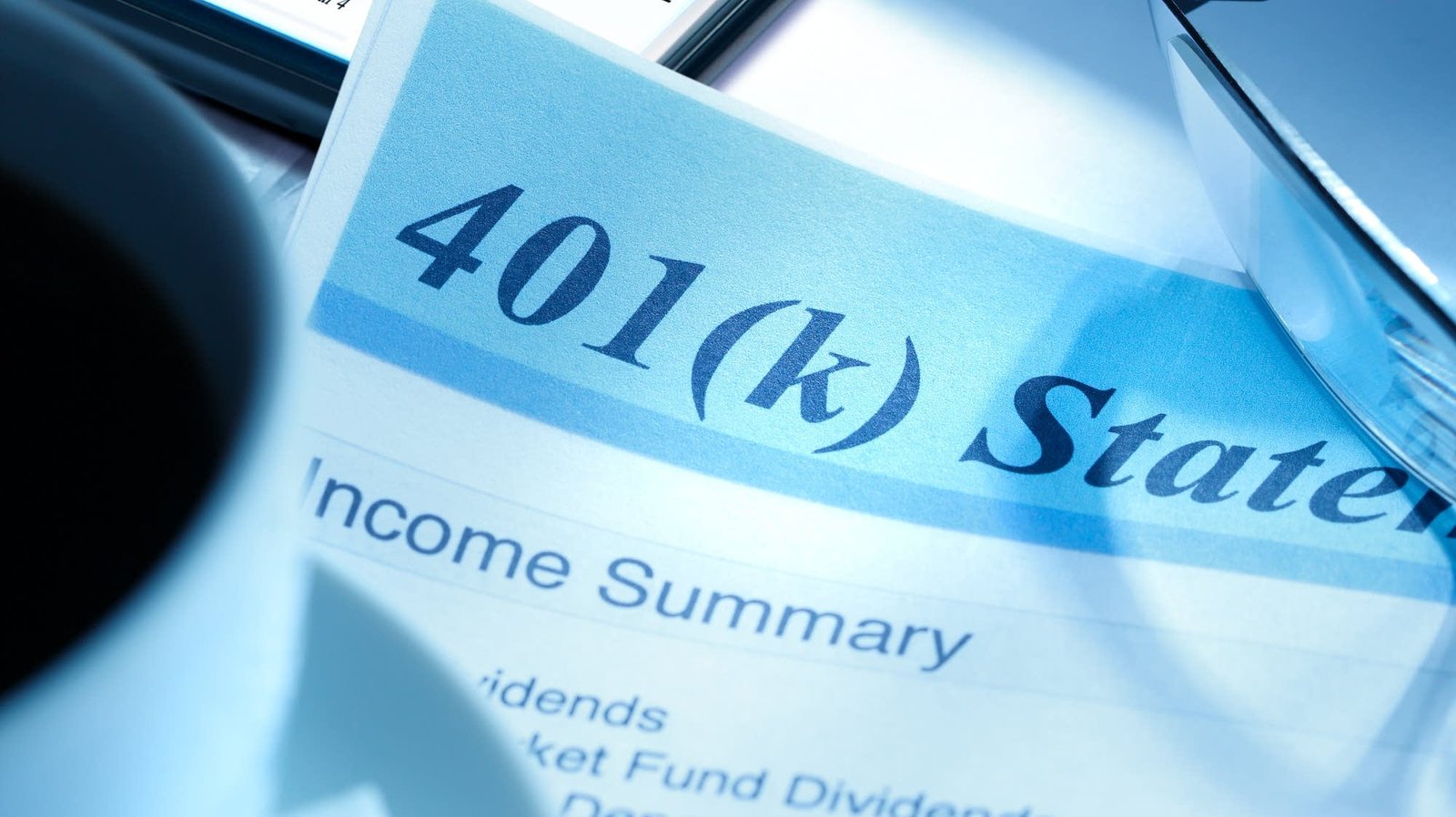
The Trump administration is taking steps to allow 401(k) plans and other individual retirement accounts to invest in private equity markets.
What that means for you and me is that we’ll have the option to invest our retirement savings in, say, hedge funds that buy companies to take them private.
Last month, the president ordered the Labor Department and other agencies to review their policies, something the private equity industry has been pushing for. Soon after, the Labor Department rescinded a Biden-era effort to limit individual retirement accounts’ exposure to alternative investments.
The Trump administration’s steps will “make it easier for… institutions to offer 401(k) holders the ability to invest in private equity,” said Josh Lerner, a private markets researcher at Harvard Business School.
Proponents of the changes say they will give everyone access to high-yielding investment options. It’s stuff that’s currently the playground of the rich and connected. But private equity also has a “buyer-beware” element — no legally-mandated disclosures, for instance, which means more risk.
Investors have already poured in some $24 trillion into private equity markets, which have three main components: venture capital firms, which invest in startups; private equity firms that buy out companies, often taking them private (as was the case with Walgreens this summer); and private credit.
“The buyouts in particular get funded, not by banks any longer but by private credit funds,” which pool investor resources and make loans, said Steve Kaplan, professor of entrepreneurship and finance at the University of Chicago.
It’s all about high risk, high reward. A startup could fail or succeed spectacularly. A buyout could turn a company around, or it could go bankrupt.
There are already some moves to allow individual retirement savers to access private markets. In May, retirement services provider Empower announced new private investment trusts on offer. But individuals have to meet with an advisor first before adding them to their 401(k) accounts.
Even if the Trump administration is ultimately successful in lowering barriers, Lerner is skeptical that employers and 401(k) administrators will race into private markets.
“Traditionally, one of the big fears has been that of legal liability,” Lerner said.
For instance, employers and administrators are worried that workers will sue over the higher fees charged by private funds, which can eat away at lifetime gains.
Private funds are also complex investments — difficult to understand even by professionals.
In addition, there are concerns about the quality of some of the underlying assets in private equity, according to Lenore Palladino, an associate professor of economics and public policy at the University of Massachusetts who has written about the risks of private markets.
“Private equity firms have had a harder time selling off the companies that they had purchased when the time that they want to hold that company is up,” Palladino said.
Many private equity firms need to sell their investments to pay back previous investors, Palladino explained, “and so they’re essentially looking for a fresh pot of money … for them to use in their deal-making.”
The $12 trillion in assets sitting in 401(k)s and other employer-sponsored accounts look awfully fresh. And Palladino worries that everyday investors could end up holding the bag for past investments that have not panned out.
“It’s really clear that the smart money is already getting out, and so now it’s time to bring in the dumb money,” she said.
Not everyone is as worried. Kaplan predicts market forces will prevail, because it is in the interests of big money managers — who live on the fees associated with running private funds — to figure out a way to make those investments attractive to 401(k) plan administrators.
“You’re protected by the fact that the intermediaries, let’s say it’s a Blackrock, have an incentive to provide [a] product that is good for investors, because if they get it right, then they get more money and make more money over time,” Kaplan said.