
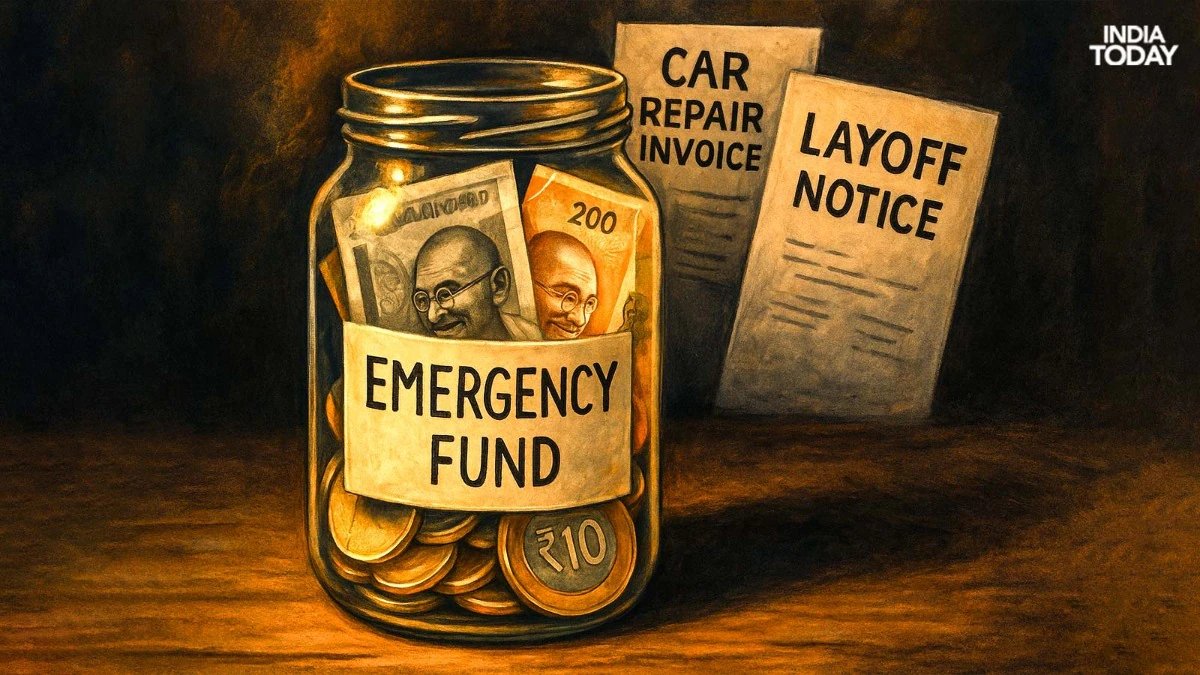
Before you begin investing, there’s one financial step that deserves priority — building an emergency fund. It may not generate returns like equities or mutual funds, but it acts as the foundation that protects all your future investments from disruption.
An emergency fund is money set aside specifically for unexpected situations — expenses that arise suddenly and require immediate attention. This could include medical emergencies, job loss, urgent repairs, or any unforeseen financial shock.
It is not meant for discretionary spending like shopping or holidays. Instead, it functions as a safety net that helps you manage crises without dipping into long-term investments or relying on high-interest debt.
Why emergency funds come before investing
According to Charu Pahuja, CFPCM, Director & Chief Operating Officer, Wise FinServ, this step is essential.
“Before you start investing, it’s worth taking a small pause and putting one thing in place first—an emergency fund. It may not sound exciting, but this is what quietly protects everything else you build.”
The reason is straightforward. Investments require patience, especially in volatile markets. If an emergency forces you to withdraw money during a downturn, you may end up locking in losses.
“Think of it like a cushion. Life doesn’t always move in a straight line… If you don’t have a buffer, you may end up pulling money out of your investments at the worst possible time,” she explains.
MUST READ: Fixing a weak MF portfolio: How to fix underperformance and cut costs with direct mutual fund plans
How much should you keep?
Most experts recommend maintaining 3 to 6 months of essential expenses as your emergency fund. These include rent or EMI, groceries, utility bills, insurance premiums, and other non-negotiable costs.
“You can think of it in a very simple way — keep aside enough money to run your home for the next three to six months,” says Pahuja.
If your income is stable, three months may be sufficient. However, if you are self-employed, run a business, or have dependents, a buffer of 6–12 months is more prudent.
MUST READ: Flexi cap vs multi cap: Do multi-cap funds have an edge, and what should investors do now?
Start small, build gradually
You don’t need a large amount upfront. Begin with what you can—₹500 or ₹1,000 a month—and build consistently. Once you have a basic cushion of around three months’ expenses, you can start investing while continuing to grow your emergency fund.
Where should you keep your emergency fund?
The objective is not high returns, but liquidity and safety. Your emergency fund should be easily accessible without risk of loss.
A practical approach is to split it into two parts. Keep around 30–40% in a savings account or sweep-in FD for immediate access during urgent situations. The remaining 60–70% can be parked in low-risk options like liquid or overnight mutual funds, which offer slightly better returns while maintaining stability.
Savings accounts provide instant liquidity but lower returns of around 2.5–4%. Sweep-in FDs and auto-sweep accounts offer marginally higher returns with quick access. Liquid mutual funds, typically accessible within one working day (T+1), are suitable for the bulk of the fund, offering a balance between safety and returns.
Financial stability
An emergency fund does more than just cover expenses—it gives you confidence. It ensures your SIPs and long-term investments remain untouched, even during difficult times.
“When you know you have money set aside for tough situations, you don’t panic easily. You’re able to stay focused and let your investments do their job over time,” Pahuja adds.