
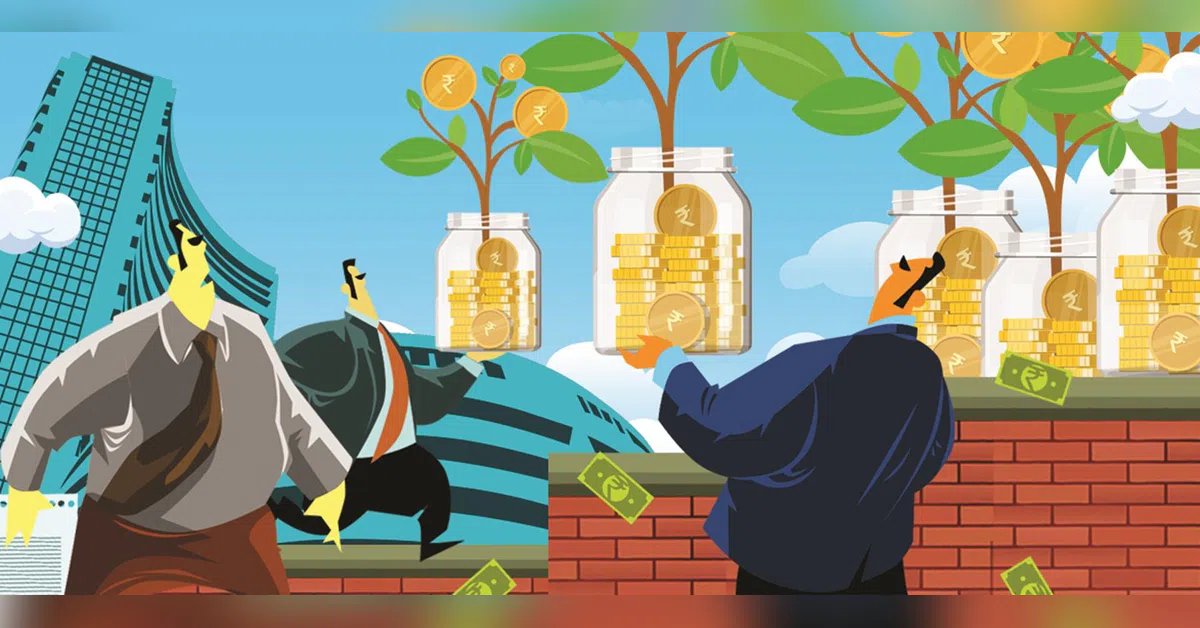
Choosing the wrong vehicle for a goal is a primary cause of financial distress. Using a growth asset for a short-term need risks a forced sale at a loss during a market dip. Conversely, using a guaranteed asset for a 20-year goal risks a loss of purchasing power because returns may not outpace the rising cost of living. Because your money’s value is tied to what it can buy, safety must be measured against inflation.
Aligning your choice with life goals and timelines
The real-life situation most readers face is a conflict between short-term anxiety and long-term needs. If you are saving for a house down payment needed in eighteen months, market growth is irrelevant; you need absolute certainty that your principal will be there. However, if you are 30 years old and saving for a retirement decades away, guaranteed 6 per cent returns are actually a risk because they likely won’t maintain your future standard of living. In this scenario, being safe with your capital is the riskiest move for your future self.
The decision follows a simple hierarchy: Time dictates the type. Any money needed within three years belongs in guaranteed instruments. This protects your capital and ensures you aren’t a victim of poor market timing. Any money meant for a goal more than seven years away requires a growth engine. Over longer periods, market volatility tends to smooth out, and compounding becomes the primary driver of your net worth.
For goals three to seven years away, hybrid strategies work best, combining the stability of guarantees with the upside of growth. This balanced approach ensures you aren’t entirely on the sidelines while the economy grows, but you also aren’t fully exposed to a sudden downturn just as you reach your deadline. By blending these worlds, you create a buffer that allows for growth without the stomach-churning drops of a pure equity portfolio.
Evaluating options through the lens of cost liquidity and tax
To make a clean choice, look past the headline interest rate and evaluate how these products function within your broader portfolio.
Guaranteed returns: the safety net
-
Purpose: Capital preservation, peace of mind and predictable cash flow for immediate expenses. -
Tax efficiency: In 2026, most guaranteed products in India are taxed at your marginal income tax slab. If you are in the 30 per cent bracket, a 7 per cent FD is effectively only a 4.9 per cent return. -
Liquidity: Generally high for bank deposits, though subject to small penalties. It is significantly lower for tax-saving products like the PPF, which have multi-year lock-ins. -
Convenience: very high. Opening an FD or buying a bond can usually be done in seconds via a banking app. -
The trade-off: you trade away high potential gains for the guarantee that your rupees will never decrease in nominal value.
Growth-focused Investments: the wealth builder
-
Purpose: Long-term wealth creation, compounding and outperforming lifestyle inflation. -
Cost management: Managed products carry an expense ratio. For growth to be effective over decades, you must keep these costs low, as a 1 per cent difference in fees can drastically reduce your final retirement corpus. -
Risk profile: High short-term volatility — investments can drop 20 per cent in a single year. However, the risk of permanent capital loss historically diminishes the longer you hold the asset. -
Tax efficiency: Equity investments are often more tax-efficient than FDs, with long-term capital gains (LTCG) taxed at a flat 12.5 per cent in 2026 for gains exceeding ₹1.25 lakh. -
The trade-off: you trade short-term peace of mind for a much larger final corpus.
Maintaining discipline through review and rebalancing
The most common mistake is asset-liability mismatching — using volatile growth for short-term liabilities or static guarantees for long-term assets. To avoid this, use a structured review process that focuses on your specific targets.
Checklist
-
Calculate your real return: Subtract your tax percentage and the 6 per cent inflation rate from your interest rate. If the result is negative, your wealth is shrinking. -
Audit your goal timeline: Sort every investment into three buckets: survival (0-2 years), stability (2-5 years) and growth (5+ years). -
Check for hidden costs: Before switching products, verify exit loads in mutual funds or premature closure fees in FDs. -
Automate your growth: Human psychology avoids risk. Set up a systematic investment plan for growth goals to automate buying during market dips. -
Annual rebalancing: Once a year, check your ratio of guarantees to growth. If growth now exceeds your planned allocation, move the excess into a guaranteed instrument to lock in wins. -
Review healthcare buffers: As health care inflation in 2026 often exceeds 10 per cent, ensure your emergency fund has enough liquidity to cover hospital bills without forcing a premature liquidation of growth investments.
FAQs
How should someone approach balancing growth and guarantees from investment?
The absolute first step is to build an emergency fund. Before deciding between growth or guarantees, you must have six to 12 months of expenses in a guaranteed account. This acts as emotional insurance, allowing you to stay invested in growth assets even when markets crash, because your survival is already guaranteed.
Which trade-off matters most here: liquidity, cost, risk or convenience?
The dominant trade-off is market risk versus purchasing power risk. Guaranteed returns eliminate market risk, but they almost always increase purchasing power risk. For any goal beyond five years, the risk of being too safe is often higher than the risk of being in the market.
What mistakes are most common when people deal with this topic?
Recency bias is the primary trap. Investors tend to flood into growth investments after a market rally and flee into guaranteed returns after a crash. Another common error is failing to account for tax leakage in guaranteed products, which makes a 7 per cent return much weaker than a 12.5 per cent taxed growth return.
How often should the decision or setup be reviewed?
Perform a formal review once a year or whenever a major life event occurs, such as a marriage or income change. As you move closer to a specific goal, start a glide path, gradually moving money from growth assets into guaranteed ones over the final two to three years.