
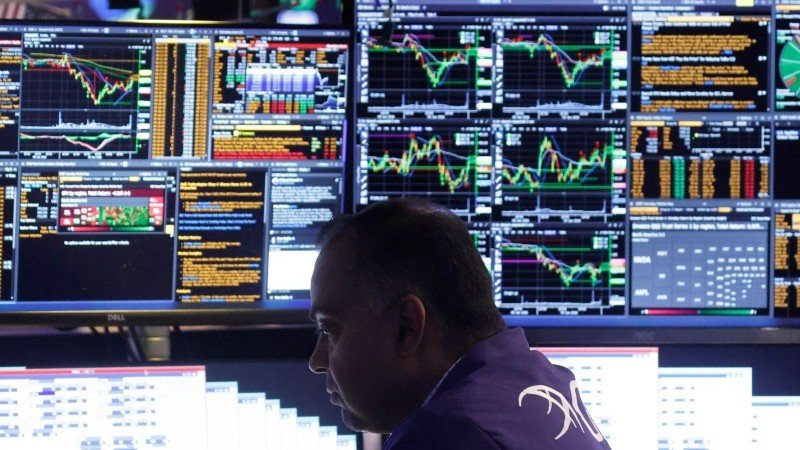
The prospect of a deal between the US and Iran helped market optimism, but AI jitters might be the next source of rates volatility. On the equities side, we see that implied volatilities shot higher, with the VIX close to 20 again. Overall, indices continue to trade close to record highs, but we do see more idiosyncratic sell-offs with the SpaceX IPO being the most prominent one. The hawkish tilt from the Fed does not help either, and a drift higher in longer real rates can be a challenge to valuations.
With US macro data still showing resilience, the Fed won’t be quick to respond to turmoil in the equities market, but is not entirely immune either. PMIs on Tuesday were well above 50, which is consistent with the earlier robust payroll numbers. Having said that, much of the economy is being pulled by AI-related investments. Mounting concerns about AI’s earning potential can therefore easily turn into a real economic drag. In addition, a sharp decline in share prices would hurt the already fragile consumer confidence. In such scenarios, the markets’ assessment of two more Fed hikes seems well overdone.
And with oil prices coming down, bonds should start looking more attractive as a risk hedge. A few weeks ago we noticed the record positive correlation between bonds and equities. But the correlation should start to normalise going forward. The recent push higher in rates was more driven by real rates than inflation expectations. If growth concerns were to take over now, we can expect those real rates to revert lower. In this case, the gains in bonds would offset equity losses, restoring the negative correlation.