
Close Menu
Fund Focus News
    Facebook X (Twitter) Instagram
    Trending
    • ICICI Prudential Mutual Fund Launches Life Cycle Fund 2031, 2036, And 2041, NFO Open Till September 9
    • Invested ₹1 lakh 20 years ago? These 7 mutual funds could have made it worth up to ₹23.3 lakh. Check the full list
    • How To Plan A Mutual Fund Portfolio For Early Retirement (FIRE) In India: Things To Keep In Mind
    • 3 Flailing Funds to Avoid
    • How India is investing in mutual funds: Longer holding periods, rising equity exposure and changing investor behaviour
    • Customize How You Track Your ETFs and Mutual Funds
    • Bitcoin Whales Have Moved $5B into BlackRock ETFs in Tax-Deferred Swaps
    • Vanguard Growth Index Fund Admiral Shares (VIGAX): What Investors Should Know
    Facebook X (Twitter) Instagram
    Fund Focus News
    • Home
    • Bonds
    • ETFs
    • Funds
    • Investments
    • Mutual Funds
    • Property Investments
    • SIP
    Fund Focus News
    Home»ETFs»Buyers should beware the dangers of new ETFs
    ETFs

    Buyers should beware the dangers of new ETFs

    August 13, 2026


    Unlock the Editor’s Digest for free

    Roula Khalaf, Editor of the FT, selects her favourite stories in this weekly newsletter.

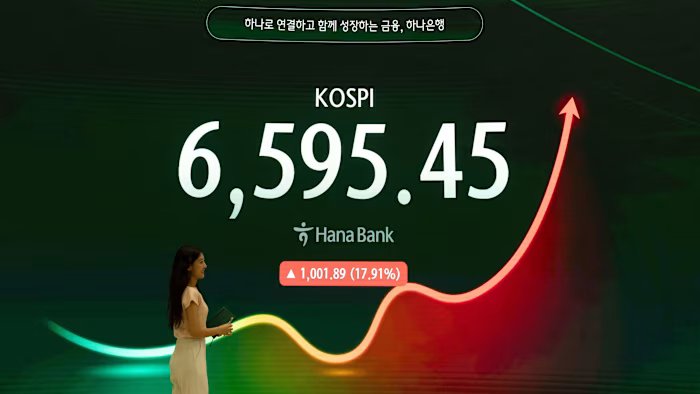
    This has been an eventful summer for the South Korean stock market. The Kospi, the country’s benchmark index, doubled in the first six months of the year before collapsing in late July. Its rise and fall were turbocharged by widespread retail purchases of a relatively new financial trend: leveraged exchange traded funds in single stocks.

    These ETFs, which in the Korean case largely tracked the performance of Samsung and SK Hynix (the index’s two largest stocks), use derivatives to amplify returns, giving retail investors access to previously unavailable leverage. The domestic fallout has been considerable: as the market fell, ETF-driven swings fuelled a wave of margin calls, adding to the pain for investors.

    Korea’s summertime meltdown is no quirky aberration. It should serve as a clear lesson to the world about how risky new products and high leverage are dramatically amplifying the volatility of markets.

    ETFs, long a favourite of retail investors, were originally a plain-vanilla, low-risk instrument designed to provide easy access to large, diversified baskets of stocks tracked by an index. Today more than $22tn worth of ETFs globally track everything from equities to bonds and commodities, as well as a growing range of “active” asset selections. America’s S&P 500 is tracked by over $2tn in State Street and Vanguard funds alone, which buy and hold large pools of assets, charge very low fees and allow retail investors on different brokerage platforms to invest as little as $1 apiece.

    But investment firms are now targeting retail investors with more complex products ranging from leveraged single-stock ETFs to inverse ETFs that enable them to “short” a stock, or bet on its price falling. These new strategies inject higher risks into retail portfolios by boosting gains and losses alike. Many new-style ETFs provide retail investors with investments they do not fully understand. They also do not necessarily act in ways that investors expect. By settling daily, these products can diminish the long-run returns of more volatile stocks.

    ETFs can also contribute to market volatility in aggregate, as in Korea. Leveraged, single-stock, and inverse ETFs amplify swings in wholly new ways. Yet these new and different ETFs are booming. More than 1,000 ETFs have launched just this year, of which almost a quarter have been leveraged single-stock funds. These new ETFs exemplify the way in which increasingly speculative products are being marketed to retail investors: from cryptocurrencies and prediction markets to zero-day options in India that bet on a stock’s single-day movements, many products look less like investments and more like gambling.

    South Korea’s regulators are responding to their domestic market moves with new rules intended to avoid a repeat of the swings investors experienced with leveraged ETFs. The country now requires single-name fund holders to take education courses before buying. Other countries can learn from the Korean example, before suffering similar rollercoaster rides.

    There should, of course, be an onus on buyers to vet what they buy. But better financial literacy and education would help retail investors evaluate new products. Investors in many markets would benefit, too, from stronger disclosure requirements that spell out the risks.

    Micro-risks, though, are not the only concern for authorities. The leverage built into newfangled ETFs, as well as many other areas of today’s booming markets, should be of growing concern to prudential watchdogs and an integral part of stress tests. A highly leveraged market with high retail participation has unpleasant echoes of past crashes.


    Source link

    Share. Facebook Twitter Pinterest LinkedIn Tumblr Telegram Email

    Related Posts

    Bitcoin Whales Have Moved $5B into BlackRock ETFs in Tax-Deferred Swaps

    August 25, 2026

    3 Covered Call ETFs Paying Up to 14% by Selling the Market’s Volatility

    August 25, 2026

    3 Covered Call ETFs Paying Up to 14% by Selling the Market’s Volatility

    August 25, 2026
    Leave A Reply Cancel Reply

    Top Posts

    The Shifting Landscape of Art Investment and the Rise of Accessibility: The London Art Exchange

    September 11, 2023

    Charlie Cobham: The Art Broker Extraordinaire Maximizing Returns for High Net Worth Clients

    February 12, 2024

    ICICI Prudential Mutual Fund Launches Life Cycle Fund 2031, 2036, And 2041, NFO Open Till September 9

    August 26, 2026

    The Unyielding Resilience of the Art Market: A Historical and Contemporary Perspective

    November 19, 2023
    Don't Miss
    Mutual Funds

    ICICI Prudential Mutual Fund Launches Life Cycle Fund 2031, 2036, And 2041, NFO Open Till September 9

    August 26, 2026

    Why The Fund House Is Betting On ThisS Naren, executive director and chief investment officer…

    Invested ₹1 lakh 20 years ago? These 7 mutual funds could have made it worth up to ₹23.3 lakh. Check the full list

    August 26, 2026

    How To Plan A Mutual Fund Portfolio For Early Retirement (FIRE) In India: Things To Keep In Mind

    August 26, 2026

    3 Flailing Funds to Avoid

    August 26, 2026
    Stay In Touch
    • Facebook
    • Twitter
    • Pinterest
    • Instagram
    • YouTube
    • Vimeo
    EDITOR'S PICK

    Hedge funds’ insurance binge threatens catastrophe cover, warns Munich Re

    August 27, 2025

    Franklin Templeton launches tokenized ETFs trading 24/7 in crypto wallets

    March 25, 2026

    This Vanguard ETF Has Generated 620% Returns in 10 Years. Is It Still a Buy?

    October 20, 2024
    Our Picks

    ICICI Prudential Mutual Fund Launches Life Cycle Fund 2031, 2036, And 2041, NFO Open Till September 9

    August 26, 2026

    Invested ₹1 lakh 20 years ago? These 7 mutual funds could have made it worth up to ₹23.3 lakh. Check the full list

    August 26, 2026

    How To Plan A Mutual Fund Portfolio For Early Retirement (FIRE) In India: Things To Keep In Mind

    August 26, 2026
    Most Popular

    🔥Juve target Chukwuemeka, Inter raise funds, Elmas bid in play 🤑

    August 20, 2025

    💵 Libra responds after Flamengo takes legal action and ‘freezes’ funds

    September 26, 2025

    ₹9000 monthly SIP can help you retire at 45 with ₹2 lakh monthly pension

    May 5, 2026
    © 2026 Fund Focus News
    • Get In Touch
    • Privacy Policy
    • Terms and Conditions

    Type above and press Enter to search. Press Esc to cancel.