
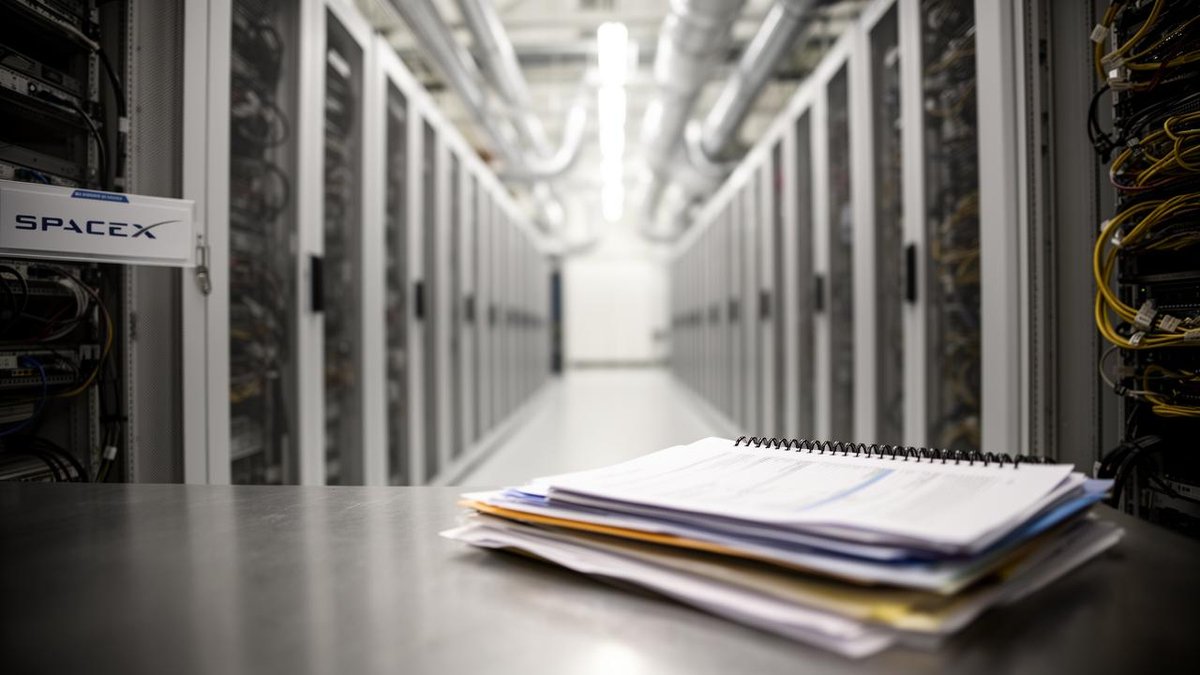
Apollo and Goldman Sachs have priced roughly $44 billion of senior and subordinated notes whose repayment rests on SpaceX’s lease of advanced AI chips, a transaction the banks describe as the largest GPU-backed financing on record.
The deal, which bankers upsized after attracting more orders than there was paper to sell, will fund the next generation of Nvidia Vera Rubin processors for SpaceX’s ground-based computing buildout. Lease payments are scheduled to begin once the chips and related hardware are delivered in the first half of 2027.
BlackRock, Goldman Sachs Asset Management and funds advised by KKR took anchor positions in the offering. The debt was issued through a special purpose vehicle, a structure intended to keep the obligation off SpaceX’s balance sheet and protect its investment-grade corporate rating.
According to Moody’s, SpaceX intends to deploy the chips in U.S. data centers that it majority-owns, controls and operates. The agency assigned the notes an A3 grade, a notch above SpaceX’s own corporate rating, while KBRA rated them A-minus. Both cited “hell-or-high-water” lease clauses that bar the company from abandoning the payments.
Pricing and structure came together quickly. More than $19 billion of the bonds had locked in commitments before Thursday’s sale, including $4 billion from Pimco, and the offering ultimately drew more than $30 billion from large investors under an internal name, “Project Saturn.” The biggest slice was a $25 billion investment-grade bond secured by SpaceX’s five-year lease obligation on the Nvidia chips. The debt priced at 3.45 percentage points over Treasuries, for a total yield of about 8.3 percent, while SpaceX’s own debt maturing in 2031 traded near 7.2 percent on Thursday.
| Key terms | Detail |
|---|---|
| Total notes priced | About $44 billion |
| Largest tranche | $25 billion investment-grade bond |
| Spread to Treasuries | 3.45 percentage points |
| All-in yield | About 8.3 percent |
| Maturity | 2032, principal repaid in under four years |
| Ratings | A3 (Moody’s), A-minus (KBRA) |
| Lease start | First half of 2027, on equipment delivery |
Note: Yield and spread figures come from people familiar with the sale; ratings and lease terms come from the rating reports.
The financing also surfaced an unusual tension between borrower and lenders. People familiar with the matter said creditors sought to bar Elon Musk from launching the collateral into orbit as part of his ambition to run data centers in space, since chips fired into space could not be seized and resold in a default. SpaceX has said the chips in this deal are destined for terrestrial facilities, and it is unclear whether the restriction survived into the final documents.
The package is far larger than the roughly $40 billion in total principal payments SpaceX outlined last month, when it said an Apollo Global Management affiliate would buy AI chips and server hardware and lease them back to the company. Apollo, Goldman Sachs and Pimco declined to comment, and SpaceX did not respond to a request for comment.
For credit investors, the appeal lies in investment-grade paper tied to hard assets leased to a single high-profile tenant, with principal amortizing well before maturity to soften default risk. Grant Nachman, chief investment officer at Shorecliff Asset Management, said the structure “appears cleverly structured and should appeal to a panoply of buyers, potentially including deep pools of insurance capital seeking attractive yield on investment-grade debt,” adding that it “could prove a harbinger of future issuances.” The deal also shows how far technology companies will go to lock up scarce processors, and how lenders are being asked to underwrite assets that can, in principle, leave the planet.