
Close Menu
Fund Focus News
    Facebook X (Twitter) Instagram
    Trending
    • 3 EV Mutual Funds in 2026: Capitalising on India’s Electric Vehicle Growth – Money Insights News
    • SBI Funds Management IPO Day 3: Strong Retail Buying Clears Path For Solid Listing
    • From Rs 10,000 SIP to wealth creation, here’s how the top 5 mutual funds performed over 5 years | Personal-finance
    • Mutual Fund SWP vs Post Office Monthly Income Scheme (MIS): Which has provided more monthly income on Rs 9 lakh investment in 5 years? Get calculations
    • Regulator raises minimum deposit requirement for leveraged ETFs amid wild swings
    • What are leveraged ETFs and how are they driving the AI rally? Explained
    • New large and mid-cap mutual fund opens for subscription: Key details
    • SBI Funds Management IPO subscribed 2.77 times; NII category drives demand | Business News
    Facebook X (Twitter) Instagram
    Fund Focus News
    • Home
    • Bonds
    • ETFs
    • Funds
    • Investments
    • Mutual Funds
    • Property Investments
    • SIP
    Fund Focus News
    Home»Bonds»Banco Santander and NatWest sell record AT1 bonds with 10-year calls, locking in cheap capital
    Bonds

    Banco Santander and NatWest sell record AT1 bonds with 10-year calls, locking in cheap capital

    May 28, 2026


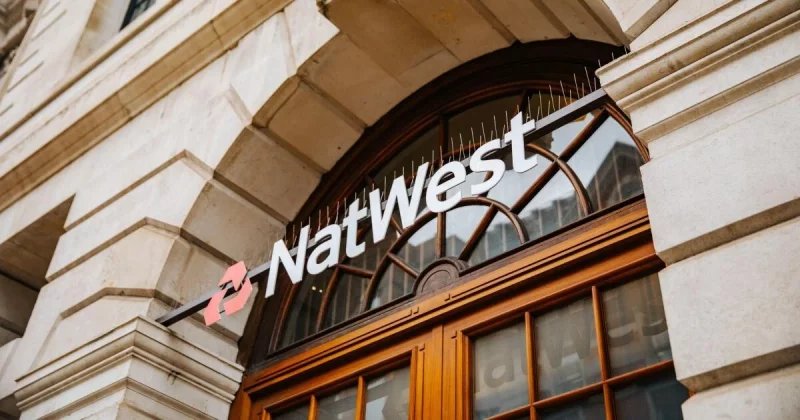
    European banks are doing something they rarely do with their riskiest debt: thinking long-term. Banco Santander and NatWest Group are among the lenders selling record amounts of Additional Tier 1 bonds with 10-year call dates, a move designed to lock in relatively low borrowing costs for a full decade.

    The strategy is straightforward. Issue perpetual hybrid bonds now while investor appetite is strong, push the first call option out to 10 years instead of the more typical five or six, and secure a longer runway of predictable capital costs.

    What’s actually happening in the AT1 market

    NatWest Group issued a $1 billion reset perpetual subordinated contingent convertible AT1 bond with a 10-year call and an 8.125% coupon.

    Banco Santander, meanwhile, has been even busier. The Spanish bank conducted a 1.5 billion euro perpetual non-call six transaction that pulled in over 10 billion euros in orders. That’s a roughly 6.7x oversubscription.

    Santander has also announced a tender offer for up to $850 million of an outstanding AT1 tranche, effectively swapping older, potentially more expensive capital for fresh issuances at better terms.

    AT1 bonds sit at the bottom of the bank capital structure. They’re perpetual instruments, meaning they technically never mature, with scheduled call options that give the issuer the right to redeem them at specific dates. If a bank’s capital ratio falls below a certain threshold, these bonds can be written down or converted to equity. That risk is why they pay higher yields than senior debt.

    Why banks are stretching call dates to 10 years

    The call rate on first call dates has historically hovered around 95%. But Santander learned in 2019 what happens when a bank chooses not to call an AT1 bond on its first call date. Investors were, to put it diplomatically, displeased. The decision rattled confidence and raised questions about whether other banks might follow suit, briefly disrupting the market’s comfortable assumption that AT1 calls were a given.

    By issuing bonds with 10-year calls instead of five, banks eliminate the near-term refinancing risk entirely and lock in current spreads for twice as long.

    What this means for investors

    For bond investors, AT1 bonds with 10-year calls offer attractive coupons, NatWest’s 8.125% being a case in point, but they come with a longer period of uncertainty before the issuer is likely to redeem.

    When Santander attracts over 10 billion euros in orders for a 1.5 billion euro deal, it signals that institutional buyers are hungry for the yield premium AT1s offer over other debt instruments, even with extended timelines.

    Santander’s simultaneous tender offer for older AT1 debt and issuance of new bonds illustrates the core approach: retire legacy capital, replace it with fresh issuance, and extend the timeline before refinancing is required again.

    Non-call events, while rare, can trigger outsized market reactions, as the 2019 Santander episode demonstrated. With longer call dates, the window for potential economic disruption is simply wider, and the 8% coupon needs to adequately compensate for that exposure over a full decade rather than just five years.

    Disclosure: This article was edited by Editorial Team. For more information on how we create and review content, see our Editorial Policy.


    Source link

    Share. Facebook Twitter Pinterest LinkedIn Tumblr Telegram Email

    Related Posts

    IHI p.l.c. announces basis of acceptance for the €30,000,000 5.25% unsecured bonds 2036

    July 15, 2026

    Bahrain: Subscription begins for $533mln bonds issue

    July 15, 2026

    Wealth manager dumps UK bonds over fears Andy Burnham ‘will do a Liz Truss’

    July 14, 2026
    Leave A Reply Cancel Reply

    Top Posts

    The Shifting Landscape of Art Investment and the Rise of Accessibility: The London Art Exchange

    September 11, 2023

    Charlie Cobham: The Art Broker Extraordinaire Maximizing Returns for High Net Worth Clients

    February 12, 2024

    The Unyielding Resilience of the Art Market: A Historical and Contemporary Perspective

    November 19, 2023

    Regulator raises minimum deposit requirement for leveraged ETFs amid wild swings

    July 16, 2026
    Don't Miss
    Mutual Funds

    3 EV Mutual Funds in 2026: Capitalising on India’s Electric Vehicle Growth – Money Insights News

    July 16, 2026

    The global automotive industry is undergoing one of its most disruptive transformations since the advent…

    SBI Funds Management IPO Day 3: Strong Retail Buying Clears Path For Solid Listing

    July 16, 2026

    From Rs 10,000 SIP to wealth creation, here’s how the top 5 mutual funds performed over 5 years | Personal-finance

    July 16, 2026

    Mutual Fund SWP vs Post Office Monthly Income Scheme (MIS): Which has provided more monthly income on Rs 9 lakh investment in 5 years? Get calculations

    July 16, 2026
    Stay In Touch
    • Facebook
    • Twitter
    • Pinterest
    • Instagram
    • YouTube
    • Vimeo
    EDITOR'S PICK

    How to start investing: a beginner’s guide

    November 25, 2025

    Cadaret Grant to Pay $6M Over Mutual Fund Revenue-Sharing Conflicts

    August 13, 2024

    This mutual fund has delivered over 20% returns in 3 years

    August 26, 2025
    Our Picks

    3 EV Mutual Funds in 2026: Capitalising on India’s Electric Vehicle Growth – Money Insights News

    July 16, 2026

    SBI Funds Management IPO Day 3: Strong Retail Buying Clears Path For Solid Listing

    July 16, 2026

    From Rs 10,000 SIP to wealth creation, here’s how the top 5 mutual funds performed over 5 years | Personal-finance

    July 16, 2026
    Most Popular

    🔥Juve target Chukwuemeka, Inter raise funds, Elmas bid in play 🤑

    August 20, 2025

    💵 Libra responds after Flamengo takes legal action and ‘freezes’ funds

    September 26, 2025

    ₹9000 monthly SIP can help you retire at 45 with ₹2 lakh monthly pension

    May 5, 2026
    © 2026 Fund Focus News
    • Get In Touch
    • Privacy Policy
    • Terms and Conditions

    Type above and press Enter to search. Press Esc to cancel.