
Close Menu
Fund Focus News
    Facebook X (Twitter) Instagram
    Trending
    • Sip & Sugar bakery have the ‘best cookies’ in the region
    • Investing $500 a Month Into These 3 ETFs Could Retire You a Millionaire
    • Tax-Efficient Portfolio: Stocks, Bonds And ETFs Explained
    • The L.A. Lakers Delivered a 1-Year Return of 25%. These ETFs Have Done Even Better.
    • Gen Z Investors Favor ETFs and Buy-and-Hold Strategy on Binance, New Data Reveals
    • These 3 ETFs Pay More Than a Rental Property With No Tenants, No Repairs, and No Mortgage
    • 5 Monthly Dividend ETFs Paying 7 to 14 Percent to Ride Into 2027
    • US energy sector ETFs see $4B in outflows as investor sentiment flips after record year
    Facebook X (Twitter) Instagram
    Fund Focus News
    • Home
    • Bonds
    • ETFs
    • Funds
    • Investments
    • Mutual Funds
    • Property Investments
    • SIP
    Fund Focus News
    Home»Bonds»Bank of England to stop accepting bonds linked to coal for key loans | Bank of England
    Bonds

    Bank of England to stop accepting bonds linked to coal for key loans | Bank of England

    July 18, 2026


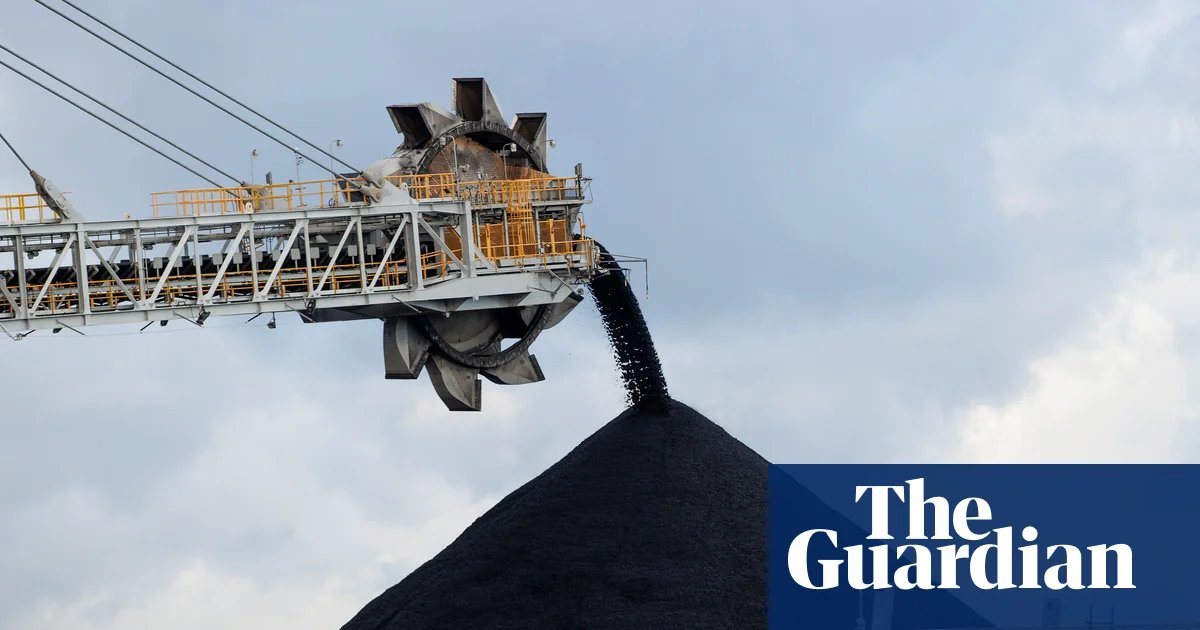
    Climate campaigners have declared a victory after the Bank of England said it would no longer accept bonds linked to one of the most polluting industries on the planet for key loan arrangements.

    The ban, which comes into force in October, marks a fresh crackdown on thermal coal, which is burned in power plants to create electricity, and has long been a target of green policy activists.

    The Bank’s new policy suggests that bonds linked to thermal coal are now too risky to sit on its balance sheet, as an international shift away from dirty fossil fuels towards greener energy could end up wiping out their value.

    “It’s a strong signal from a central bank, and to the market as well,” Ellie McLaughlin, a senior policy and advocacy manager at the campaign group Positive Money, told the Guardian.

    Earlier this summer the Bank of England quietly announced it would no longer let commercial banks use bonds linked to the thermal coal as “collateral” when they borrowed money from the central bank.

    The central bank regularly issues loans to commercial banks such as Barclays, Lloyds, NatWest and HSBC to ensure they can settle transactions and keep operations running smoothly. Those commercial banks have to provide collateral, usually in the form of bonds, as a guarantee, meaning they would be kept by the central bank if they failed to repay their loans.

    About 150 of the world’s largest financial companies already have some sort of restrictions on how they do business with the thermal coal industry, according to figures published by the Paris-based non-profit Reclaim Finance last September.

    However, activists are hoping the new policy will force commercial banks to rethink holding assets linked to thermal coal – which is one of the most polluting fossil fuels on the planet – on their balance sheets.

    The Bank of England explained in its policy statement that thermal coal companies “can be exposed to potential financial risks connected to the adjustment of the economy towards net zero”. It added that the Bank would also discount the value of bonds in other relevant sectors “to protect the Bank against financial risks”.

    The policy is far more strict than those currently adopted by most of its western counterparts, including the European Central Bank. However, the Bank of England made little fanfare of its announcement, having quietly released the policy on its website in early June.

    “The Bank of England has been much less vocal about this and its wider climate work in recent years, for kind of various reasons,” McLaughlin said.

    skip past newsletter promotion


    Free newsletter | Every weekday

    Sign up to Business Today

    Get set for the working day – we’ll point you to all the business news and analysis you need every morning

    after newsletter promotion

    It comes amid a US-led backlash against green policies that have forced most financial companies to row back on their climate goals since Donald Trump returned to the White House. “It does make that environment within which they operating much more difficult,” McLaughlin added.

    However, how effective the Bank of England’s policy sdsis will depend on its design.

    “We’ve yet to see how the Bank will calculate haircuts to account for climate risks, and exclusions should extend beyond thermal coal to cover all ‘always harmful’ activities,” McLaughlin said, including any fossil fuel expansion or deforestation.

    “It’s quite significant, but there are definitely a lot of areas where the Bank could be going further.”


    Source link

    Share. Facebook Twitter Pinterest LinkedIn Tumblr Telegram Email

    Related Posts

    Why choosing UK bonds offers a bulletproof shield against market chaos and inflation

    August 15, 2026

    ChatGPT Weighs 2 Popular Retirement Investments: Dividend Stocks vs. Bonds

    August 13, 2026

    US sells 30-year bonds at highest borrowing costs since 2001

    August 13, 2026
    Leave A Reply Cancel Reply

    Top Posts

    The Shifting Landscape of Art Investment and the Rise of Accessibility: The London Art Exchange

    September 11, 2023

    Charlie Cobham: The Art Broker Extraordinaire Maximizing Returns for High Net Worth Clients

    February 12, 2024

    Sip & Sugar bakery have the ‘best cookies’ in the region

    August 16, 2026

    The Unyielding Resilience of the Art Market: A Historical and Contemporary Perspective

    November 19, 2023
    Don't Miss
    SIP

    Sip & Sugar bakery have the ‘best cookies’ in the region

    August 16, 2026

    Husband and wife team Mark and Tor Bennett launched Sip & Sugar in 2022, and…

    Investing $500 a Month Into These 3 ETFs Could Retire You a Millionaire

    August 16, 2026

    Tax-Efficient Portfolio: Stocks, Bonds And ETFs Explained

    August 16, 2026

    The L.A. Lakers Delivered a 1-Year Return of 25%. These ETFs Have Done Even Better.

    August 16, 2026
    Stay In Touch
    • Facebook
    • Twitter
    • Pinterest
    • Instagram
    • YouTube
    • Vimeo
    EDITOR'S PICK

    South Korea’s $590B Chip Bet Has Semiconductor ETFs Buzzing, but Memory Cycles Have Burned Believers Before

    July 6, 2026

    Planning Mutual Fund Investments: How SIP Calculators Help You Stay on Track

    May 13, 2026

    SJP exceeds £200bn in funds under management

    October 23, 2025
    Our Picks

    Sip & Sugar bakery have the ‘best cookies’ in the region

    August 16, 2026

    Investing $500 a Month Into These 3 ETFs Could Retire You a Millionaire

    August 16, 2026

    Tax-Efficient Portfolio: Stocks, Bonds And ETFs Explained

    August 16, 2026
    Most Popular

    🔥Juve target Chukwuemeka, Inter raise funds, Elmas bid in play 🤑

    August 20, 2025

    💵 Libra responds after Flamengo takes legal action and ‘freezes’ funds

    September 26, 2025

    ₹9000 monthly SIP can help you retire at 45 with ₹2 lakh monthly pension

    May 5, 2026
    © 2026 Fund Focus News
    • Get In Touch
    • Privacy Policy
    • Terms and Conditions

    Type above and press Enter to search. Press Esc to cancel.