
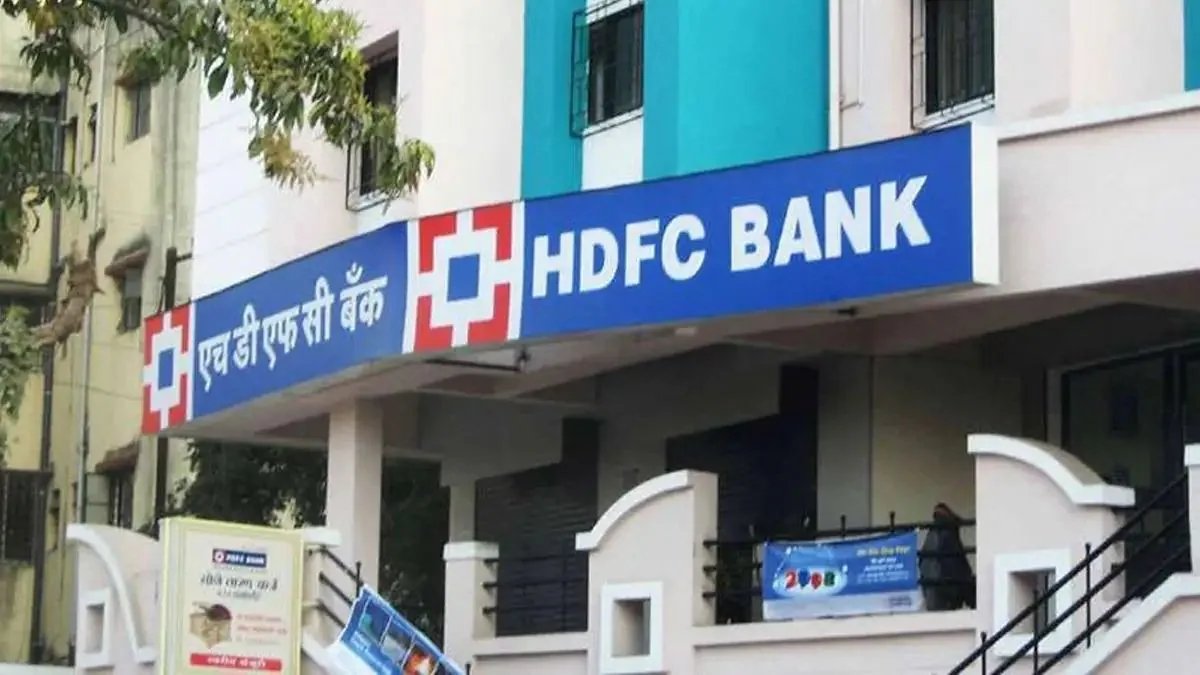
HDFC Bank has benched two senior executives as it probes alleged mis-selling of Credit Suisse AT1 bonds. Christina Titus explains the high risks associated with these bonds, the consequent restrictions on their sale to retail investors and the allegations against HDFC Bank
l What are AT1 bonds?
AT1 OR ADDITIONAL Tier 1 bonds are perpetual, high-risk debt instruments that banks issue to meet regulatory capital adequacy norms under frameworks such as the Basel III accords. These bonds have no fixed maturity, and rank below other forms of debt but above common equity in the repayment hierarchy. The AT1 bonds are considered as going concern capital; the funds raised through these bonds will be used to meet the losses in case of a bank failure. Investors opt for AT1 bonds knowing they carry higher risks to earn potential higher coupon returns. In a financial crisis, these bonds are either converted into equity or written off, implying their riskier nature. The issuing bank can offer a ‘call’ option, where it redeems or
asks bondholders to return the bonds. Investors price these bonds based on their expected returns at the first call dates.
These bonds were first introduced in line with the Basel banking norms after the global financial crisis of 2008 so as to strengthen the quality of banks’ capital and improve the resilience of the banks to absorb shocks and stress.

l What makes these bonds so risky
BY ISSUING AT1 bonds, banks create an additional buffer to manage losses during periods of a financial stress or bank collapse. This helps them maintain stability and prevent any impact to bank deposits in a crisis. If the capital ratios of the bank fall below the minimum threshold or during a crisis, issuers can halt interest payments or write-down these bonds. Moreover, these bonds will be the first one among debt to be written down if a bank reaches a point of non-viability. Though the regulations place these bonds above equity in priority of repayment, it did not happen in the case of the Credit Suisse crisis in Europe or in Yes Bank crisis in India, mirroring the intensity of risk. Despite the higher risks, investors get lured to these bonds chasing the higher returns they offer. Currently, AT1 bonds from highly rated issuers in India offer returns in the range of 7.5-10%.
l Allegations against HDFC Bank
HDFC BANK HAS put two senior executives on gardening leave amid a probe regarding alleged mis-selling of Credit Suisse’s AT1 bonds, Bloomberg reported last week. These bonds were written off two years back, after which some of its overseas clients alleged mis-selling of these high-risk AT1 bonds. It was alleged that the bank employees had inflated the income of the clients to make them eligible for AT1 bonds and did not disclose the high risks associated with these bonds. Media reports said four high-net worth individual investors filed complaints with the Economic Offences Wing, alleging that the bank has misused their deposits worth Rs 25-30 crore to invest in Credit Suisse AT1 bonds. Last month, the bank said that Dubai Financial Services Authority (DFSA) has barred the lender from onboarding new clients, citing lapses in onboarding process and offering financial services. Experts believe the Dubai regulator’s ban is linked to the mis-selling of Credit Suisse’s AT1 bonds by the bank.
l The crisis at Credit Suisse
IN 2023, SWISS regulator FINMA wrote off Credit Suisse’s AT1 bonds worth over $20 billion as part of the bank’s emergency merger with UBS. The bonds were already trading at distressed levels before the write-off. The decision to write them off left many investors in distress, prompting legal challenges and appeals across multiple jurisdictions. Recently, a Swiss court ruled that the write-off was unlawful.
l What happened at Yes Bank
A SIMILAR CRISIS happened in India in 2020 during Yes Bank’s reconstruction. The Reserve Bank of India (RBI) superseded the board of Yes Bank when the latter faced severe financial stress. The bank’s AT1 bonds were written off as part of its restructuring plan, where investors lost around Rs 9,000 crore. Several investors approached the courts, claiming they were not informed about the high risks associated with it. In 2023, Bombay High Court ruled that a write-off was not necessary. The RBI and Yes Bank appealed to the Supreme Court against it and got a stay. In January, the apex court referred the case to a bench led by Justice A S Oka, assuring investors that efforts would be made to seek a resolution for the financial difficulties they are experiencing. The legal battle is still going on.
l Can Indian retail investors buy these bonds?
AFTER THE YES Bank crisis, the Securities and Exchange Board of India (Sebi) made the instruments less accessible to retail investors. A Sebi circular issued on October 2020 said only qualified institutional buyers can participate in primary issuances of AT1 bonds, with a minimum investment of Rs 1 crore. In the secondary market, all investor categories are permitted, subject to the same minimum lot size. In short, investors including retail investors, who understand the associated risks can still consider investing in such bonds to earn higher returns.