
Molly:
Can you hear the footsteps? Who could be marching and why?
Rules are important. They keep us safe, they keep things running. But what if a rule was wrong? Would you do something to change it?
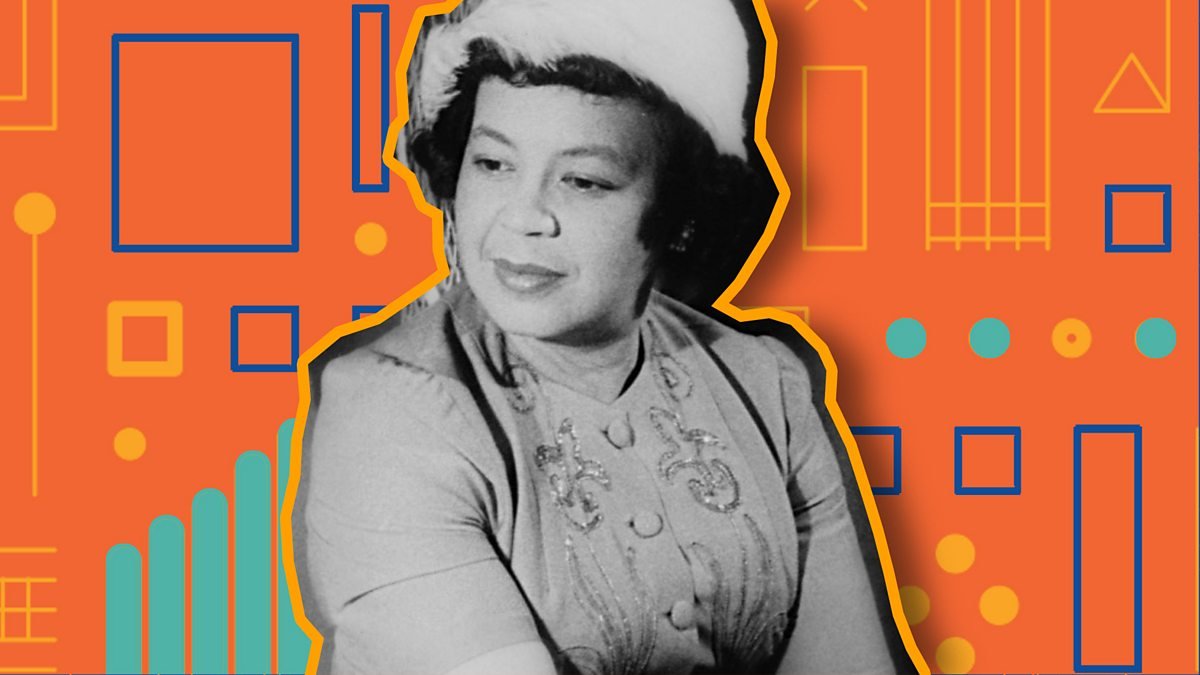
Composer Margaret Bonds was inspired to write this piece of music by a group of people standing up to rules that were unjust, prejudiced, and needed to be changed.
In the 50s, many states across the United States of America had segregation laws. This meant that black people and white people were treated very differently.
It’s hard to imagine now, but back then, black and white people were not allowed to eat together in a restaurant, sit together in a cinema, or sit on the same part of a bus.
Black people had to sit at the back whilst white people were given better seats at the front. If the white section was full, black passengers had to give up their seats.
This prejudiced treatment of black people led to a huge protest in the city of Montgomery in Alabama, and the actions of those people went on to change laws across America.
It was this historic event that inspired Margaret Bonds to compose The Montgomery Variations.
The Montgomery Bus Boycott began in December 1955, when a lady called Rosa Parks was arrested and fined for refusing to give up her bus seat to a white man. This act of defiance set the wheels turning – the wheels of change!
People across Montgomery began boycotting the buses in protest. They took to the streets, and they marched, shared car journeys or even taxis, rather than travelling by bus. In fact, so many people stopped using the buses, that they almost put the bus companies out of business.
In December 1956, the US Supreme Court finally ordered Montgomery to allow black and white people sit together on the buses. This huge change didn’t just affect the people of Alabama, but the whole of the United States.
Margaret Bonds was a composer at the time of the bus boycott. She often wrote music combining classical music with folk tunes and African American spirituals that she’d grown up with. The Montgomery Variations are based on a spiritual theme called “I Want Jesus to Walk with Me”.
Margaret Bonds used the melody from this song in lots of different ways, or variations, throughout the seven sections of the piece. Each movement tells part of the story.
Can you hear how she uses the music to show the strength and the anger of the people? But also, the hope and pride?
40,000 people boycotted the buses on the first day of the protest in Montgomery.
In this movement called March, Margaret Bonds represents the boycott with the timpani and double basses playing the same notes together in unison.
It sounds like thousands of feet pounding the streets together. The music draws us into the crowd as though we are marching with the people. It’s almost impossible to keep your feet still.
The melody is passed between the instruments of the orchestra. First bassoons, then cellos, violins and cor anglais. The melody builds in strength each time, just like the community of Montgomery. Single voices joining together as one.
The next movement has a very different mood. It’s hopeful, like an early morning – dawn, new beginnings, and the feeling of change.
Margaret Bonds has been inspired by the same spiritual melodies in the March, but she’s written it very differently this time. Can you hear the woodwind playing the melody? The music swells around the orchestra, like the sun rising or birds in a dawn chorus, reflecting a community waking up to the change they’ve helped to make happen.
Margaret Bonds was inspired by the people who marched. The people who marched were inspired by Rosa Parks. And Rosa Parks was inspired by her belief in what was right, and that changed the world.