Key takeaways
-
U.S. savings bonds are zero-coupon bonds issued by the Treasury and backed by the U.S. government, making them one of the safest investment options available.
-
Series EE bonds currently earn 2.70 percent annually, while Series I bonds earn 3.98 percent and provide inflation protection through adjustable rates.
-
Savings bonds must be held for at least one year before redemption, and if cashed within five years, you’ll forfeit the last three months of interest.
-
Unlike traditional bonds, savings bonds cannot be sold to other investors but can only be redeemed directly with the government.
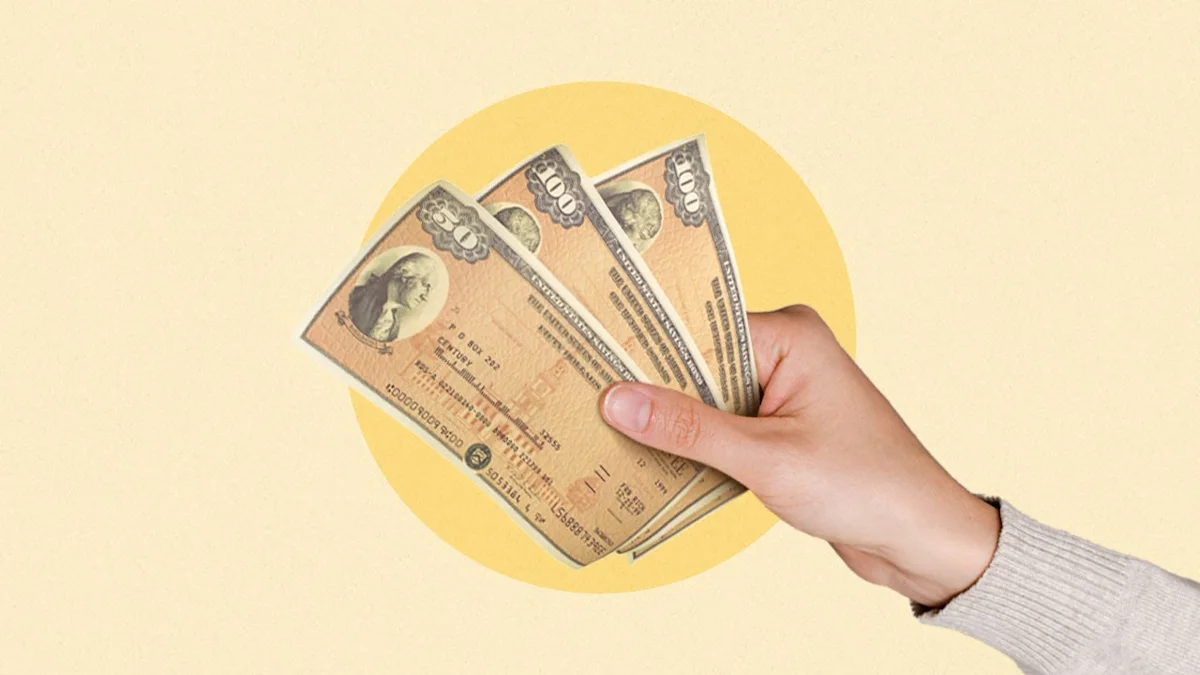
Savings bonds are a type of debt security issued by the U.S. government. Unlike typical bonds that pay interest regularly, a savings bond is a zero-coupon bond, meaning it pays interest only when it is redeemed by the owner. The bond is also nontransferable, so it can’t be sold to someone else, which distinguishes it from more typical bonds.
If you’re considering U.S. savings bonds as part of your investing plan, there are some important details to know about how the bonds work and whether they fit your financial goals compared to other low-risk investments.
What is a savings bond?
Savings bonds are an easy way for individuals to loan money directly to the government and receive a return on their investment.
Bonds are sold at less than face value, for example, a $50 Series EE bond may cost $25. Bonds accrue interest, and your gains are compounded, meaning that interest is earned on interest.
U.S. savings bonds differ from traditional bonds in several key ways.
-
Government backing: A U.S. savings bond is a low-risk way to save money, which is issued by the Treasury and backed by the U.S. government.
-
Interest payment structure: Savings bonds pay interest only when they’re redeemed by the owner, and they earn interest for as long as 30 years.
-
Redemption process: Electronic bonds can be cashed on the TreasuryDirect website, while paper bonds can be redeemed at most bank or credit union branches.
How savings bonds work
Savings bonds work by paying interest, and the earned interest compounds. Though a savings bond accrues interest over time, it isn’t paid out until the bond is redeemed.
U.S. savings bonds can only be redeemed by the owner and can’t be resold. The bond can be redeemed directly with the government, or in the case of a paper bond, with the government or a financial institution.
U.S. savings bonds can be purchased directly from the U.S. government on the Treasury’s Department’s TreasuryDirect website. Series EE and Series I bonds can be purchased in electronic form.
All electronic savings bonds can be purchased in any amount from $25 to $10,000, while Series I paper bonds are limited to multiples of $50 up to $5,000 per year. Series EE bonds, which are no longer sold in paper form, can be purchased online in any denomination you like above $25, down to the cent.
If a paper bond is lost, stolen, destroyed or otherwise mutilated, a replacement electronic bond can be requested.
Different types of savings bonds
U.S. savings bonds come in a three series, only two of which are still issued.
Pros of savings bonds
-
Safety: U.S. savings bonds are issued directly by the Treasury and backed by the U.S. government.
-
Taxes: Only federal income tax applies to savings bonds, not state or local taxes (unless your state has estate or inheritance taxes).
-
Education: Under some circumstances, you can avoid paying taxes on bond interest when bonds are used to pay for higher education.
-
Inflation protection for I bonds: Series I bonds offer some protection against inflation by offering a variable interest rate.
-
EE bonds are guaranteed to double in value: The Treasury guarantees that Series EE bonds can be redeemed for at least twice the face value in 20 years.
Cons of savings bonds
-
Yield: U.S. savings bonds can have lower yields than other savings products.
-
Flexibility: Savings bonds aren’t very flexible. They’re locked in for at least a year and incur a penalty of the last three months’ interest if redeemed in less than five years.
-
Purchase limits: Individuals are limited to how much they can invest in savings bonds — $10,000 a year in each series and $5,000 a year for paper Series I bonds.
How to cash in savings bonds
Both Series EE and Series I bonds can be cashed in once they’re a year old. If you cash in either series sooner than five years, you’ll lose the last three months of interest payments.
Both series of bonds earn interest for as long as 30 years. The longer you hold the bond, the more interest it accrues, but it stops accruing interest beyond the 30-year limit.
-
Electronic bonds: Electronic bonds can be cashed on the TreasuryDirect website by signing in to your account and following the instructions for redeeming the bond. The cash value of the bond will be credited to your checking or savings account within two business days of the redemption date. A minimum of $25 is required to redeem an electronic bond.
-
Paper bonds: Paper bonds can be redeemed at most banks or credit unions. No limit typically exists for cashing paper bonds, but the bank cashing the bonds may impose a restriction on how much you can redeem at one time.
Savings bonds vs. corporate bonds
While the government issues U.S. savings bonds, corporate bonds are sold by companies looking to raise funds to build their capital. The company offers fixed or variable interest rates paid out at regular intervals until the bond’s maturity date.
Unlike savings bonds, you can sell corporate bonds to receive the money earlier than the maturity, but you will lose some of its face value. With savings bonds, you cannot sell the bond to another investor. But you can redeem the bond for its face value and interest as soon as one year after purchase.
Savings bonds vs. savings accounts
Both savings bonds and many savings accounts are protected by the U.S. government, although there are some differences between the two when it comes to rate of return and accessibility of your funds.
You might use a high-yield savings account when you need to build your savings but still need the ability to withdraw funds at almost any time, whereas you might use a savings bond to receive guaranteed returns as part of an investment strategy.
Bottom line
Savings bonds are among the safest investments. Some factors to consider before investing in a savings bond include the interest rate offered and when you’ll want access to the funds.
Another alternative to savings bonds is certificates of deposit. These sometimes earn higher rates and are commonly offered by federally insured banks and credit unions.
Compare: Best CD rates
Editorial Disclaimer: All investors are advised to conduct their own independent research into investment strategies before making an investment decision. In addition, investors are advised that past investment product performance is no guarantee of future price appreciation.