
Close Menu
Fund Focus News
    Facebook X (Twitter) Instagram
    Trending
    • Looking for top SIP performers? These 7 equity mutual funds delivered over 20% returns in 10 years
    • Small-cap funds lead FY27 so far, beating mid, flexi and large-cap funds; JM Small Cap tops chart with over 32% return
    • No international funds open? These 15 domestic funds still hold foreign equities — two schemes have over 26% allocation
    • Apple Soared 15% in July, but GPIQ Holders Lost 6%: The Hidden Options Tax on Covered-Call ETFs
    • Distributor commissions reduce as fund houses pass on impact of new expense ratio regime – Mutual Funds News
    • Investing in mutual funds? Experts explain the behavioural biases that can quietly reduce your long-term returns
    • Your Money: Laddering strategy in bonds can optimise yield capture – Money News
    • Banks Offload Risk from Leveraged ETFs With Exotic ‘Crash Puts’
    Facebook X (Twitter) Instagram
    Fund Focus News
    • Home
    • Bonds
    • ETFs
    • Funds
    • Investments
    • Mutual Funds
    • Property Investments
    • SIP
    Fund Focus News
    Home»ETFs»Apple Soared 15% in July, but GPIQ Holders Lost 6%: The Hidden Options Tax on Covered-Call ETFs
    ETFs

    Apple Soared 15% in July, but GPIQ Holders Lost 6%: The Hidden Options Tax on Covered-Call ETFs

    August 2, 2026


    Apple Soared 15% in July, but GPIQ Holders Lost 6%: The Hidden Options Tax on Covered-Call ETFs

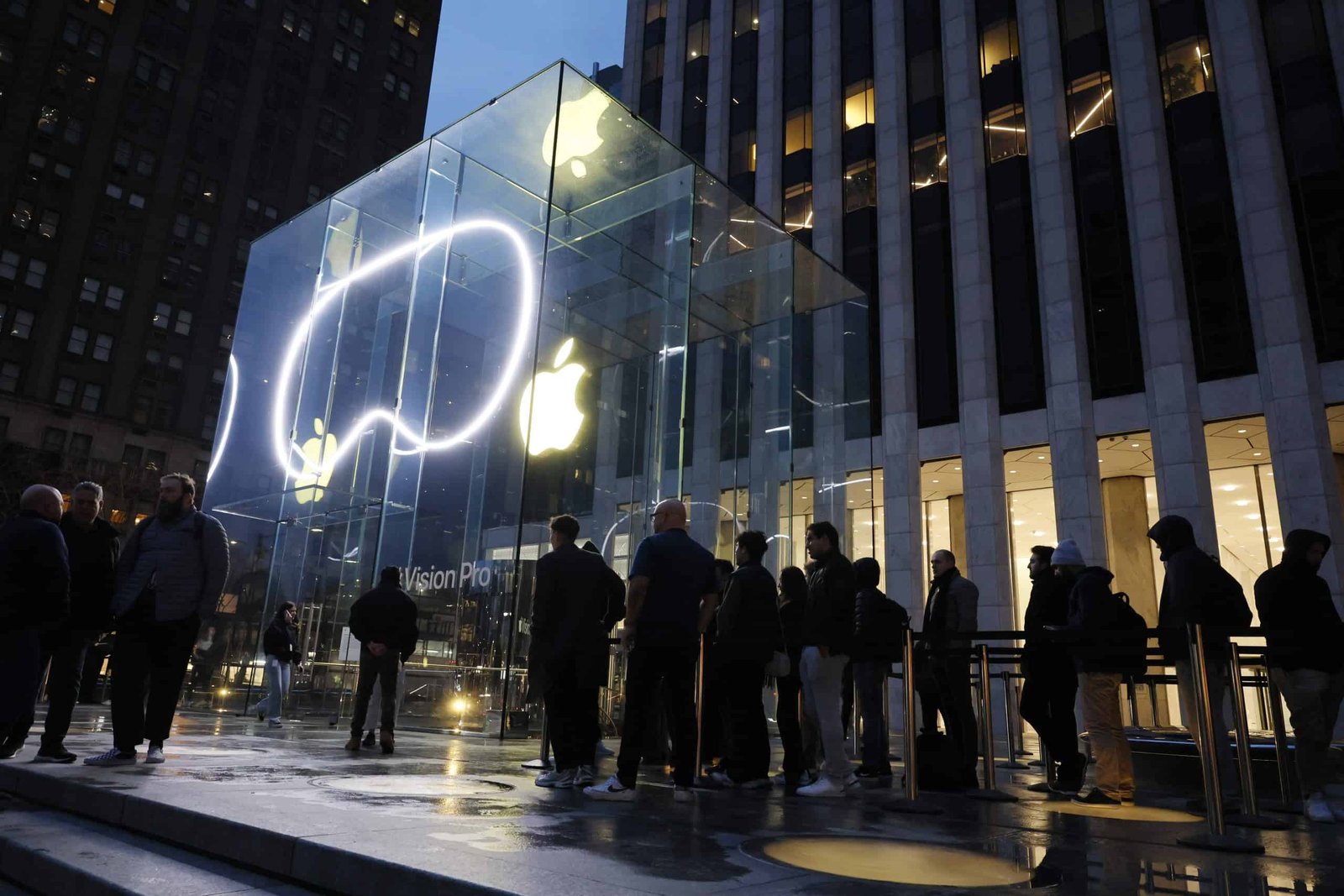
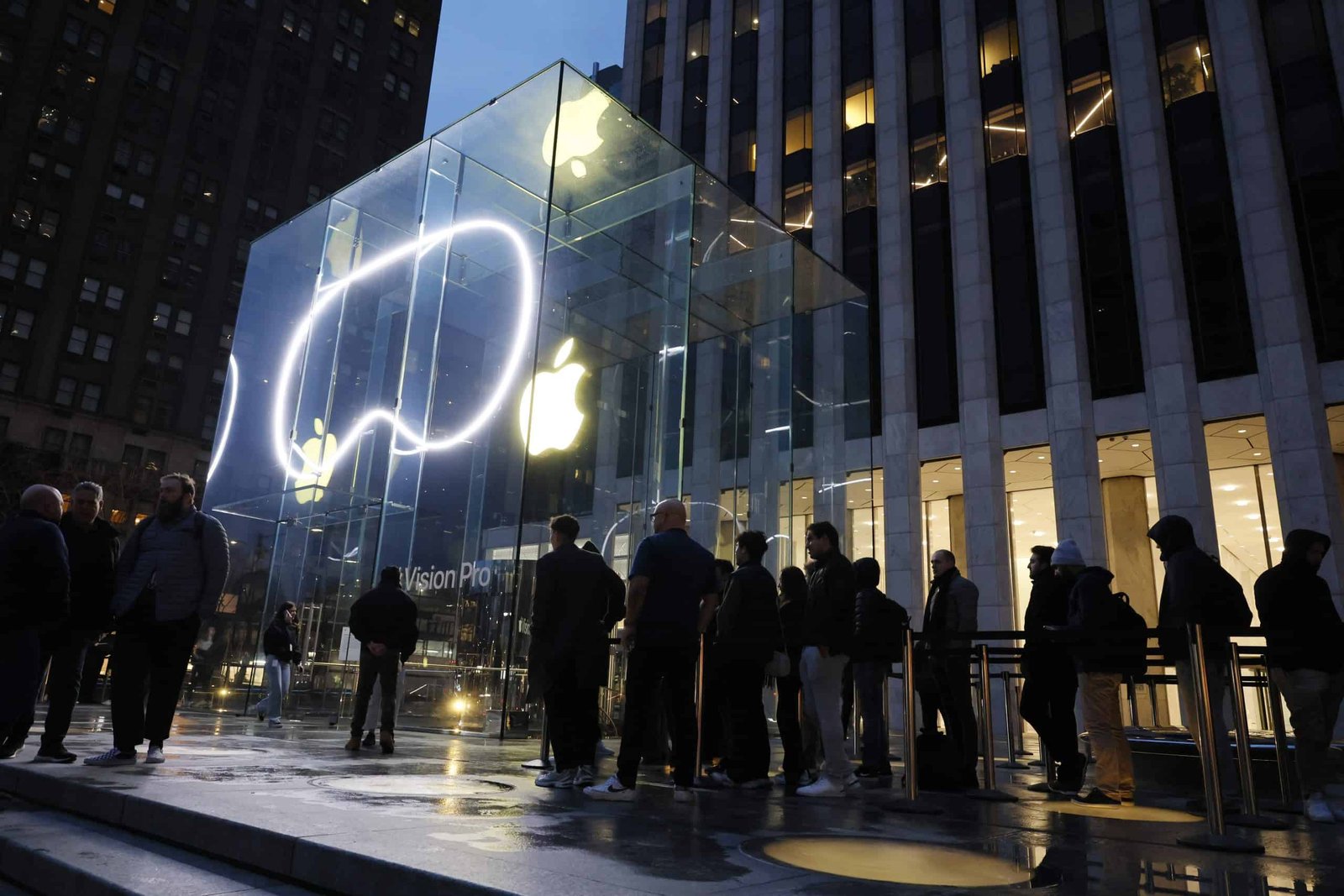
    © 2024 Getty Images / Getty Images News via Getty Images

    If you bought Goldman Sachs Nasdaq-100 Core Premium Income ETF (NYSEARCA:GPIQ) at launch expecting to capture the Nasdaq-100’s upside while collecting high monthly income, you may have been disappointed in July. Apple (NASDAQ:AAPL | AAPL Price Prediction), the fund’s largest single exposure, ripped 15.23% higher in the month on a blockbuster earnings beat. GPIQ fell 6.1% during the same period. That performance gap reflects the fund’s strategy working exactly as designed.

    What You’re Actually Paying

    GPIQ has an expense ratio of 0.29% a year, or roughly $29 annually per $10,000 invested. Set against Invesco QQQ Trust (NASDAQ:QQQ), the mainstream Nasdaq-100 mirror commonly quoted around 0.20% ($20 per $10,000), the fee gap looks trivial. Over 20 years, that spread compounds to just a few hundred dollars.

    The higher cost sits elsewhere. Since GPIQ launched on October 26, 2023, the fund’s total return with distributions reinvested is 89.08%. QQQ climbed 89.21% on price alone from October 2, 2023, before you add QQQ’s own dividend stream. Apple, the top holding, returned 94.31% over that stretch. Even with the addition of the premium income stream, GPIQ underperformed when compared to QQQ and its top holding.

    The Part the Factsheet Doesn’t Highlight

    GPIQ layers a dynamic call overlay on a Nasdaq-100 basket. The manager sells call options against the portfolio to harvest premium, which becomes the “core premium income” in the name. Every dollar of premium collected comes with a ceiling attached. When names like Apple rally past the strike price of the written call, the fund owes the option buyer the difference, and that gain leaves the shareholder’s pocket.

    Apple’s July run shows the trade in detail. The company reported Q3 FY26 EPS of $2.02 versus $1.89 expected, a 6.8% beat, with revenue up 16.36% and iPhone revenue climbing to $54.25 billion. Tim Cook called it Apple’s “strongest June quarter ever, with double-digit revenue growth across iPhone, Mac and Services.” During this time, GPIQ collected its option premium and handed the rally over.

    Distributions carry a second, more subtle cost. Covered-call income funds routinely classify a portion of monthly payouts as return of capital, which lowers your cost basis rather than paying you true earned income. That defers tax rather than eliminating it, and it means the yield printed on the marketing page is not all fresh money. If you hold GPIQ in a taxable account, check the fund’s 19a notices before you spend the check.

    The Cheaper Mirror

    QQQ holds the same 100 Nasdaq names at cap weights, charges less, and writes no calls against your winners. At the same time, QQQ pays a modest dividend and lets Apple, Microsoft, and Nvidia compound uncapped.

    Since GPIQ’s inception, QQQ has climbed 89.21% on price alone, and its trailing one-year return of 20.34% tracked close to GPIQ’s 21.04% total return despite carrying no income sleeve.

    The trade-off is real: QQQ’s yield sits under 1%, while GPIQ targets high single-digit annualized income. If you need cash now, GPIQ can deliver. However, if you need growth compounding for decades, the simpler product has done the same job with the cap removed.

    What This Means for You

    The question worth asking is whether the premium income of GPIQ is compensating you for the biggest winners you are quietly forfeiting. In a flat and/or choppy market, the overlay could earn its keep. That said, in a Nasdaq rally driven by a handful of mega-caps like Apple, it charges a fee that never shows up on the expense-ratio line.

    Contact [email protected] for any questions or corrections.


    Source link

    Share. Facebook Twitter Pinterest LinkedIn Tumblr Telegram Email

    Related Posts

    Banks Offload Risk from Leveraged ETFs With Exotic ‘Crash Puts’

    August 2, 2026

    Dogecoin Price Prediction as DOGE ETFs Post Worst Month Since Launch

    August 1, 2026

    Ways to Invest in Chinese Yuan: ETFs, ETNs, and More

    August 1, 2026
    Leave A Reply Cancel Reply

    Top Posts

    Apple Soared 15% in July, but GPIQ Holders Lost 6%: The Hidden Options Tax on Covered-Call ETFs

    August 2, 2026

    The Shifting Landscape of Art Investment and the Rise of Accessibility: The London Art Exchange

    September 11, 2023

    Charlie Cobham: The Art Broker Extraordinaire Maximizing Returns for High Net Worth Clients

    February 12, 2024

    The Unyielding Resilience of the Art Market: A Historical and Contemporary Perspective

    November 19, 2023
    Don't Miss
    Mutual Funds

    Looking for top SIP performers? These 7 equity mutual funds delivered over 20% returns in 10 years

    August 2, 2026

    A decade of disciplined SIP investing has rewarded investors handsomely in a select group of…

    Small-cap funds lead FY27 so far, beating mid, flexi and large-cap funds; JM Small Cap tops chart with over 32% return

    August 2, 2026

    No international funds open? These 15 domestic funds still hold foreign equities — two schemes have over 26% allocation

    August 2, 2026

    Apple Soared 15% in July, but GPIQ Holders Lost 6%: The Hidden Options Tax on Covered-Call ETFs

    August 2, 2026
    Stay In Touch
    • Facebook
    • Twitter
    • Pinterest
    • Instagram
    • YouTube
    • Vimeo
    EDITOR'S PICK

    Why foreign investors are buying Canadian government bonds in record numbers

    June 30, 2026

    Canadian Investors: 2 International ETFs for Easy Diversification and Income

    December 5, 2025

    How to invest in mutual funds  – Nairametrics

    November 19, 2025
    Our Picks

    Looking for top SIP performers? These 7 equity mutual funds delivered over 20% returns in 10 years

    August 2, 2026

    Small-cap funds lead FY27 so far, beating mid, flexi and large-cap funds; JM Small Cap tops chart with over 32% return

    August 2, 2026

    No international funds open? These 15 domestic funds still hold foreign equities — two schemes have over 26% allocation

    August 2, 2026
    Most Popular

    🔥Juve target Chukwuemeka, Inter raise funds, Elmas bid in play 🤑

    August 20, 2025

    💵 Libra responds after Flamengo takes legal action and ‘freezes’ funds

    September 26, 2025

    ₹9000 monthly SIP can help you retire at 45 with ₹2 lakh monthly pension

    May 5, 2026
    © 2026 Fund Focus News
    • Get In Touch
    • Privacy Policy
    • Terms and Conditions

    Type above and press Enter to search. Press Esc to cancel.