
Close Menu
Fund Focus News
    Facebook X (Twitter) Instagram
    Trending
    • BT Explainer: What are smallcase mutual fund portfolios? How the new offering works for investors
    • High-Potential 5-Year Mutual Funds
    • Parag Parikh Mutual Fund launches ₹250 SIP: What investors should note
    • smallcase bets on managed mutual fund portfolios to simplify investing
    • CI Global Asset Management Announces Name Changes for 37 Former Invesco Mutual Funds and ETFs
    • Why Investors Are Exploring Hybrid Mutual Funds and Balanced Advantage Fund Options?
    • PPFAS Launches Rs 250 Choti SIP in Parag Parikh Funds: What Investors Should Know – Money Insights News
    • Sustainability bonds and why they are becoming popular
    Facebook X (Twitter) Instagram
    Fund Focus News
    • Home
    • Bonds
    • ETFs
    • Funds
    • Investments
    • Mutual Funds
    • Property Investments
    • SIP
    Fund Focus News
    Home»ETFs»Are passive or active ASX ETFs a better investment choice?
    ETFs

    Are passive or active ASX ETFs a better investment choice?

    June 2, 2026


    A new report from Global X has explored the pros and cons of passive and active ASX ETFs. 

    The decision between active and passive is an important one for investors. 
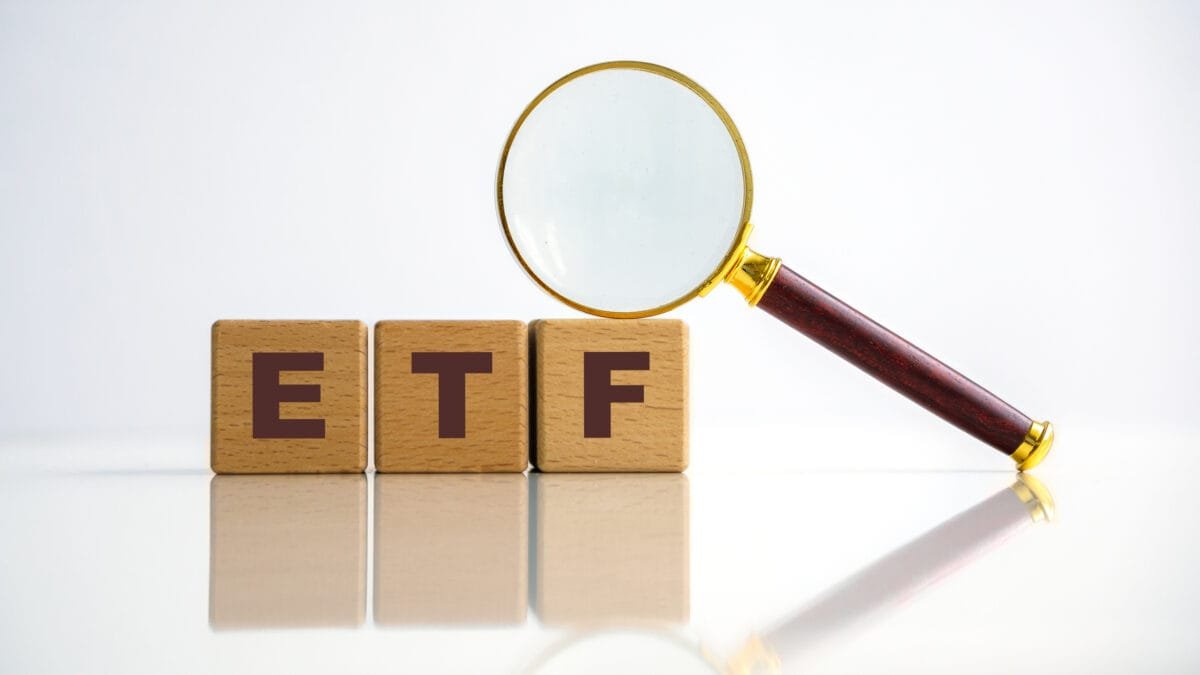
    ETF written on wooden blocks with a magnifying glass.

    Image source: Getty Images

    What’s the difference?

    There are now hundreds of ASX ETFs for investors to choose from. 

    ETF providers design these products in many different ways. 

    One key distinction is whether the fund simply tracks an index or is actively managed to beat the returns of an index. 

    Passive ETFs aim to track a market index. They follow a rules-based approach, holding securities in the same proportions as a benchmark such as a broad equity index like the largest 300 companies in Australia or a bond index.

    An example would the Global X Australia 300 ETF (ASX: A300). 

    It seeks to provide investors with a return that tracks the performance of the FTSE Australia 300 Index.

    Meanwhile, active ETFs aim to beat the market and do not track an index. 

    Portfolio managers make investment decisions, such as selecting securities, adjusting exposures, and responding to market conditions, in an effort to generate excess returns above the index.

    Understanding fees 

    According to Global X, fees are often the most visible but misunderstood difference between the two approaches.

    Passive ETFs are typically much cheaper because they don’t require research teams or frequent trading. 

    Average expense ratios sit around 0.36% per year for passive ETFs (i.e. $36 per year for a $10,000 investment) versus roughly 0.78% for active ETFs (i.e. $78 per year for a $10,000 investment).

    The $42 per year gap in fees may seem small, but over time it compounds. Higher fees reduce net returns year after year, which is why cost is often described as one of the few variables investors can control.

    Why passive has gained market dominance 

    The report from Global X highlighted that passive investing has grown rapidly over the past two decades for the following reasons:

    • Consistent returns – Passive ETFs are designed to deliver the return of the market. They also avoid the risk of underperformance tied to poor manager decisions and avoids key person risk if a particular fund manager decides to leave.
    • Lower costs – With minimal trading and no need for stock-picking teams, passive ETFs pass cost savings directly to investors. Lower trading costs, reduced tax impacts, and lower overall fees all help ensure more of the returns remain in investors’ pockets.
    • Transparency and simplicity – Investors can easily understand what they own, as passive ETF holdings are typically disclosed daily and tied directly to an index. Active ETFs typically don’t disclose their full holdings and sometimes only periodically reveal them with a three-month lag.
    • Long-term evidence – After fees, many active managers struggle to consistently outperform benchmarks over long periods.

    These factors have led to a market dominance in terms of funds under management for passive ASX ETFs. 

    A blended approach 

    According to Global X, there is a case to be made for a combination of both ASX ETFs. 

    Active ETFs may justify their higher fees when investors seek access to niche opportunities, enhanced risk management, or exposure to less efficient markets. In these cases, skilled managers can potentially add value. 

    They can also serve as a tactical complement to a broader passive investment portfolio.

    Ultimately, the most effective portfolios are not built on ideology but on thoughtful allocation, where cost, conviction, and context all play a role.


    Source link

    Share. Facebook Twitter Pinterest LinkedIn Tumblr Telegram Email

    Related Posts

    These 2 Dividend ETFs Are Beating the S&P 500 — Which Should You Buy?

    June 2, 2026

    Want Exposure to SpaceX? These 2 ETFs May Be the Ticket.

    June 2, 2026

    XRP ETFs Pulled In $131M in May While Bitcoin Funds Bled For 10 Straight Days

    June 1, 2026
    Leave A Reply Cancel Reply

    Top Posts

    The Shifting Landscape of Art Investment and the Rise of Accessibility: The London Art Exchange

    September 11, 2023

    BT Explainer: What are smallcase mutual fund portfolios? How the new offering works for investors

    June 2, 2026

    Charlie Cobham: The Art Broker Extraordinaire Maximizing Returns for High Net Worth Clients

    February 12, 2024

    The Unyielding Resilience of the Art Market: A Historical and Contemporary Perspective

    November 19, 2023
    Don't Miss
    Mutual Funds

    BT Explainer: What are smallcase mutual fund portfolios? How the new offering works for investors

    June 2, 2026

    smallcase has expanded beyond stocks and ETFs with the launch of Mutual Fund model portfolios,…

    High-Potential 5-Year Mutual Funds

    June 2, 2026

    Parag Parikh Mutual Fund launches ₹250 SIP: What investors should note

    June 2, 2026

    smallcase bets on managed mutual fund portfolios to simplify investing

    June 2, 2026
    Stay In Touch
    • Facebook
    • Twitter
    • Pinterest
    • Instagram
    • YouTube
    • Vimeo
    EDITOR'S PICK

    Size Doesn’t Kill MF Performance

    March 28, 2026

    STEM project at Whitehaven High up in the air after funding concerns

    August 8, 2024

    Equity MF inflows fall 14% in March despite market rebound; sectoral funds see steep drop

    April 11, 2025
    Our Picks

    BT Explainer: What are smallcase mutual fund portfolios? How the new offering works for investors

    June 2, 2026

    High-Potential 5-Year Mutual Funds

    June 2, 2026

    Parag Parikh Mutual Fund launches ₹250 SIP: What investors should note

    June 2, 2026
    Most Popular

    🔥Juve target Chukwuemeka, Inter raise funds, Elmas bid in play 🤑

    August 20, 2025

    💵 Libra responds after Flamengo takes legal action and ‘freezes’ funds

    September 26, 2025

    ₹9000 monthly SIP can help you retire at 45 with ₹2 lakh monthly pension

    May 5, 2026
    © 2026 Fund Focus News
    • Get In Touch
    • Privacy Policy
    • Terms and Conditions

    Type above and press Enter to search. Press Esc to cancel.