
Monetary Credit Policy Report released
‘Capital market needs structural improvement’
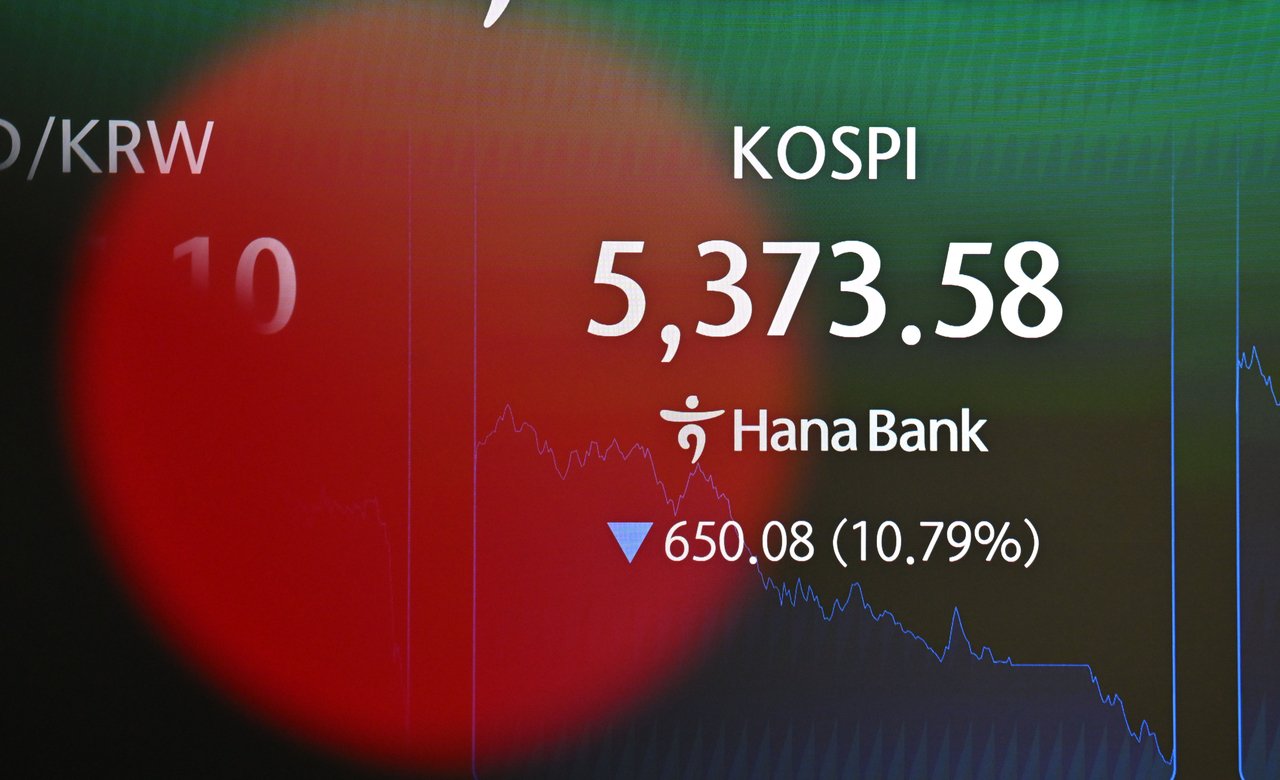
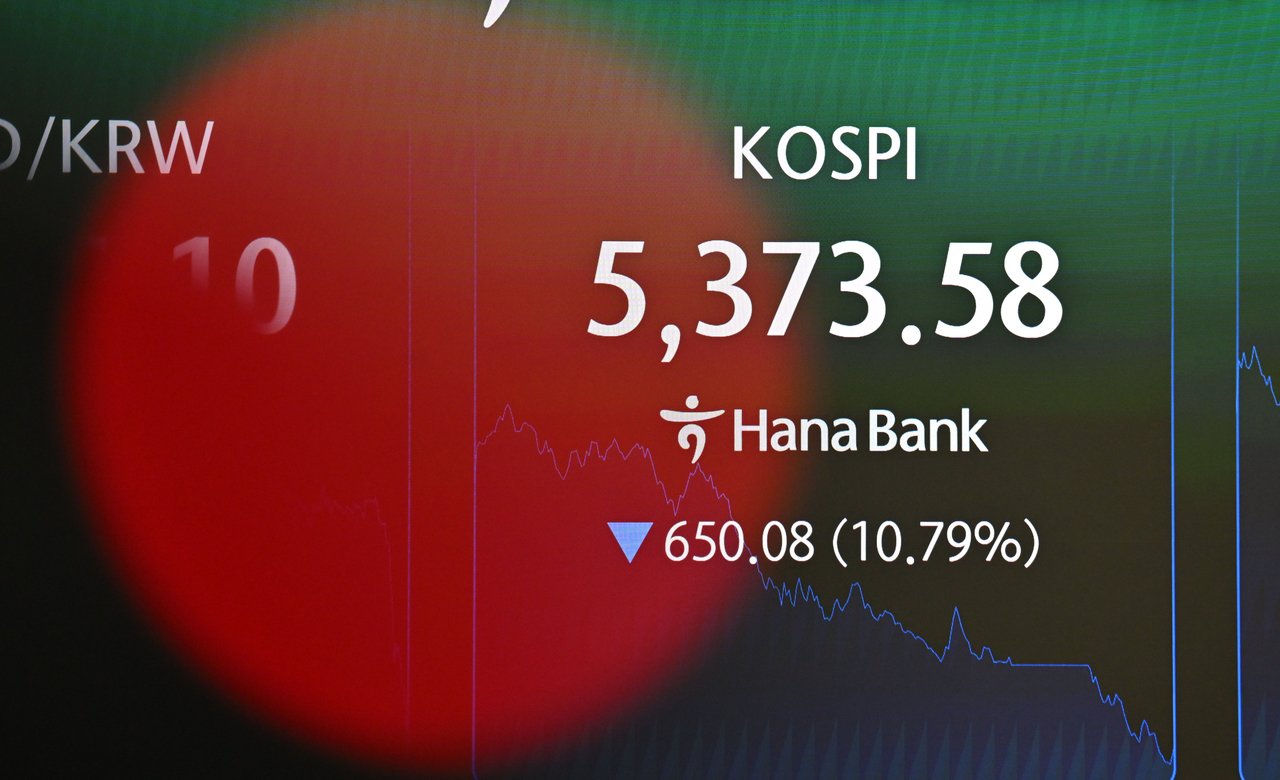
The Bank of Korea said speculative demand for leveraged ETFs (exchange-traded funds) amplified share price volatility during the Kospi’s recent sharp swings. The central bank also called for stronger short-term monitoring and structural improvements to the capital market over the medium to long term.
In its “Monetary Credit Policy Report” released Thursday, the Bank of Korea said, “A surge in leveraged ETF investment, driven by expectations of a sustained rise in share prices, also acted as a factor expanding share price volatility from the demand-supply side.”
“As leveraged investment in domestic shares expanded in international financial markets, hedge-related trading in domestic spot and futures markets also increased, causing unexpected ripple effects,” it added.
The assessment marks a reversal from roughly three months ago. In its Financial Stability Report released in June, the central bank had said that single-stock leveraged ETFs had a “limited impact on the market, considering the market capitalization and trading volume of the underlying assets.”
The Bank of Korea said the relatively sharp share price gains of a small number of chipmakers, including Samsung Electronics and SK hynix, drove up overall market volatility. As sensitivity to changes in the memory chip industry outlook rose, a sharp drop in chipmaker shares since June triggered a significant correction in the Kospi as well.
As the Kospi rose from 8,000 to 9,000, Samsung Electronics and SK hynix together accounted for an estimated 99 percent of the index’s gains, with Samsung Electronics contributing 44.7 percent and SK hynix 54.3 percent. When the Kospi fell from 9,100 to 5,500, the two stocks combined accounted for 69.3 percent of the decline, with Samsung Electronics responsible for 29.8 percent and SK hynix for 39.6 percent.
Large-scale technical selling by foreign investors booking profits and rebalancing portfolios also worsened supply and demand conditions. In addition, retail investors’ debt-funded stock investment, which had expanded to a record high, was later unwound, further heightening share price volatility.
“In the short term, we need to strengthen monitoring of leveraged ETFs and debt-financed stock investment, while in the medium to long term, we should improve the resilience of the market by easing market concentration in specific sectors and companies and expanding the investor base to improve the capital market’s structural soundness,” the Bank of Korea said.
Deputy Governor Park Jong-woo told a press briefing that morning, “We believe expectations about the memory chip industry had the biggest impact on share price volatility.” He added, “The size of leveraged ETFs has decreased, but the situation is not one we can be complacent about, so our position is that we need to continue monitoring.”

kimstar@heraldcorp.com
This content was produced with the assistance of AI translation services.