
Key Takeaways
- The Chinese yuan is gaining acceptance as the Chinese economy grows, providing more investment opportunities worldwide.
- Investors can hold cash in yuan through accounts at Bank of China branches in the U.S.
- ETFs and ETNs mirroring yuan performance have decreased, limiting investment options.
- Yuan futures and forex trading offer leveraged investment options but come with increased risk.
- Capital controls in China limit the free flow of the yuan, affecting its potential as a global reserve currency.
Get personalized, AI-powered answers built on 27+ years of trusted expertise.
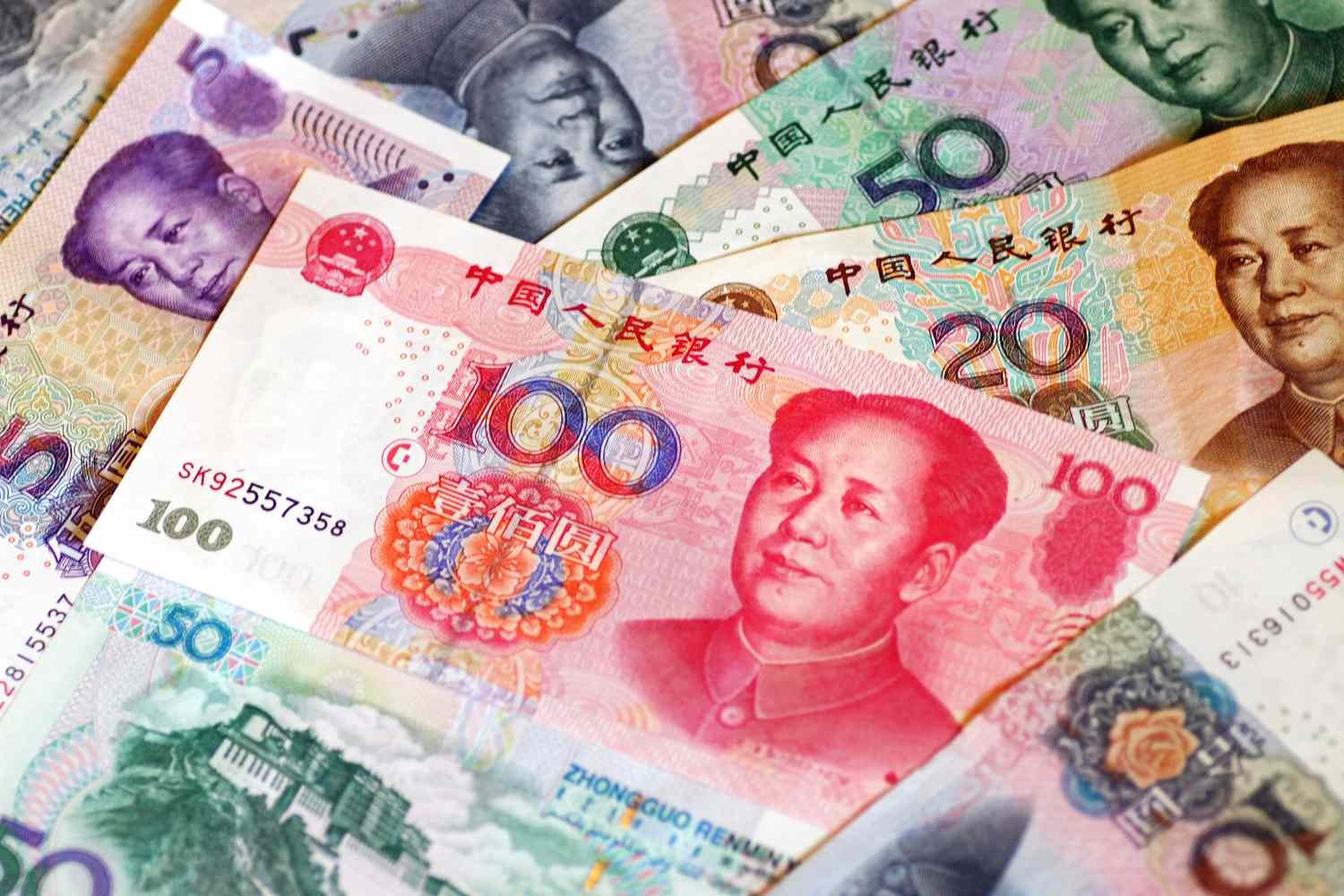
As the Chinese economy becomes a more dominant player in international trade and the yuan continues to gain more acceptance, more and more investors are looking for ways to obtain exposure to the Chinese currency. The yuan may no longer be officially pegged to the dollar. However, its value is still carefully managed within a range.
The currency has been becoming more readily accessible to investors lately. Investors have several yuan investment options, including purchasing yuan directly and holding it in cash, investing in funds that hold the Chinese yuan, and buying yuan futures contracts through forex brokers. However, there are nuances to each investment.
Why Consider Investing in the Chinese Yuan
In 2015, the People’s Bank of China enacted a surprise historic devaluation of the yuan, which spooked investors. Since then, the central bank has become a bit more careful with how it manages the currency. However, the trend of declining value versus the dollar has generally continued. The price of a dollar was around 6.20 yuan early in 2015, and more than 7.77 yuan were needed to buy a dollar in July 2026.
China’s Economic Power and Investment Opportunities
While the Chinese economy continues to grow, its growth rate is slowing. The company faces numerous economic challenges such as one of the world’s worst demographic situations. Huge numbers of Chinese workers are reaching retirement age without young people to replace them. The country also faces challenges from high debt, a real estate crisis, weaker foreign-investment inflows, and cautious foreign-investor sentiment.
That said, China is still the world’s second-largest economy and a major player on the world economic stage. Its economy exhibits characteristics of both an emerging market economy and a developed one. The yuan is gaining substantially greater acceptance worldwide, due to the Chinese government seeking a large role in global economic affairs.
China’s commitment to attaining a more prominent position in the global financial economy is reflected in the establishment of the Asian Infrastructure Investment Bank (AIIB) and the Contingent Reserve Arrangement, a sort of mini-IMF for the Asia-Pacific region.
The Role of the Chinese Yuan in Global Finance
Further bolstering the status of China, the International Monetary Fund (IMF) added the Chinese renminbi to the SDR currency basket to be used, in part, for central bank transactions. SDRs may be held and exchanged by IMF members and approved holders. Renminbi and yuan are often used interchangeably as the name of China’s currency. Technically, the name of the currency is renminbi, and the unit of denomination is yuan.
Other currencies that are considered reserve currencies include the U.S. dollar, the euro, the British pound, and the Japanese yen. The elevation of the renminbi’s status allows it to be used more frequently in global trade and international financial transactions.
Understanding China’s Capital Controls
However, the Chinese government still controls and closely manages the value of the yuan and has capital controls in place. These controls prevent Chinese citizens from moving money out of China, and also cause problems for the businesses of foreign companies and investors. Until China can freely float its currency and allow the free movement of capital investment in and out of the country, it’s unlikely that the yuan will replace the U.S. dollar as the world’s reserve currency. The U.S. dollar is the dominant reserve currency and is widely used in commodity pricing, including oil and gold, as well as to facilitate global trade transactions. Nevertheless, it’s fair to say that the Chinese currency is on the path to becoming a larger player in international transactions.
How to Hold Cash in Chinese Yuan
BOC U.S.A. offers RMB-denominated savings and CD products through its New York and Queens branches, alongside U.S.-dollar deposit accounts. There are additional locations in Chicago and Los Angeles, but they are only for corporate clients. Account holders can withdraw in renminbi and in dollars, although not every account type or account holder necessarily has unrestricted withdrawals in both currencies. As long as they hold money in these accounts, investors benefit from any appreciation in the value of the Chinese currency. Realized gains depend on exchange rates, conversion timing, and bank fees/spreads.
EverBank (formerly TIAA Bank), through its WorldCurrency Access Deposit accounts, also offers the opportunity to establish a bank account for holding a variety of foreign currencies, including Chinese yuan. The account requires a minimum $2,500 opening deposit, or $100 per month through an automatic purchase plan. They are IRA-eligible, and a monthly maintenance fee may apply. However, currency conversions are charged a spread of up to 1%, which is built into or added to the exchange rate conversion.
Leveraging ETFs and ETNs for Yuan Investment
Another way to invest in the yuan is through exchange-traded funds (ETFs) designed to perform in accordance with the value of the Chinese currency.
Unfortunately, several yuan-focused exchange-traded products, including CYB and CNY, have been liquidated, matured, or delisted. Some exchange-traded products offering CNY/USD exposure, such as WisdomTree Long CNY Short USD in Europe, may still exist, but investors will have a harder time going down this route.
Exploring Yuan Futures and Forex Trading Options
Investors wishing to maximize investment in the yuan through the use of leveraged investments may consider currency futures or forex market trading. Leveraged transactions use borrowed funds to enhance the gains or returns on an investment. However, just as leverage can magnify gains, it can also magnify losses.
Yuan/renminbi currency futures are traded on the Chicago Mercantile Exchange (CME). Futures options on the yuan are also available. Futures are derivatives since they derive their value from the underlying investment. Futures contracts can be used to speculate on currencies and commodities. However, futures have preset expiration dates and are standardized, unlike forward contracts that allow customized amounts and settlement dates.
A limited number of forex brokers offer trading in the U.S. dollar-yuan currency pair (designated as USD/CNY). Since these types of investments are highly leveraged, they are only appropriate for investors who are willing to accept the higher level of risk that accompanies the substantially higher level of potential return.
The Bottom Line
The Chinese yuan is becoming more accessible to investors as China’s economy grows and global acceptance increases. Investors can gain exposure to the yuan through savings or deposit accounts in yuan, exchange-traded funds (ETFs), or exchange-traded notes (ETNs). Direct currency investments, such as futures contracts and forex trading, offer higher risk and potential returns through leverage.
Capital controls remain a challenge for yuan liquidity and global currency status. China’s currency, officially the renminbi, is considered a reserve currency by the International Monetary Fund (IMF).