
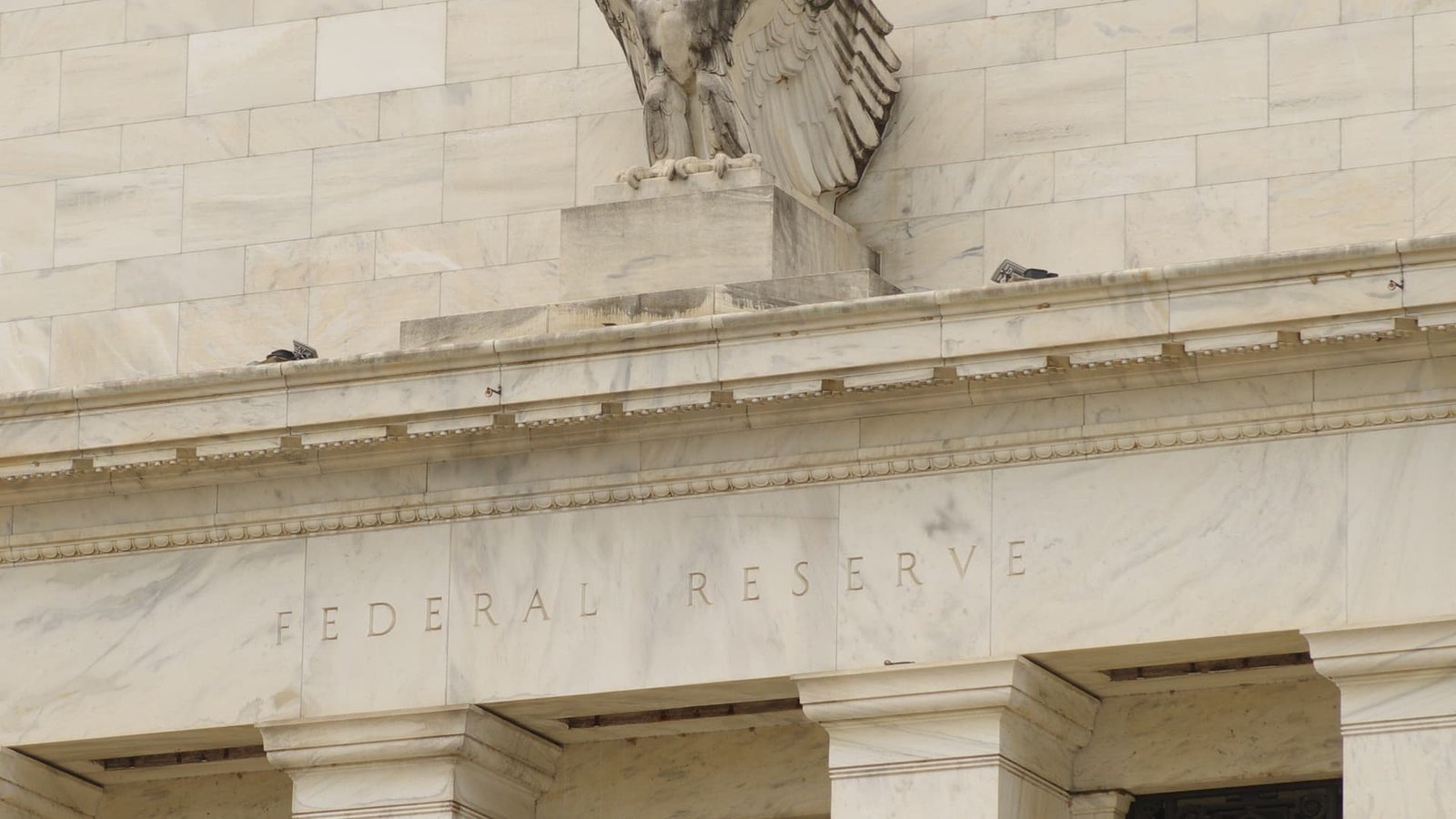
Set by the Federal Reserve, the federal funds rate is the target interest rate range at which commercial banks and other depository institutions charge each other to borrow excess reserves, usually overnight.
While it applies only to interbank loans, it’s the Fed’s most powerful tool for driving economic activity. Changes in the federal funds rate influence broader financial conditions, including borrowing costs for credit cards, personal loans, auto financing, business loans and more.
The Federal Reserve raises the fed funds rate to cool down inflation. In theory, higher borrowing costs discourage consumers from spending. That prompts sellers to lower prices, causing inflation to subside.
However, slowing economic activity too much can lead to rising unemployment and even a recession. To counter that, the Federal Reserve lowers its target rate in hopes of encouraging more spending.
Looking to consolidate debt or make home improvements? Consider these personal loan offers.
Offers in this section are from affiliate partners and selected based on a combination of engagement, product relevance, compensation, and consistent availability.

Annual Percentage Rate (APR)
What is the federal funds rate?
Set as a target range by the Federal Reserve System, the federal funds rate is the interest rate at which banks lend reserve balances to each other overnight. Individual banks negotiate a specific rate within the range established by the Fed.
Historically, federal regulations required banks to hold a fraction of deposits as reserves, and banks lent and borrowed to meet those minimums.
Reserve requirement ratios were set to zero in 2020, but banks continue to hold reserves today in order to maintain liquidity, settle payments and meet broader regulatory rules.
How is the federal funds rate determined?
The Federal Reserve’s Federal Open Market Committee (FOMC), which has 12 voting members, meets eight times a year to set the federal funds rate target, which influences the interest rate banks charge each other for overnight borrowing.
Depending on inflation, labor market conditions and other economic factors, the FOMC will adjust the rate to make borrowing more or less expensive.
Since December 2025, the Fed has kept the target rate in the 3.50% to 3.75% range.
How does the federal funds rate affect interest rates?
When the Fed raises its target rate, banks typically increase the interest rates they charge on loans and, in many cases, raise returns on savings accounts and CDs. Lowered rates, on the other hand, make borrowing costs and savings rates generally move in the opposite direction.
Paying attention to the federal funds rate can help consumers make smart financial decisions. When rates are falling, it may be a good time to consider financing a car or another large purchase, since borrowing costs often decline. When rates are rising, savers may benefit from putting money into a high-yield savings account or CD, which tend to offer higher yields.
FAQs
What is the federal funds rate?
A target range set by the Federal Reserve System, the federal funds rate is the interest rate at which banks lend reserve balances to one another overnight. Banks that hold excess reserves may lend them to institutions that need additional reserves to meet regulatory or liquidity needs.
Why does the Fed adjust the federal funds rate?
The Fed adjusts the federal funds rate to reduce inflation and support a strong labor market. Borrowing becomes cheaper when the Fed lowers the target rate, which encourages economic growth. When the Fed raises its rate, borrowing becomes more expensive. That means higher rates on credit cards, loans and more, but it also tamps down inflation.
How does the federal funds rate affect consumers?
While it only directly applies to interbank lending, the fed funds rate can have a profound effect on a variety of financial sectors, including credit card and personal loan rates, auto financing, business loans and adjustable-rate mortgages. Because it influences consumer behavior and corporate investments, the target rate can also affect stock prices.
Subscribe to the CNBC Select Newsletter!
Money matters — so make the most of it. Get expert tips, strategies, news and everything else you need to maximize your money, right to your inbox. Sign up here .
Editorial Note: Opinions, analyses, reviews or recommendations expressed in this article are those of the Select editorial staff’s alone, and have not been reviewed, approved or otherwise endorsed by any third party.