
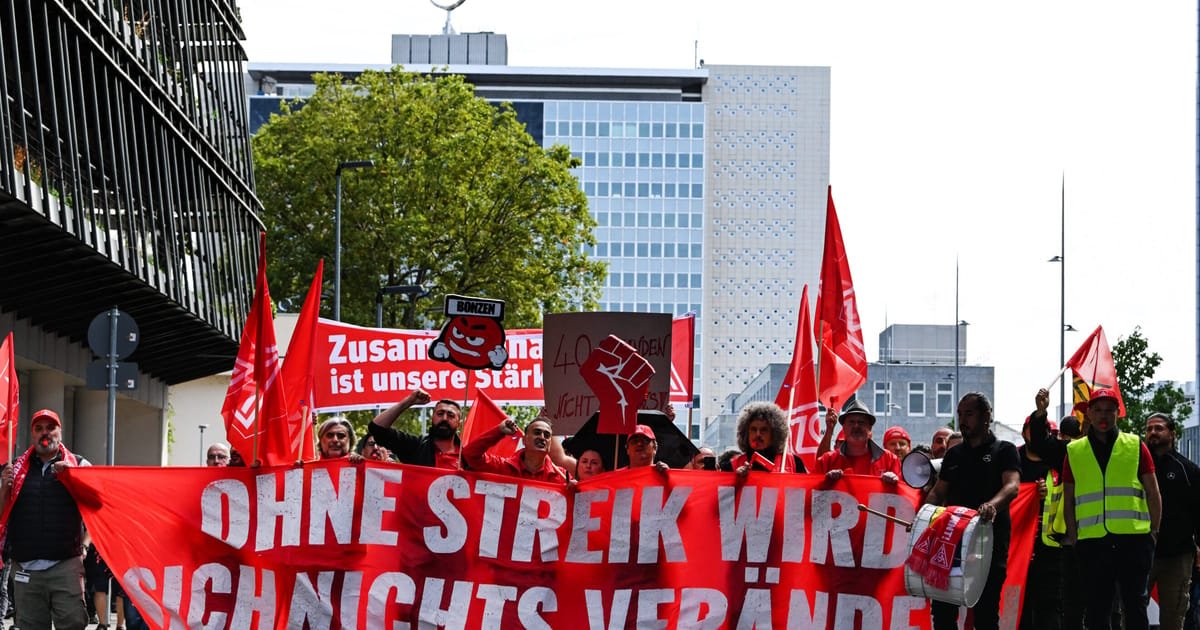
“I am fully aware that the 35-hour week was hard fought for and means a great deal to many colleagues,” Britta Seeger, a member of the automaker’s management board, told employees, according to the internal document. “We are not questioning it lightly. But the conditions under which it was agreed no longer exist in the same form today.”
Mercedes is also “reviewing additional elements of compensation and special payments, including voluntary benefits such as profit-sharing as well as collectively agreed components such as vacation and Christmas bonuses,” Seeger said.
The industry is facing headwinds including tariff costs, high energy prices and increased competition from Chinese carmakers.
Like its German peers, Mercedes is also losing market share in China, which had helped subsidize costs in Germany. In October, the luxury brand said its Chinese sales dropped 31% year-over-year in the third quarter, far more than anticipated.