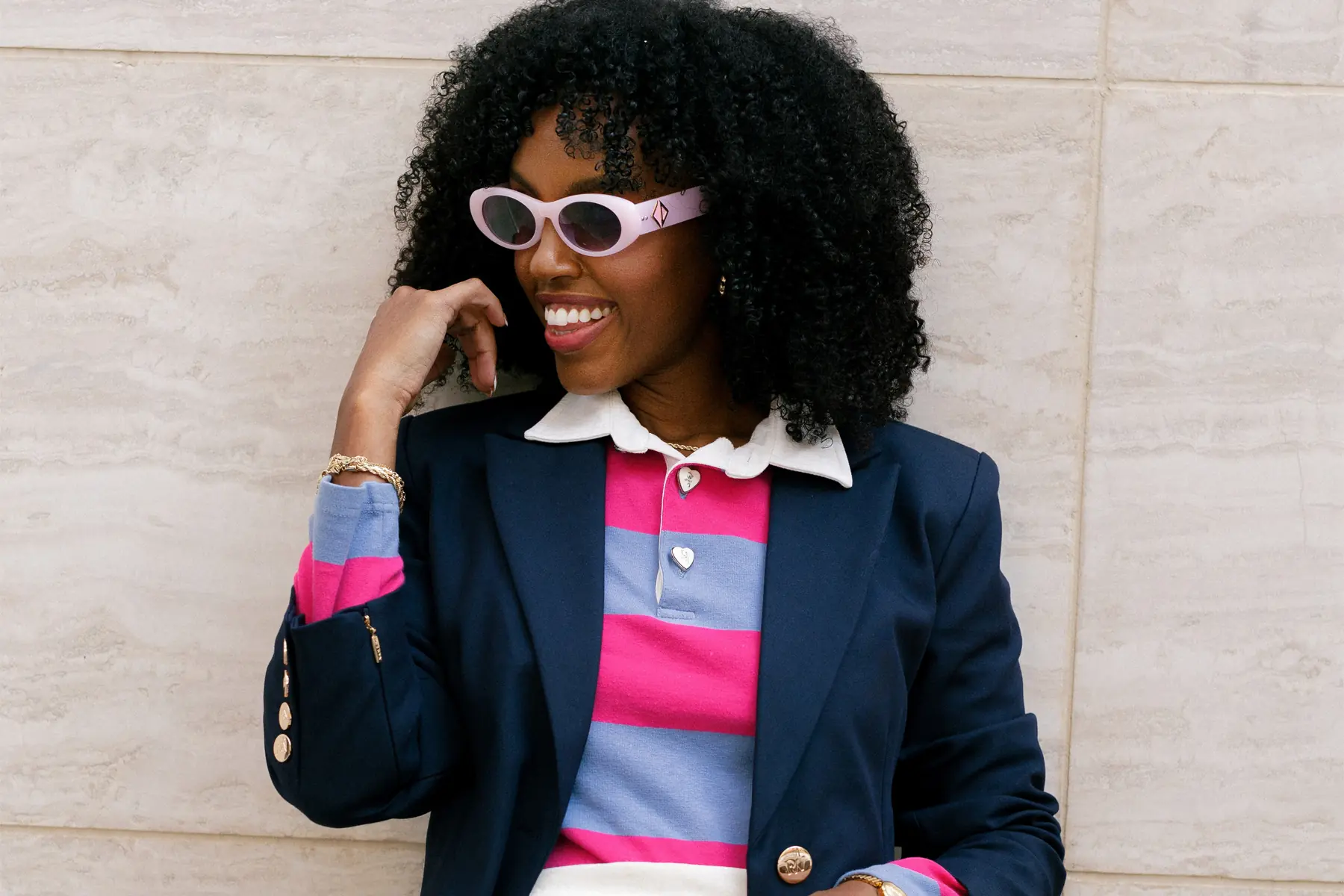
With the holiday shopping season upon us, why not opt for a gift founded in the Dallas-Fort Worth area? From edible to wearable, there are plenty of options as reported by the D CEO editorial team through the year. Get a behind-the-scenes look at how some of these local businesses came to be below, and for more local offerings, take a look at the 2025 D CEO Gift Guide.
Sensori: Rethinking the Cocktail
Shanna Pearre turned her “Dry January” experience into a nonalcoholic cocktail startup with over $100,000 in funding.
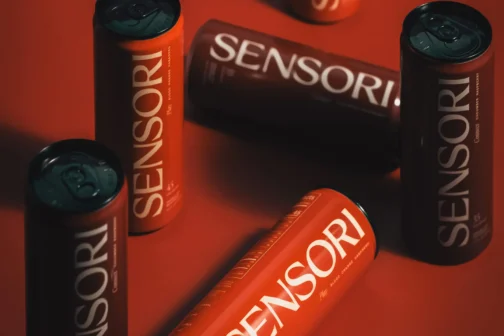
When Shanna Pearre graduated from Texas State University, she was an expectant mother launching a career in PR. After starting out at FleishmanHillard, she began moonlighting as an independent strategist—work that sparked an interest in building brands rather than simply promoting them. Trying Dry January in 2023 gave her the push she needed. During that month, she tried a variety of nonalcoholic cocktails, but many of them failed her taste test. That experience became the foundation for Sensori, a nonalcoholic beverage brand she started with two longtime friends. Launched in early 2025, Sensori gained traction with an activation at CultureCon in New York. The startup has since raised more than $100,000 and was named a finalist in AT&T’s 2025 Dream in Black Small Business Contest. The team is preparing for broader retail expansion in 2026.—Sarah Knowlton
Oilogic: Baby-Care, But Better
Two moms turned their frustrations into an essential oil-based product line now sold in 20,000 retail locations.
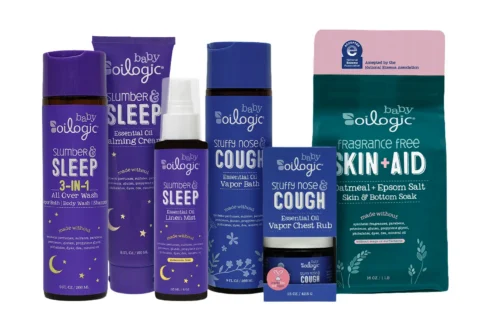
Walking the baby aisle, Dallas moms Jordan Morrow and Worth Anne Herrell saw a gap. The options were limited, the ingredient lists uninspiring—and for products meant for infants, that wasn’t good enough. “We thought there had to be something better,” Morrow says. So, the pair launched Oilogic to offer essential oil-based products designed to soothe ailments, from coughs and runny noses to dry skin and sleep issues. The items are pediatrician- and dermatologist-tested and free from parabens, petroleum, mineral oil, and phthalates. Today, Oilogic is carried in 20,000 stores nationwide, including Walmart, CVS, and H-E-B, with revenue projected to top eight figures this fiscal year. For Morrow and Herrell, success hasn’t altered the mission. “I love seeing other moms recommend us,” Herrell says. “That’s the most fulfilling part.”—James Cancelarich
Hälsa Nordic Saunas: Turning Up the Heat
Fort Worth’s Nic and Natalie Pettersson are betting that luxury saunas are the next big in-home amenity.
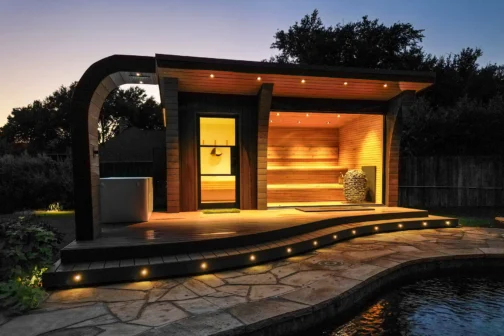
For Nic Pettersson, saunas were never a wellness trend. Growing up in a family with Swedish roots, they were simply a way of life. In Sweden, where sauna culture remains deeply ingrained, there is roughly one sauna for every 38 residents. Now, the Fort Worth luxury homebuilder is helping introduce the tradition to a growing number of North Texans. Pettersson, the owner of Pettersson Homes, launched Hälsa Nordic Saunas with his wife, Natalie, in 2024. Its luxury in-home saunas start at $40,000, with clients able to fully customize their spaces or choose from three predesigned models. “Awareness around the needs of your body, mind, and spirit has certainly risen,” Natalie says. The Petterssons plan to expand into Dallas and scale operations, but they say their broader goal is to simply create spaces that foster intentional connection, wellness, and healing.—Emma Bayles
Drizz: Fueling a New Generation
With caffeine drops, portable drink mixers, and buzzy social events, Drizz is creating a different kind of energy.
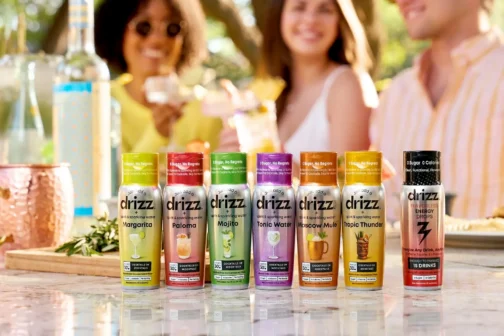
Growing up in a Mexican family, Rodrigo Ricaud was making palomas for his uncles at age 16. As he saw the popularity of coffee-forward carajillos and espresso martinis take off in the U.S., the SMU grad had the idea of making energy drinks easier and cleaner. He introduced Drizz in 2025, selling unflavored caffeine drops and zero-sugar cocktail mixers in little squeeze bottles. “We can give people a way to energize on their terms,” Ricaud says. His startup landed him the Walmart Golden Ticket, securing him a deal with the retail giant, as well as orders from the Mexican convenience store chain Oxxo. He’s been turning heads in Dallas with social events catering to Gen Z consumers, including celebrity lookalike contests, talent shows, and an 11-foot-tall margarita mocktail. “I love connecting people,” Ricaud says. “I found that intersection of what I’m building and having it resonate with a greater message.”—James Cancelarich
PWR WMN: Reworking the Power Suit
Two former Sewell saleswomen put $30,000 behind building a better blazer. Six years later, their women’s workwear brand is growing fast.
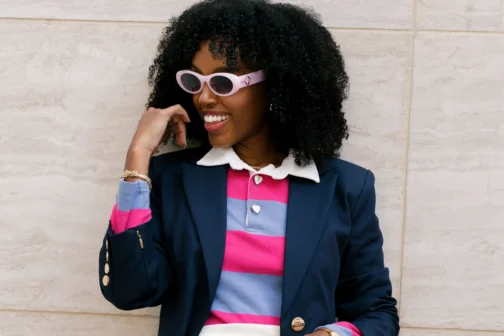
In 2019, Kimberly Borges and Miriam McDonald invested $30,000 into an idea born on the Sewell Automotive sales floor. The two former car saleswomen liked to dress professionally and were always on the hunt for blazers with big pockets. Neither had a background in fashion or entrepreneurship, but they drew on their customer service experience to create PWR WMN. Their women’s professional fashion brand makes machine-washable blazers in sizes XXS to 3XL, with pockets roomy enough to actually stow things and colorful linings created in collaboration with female artists. What’s really different: expandable panels in the torso and arms allow the blazers to adjust up or down two sizes. In 2025, PWR WMN generated $500,000 in revenue and reported YoY growth of 67 percent.—Darcy Bass
Low and Slow Snacks: A New Kind of Barbecue
Low and Slow Snacks sets itself apart by smoking its barbecue cheese puffs and potato chips over real hickory wood.
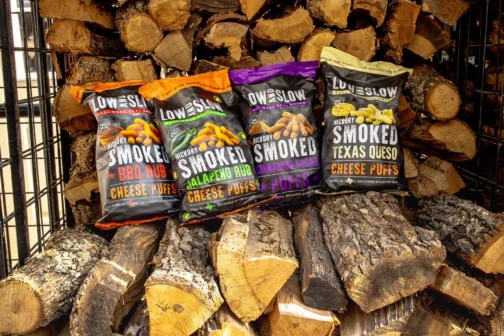
A conversation about the ideal barbecue chip led Frito-Lay and Yum! Brands alum Jared Drinkwater to a revelation: “Everything in the barbecue snack category is about seasoning, but authentic barbecue is about the wood, the smoker, and the patience.” He tossed a few chips in a smoker, unintentionally making the first batch of Low and Slow Snacks. He officially founded the brand in 2019, which now sells chips and cheese puffs smoked like a brisket. A partnership with former PepsiCo R&D exec Mike Zbuchalski, investments from the founders of Belvedere Vodka and Talenti Gelato, and a smokehouse capable of making millions of pounds of snacks a year helped put Low and Slow products on shelves at over 8,000 stores. Next, Drinkwater has his sights on jerky, nuts, and salsa—really, anything that fits in a smoker.—Shae Mercer
Audrey’s Popcorn: Popping Up All Over
A 13-year-old is taking her gourmet popcorn business to grocery store shelves—with an airport shop on the way.
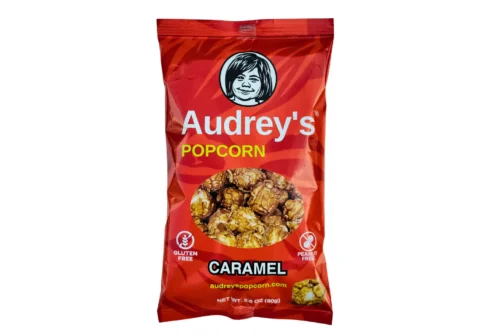
Jeff Harrison was driving his then-5-year-old daughter, Audrey, home one day when she declared, “I want to have my own business.” The duo began making caramel corn in their kitchen, and before long, things took off. In 2022, the Harrisons partnered with a family-owned factory to expand production to 25,000 bags a year, ultimately adding kettle corn and cheese varieties. Audrey’s Popcorn now generates $100,000 in annual sales. The popcorn is available in 10 Kroger locations and on Amazon. A standalone Audrey’s Popcorn shop is slated to open next June in DFW Airport’s Terminal E. Audrey works with an accountant and brokers who help her connect with retailers, but she handles the meetings herself. She calls her popcorn the “full experience”—full fat, real butter, real sugar, and caramel made from scratch. “We want to become a nationwide brand,” she says.—Sarah Knowlton
Read next
Authors

Annie Hollon
Annie Hollon is a journalist, social media strategist, and copywriter serving as audience engagement editor for D CEO, the business title for D Magazine. She cut her teeth in print and digital media while at the University of Alabama, serving as editor-in-chief of Alice Magazine and Mosaic Magazine. Prior to joining D Magazine, Annie covered the baking industry and documented major business moves, entrepreneurial stories, relevant awards, and new product releases. When away from her desk, she can be found baking up a storm, seeking out the latest pop hit, or delving into a new book.