
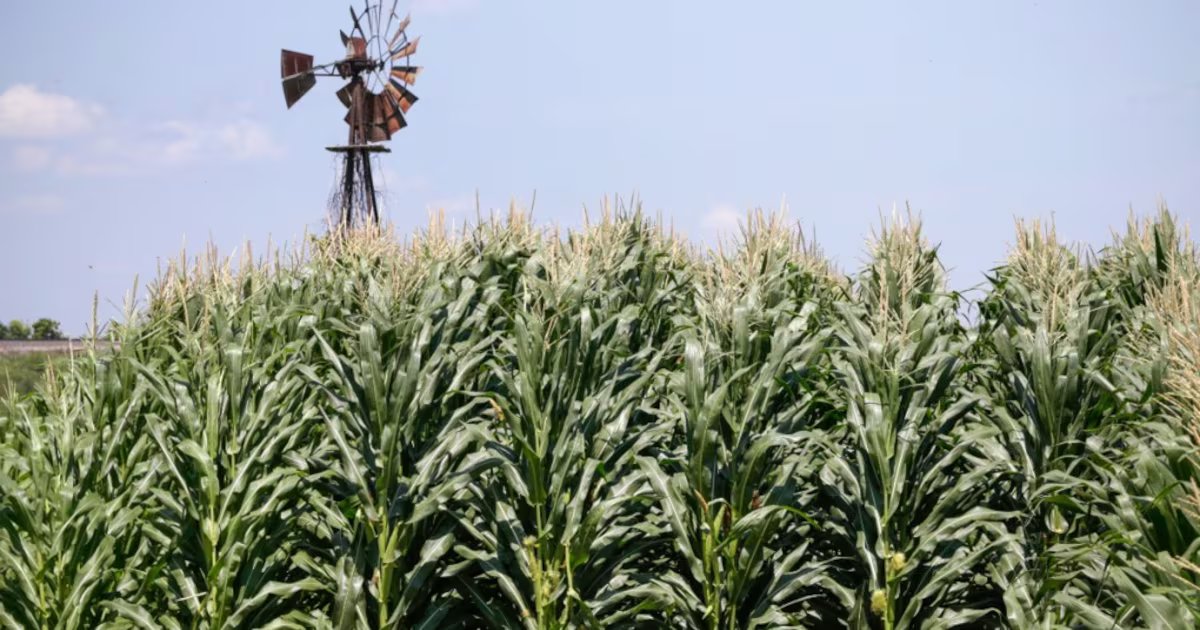
Agricultural commodity ETFs are gaining interest as investors look for diversification and alternative return drivers outside traditional equity markets. Corn, soybeans and wheat have historically shown low correlation to stocks, particularly during periods of equity market stress.
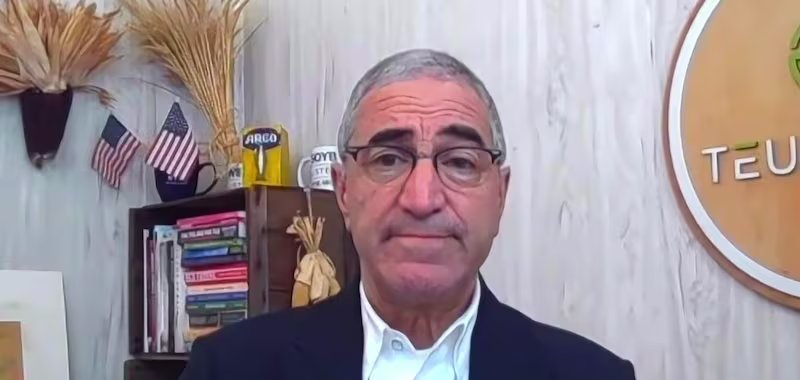
BNN Bloomberg spoke with Sal Gilbertie, CEO of Teucrium Trading, about how agriculture-focused ETFs work, why futures-based structures matter, and how grain prices near production-cost levels can influence investor behaviour.
Key Takeaways
- Agriculture-focused ETFs provide exposure to commodities without requiring futures trading accounts or margin management.
- Grain prices tend to have low correlation with equities, offering diversification benefits during stock market downturns.
- Soybeans have historically outperformed the S&P 500 during major equity pullbacks, sometimes declining less or rising outright.
- Corn prices often find support near production-cost levels, which has historically preceded sharp price rallies.
- Futures-based ETFs track contract performance rather than spot prices, with roll costs and fees affecting returns.
Read the full transcript below:
ANDREW: Time for the ETF report. One of the advantages of ETFs is that they make it easier to invest in a straightforward way in a commodity or asset class that would otherwise require, for example, a futures trading account. Today, we’re zeroing in on the agriculture sector.
Our guest is Sal Gilbertie, CEO of Teucrium Trading and an expert in agricultural commodity ETFs. Thanks very much for joining us, Sal. And just to note here, you’re not recommending these ETFs — you’re simply explaining how they work and the basic mechanics behind them.
SAL: That’s right, and thank you for having me. As a sponsor of these ETFs, we’re not allowed to give buy or sell recommendations, but we can talk about the fundamentals of the commodities, which is what we’re here to do.
ANDREW: Right. Let’s start with the Soybean Fund, SOYB. What are you tracking here — U.S. soybean futures, essentially?
SAL: That’s correct. It holds a combination of U.S. soybean futures designed to minimize the effects of contango and backwardation, which are complicated aspects of rolling futures positions.
The bottom line is that it’s meant to provide investors with exposure to soybeans. If they believe soybeans would help their portfolio — and statistically, they have proven that they can — this is an easy way to do that using a stock account.
You don’t have to worry about margin or the complexities of futures trading. That’s all handled inside the ETF, which is purchased just like a stock. It’s designed so that if soybeans go up, the soybean ETF goes up, and if soybeans go down, the ETF goes down.
ANDREW: At the risk of getting technical, is there ever an issue with these funds rolling over futures contracts and seeing net asset value erode?
SAL: There can be, particularly when the market is in what’s called a normal carry state. That happens in any commodity. If you’re selling a bushel for $10 and have to rebuy it for $10.10, you’re obviously buying less.
That erosion is built into the pricing. It affects anyone trading futures directly as well. Whether you trade futures or an ETF, it’s a fundamental part of the market. What we’ve done is simplify access. If you want to be long soybeans, you can buy the physical commodity, trade futures, or buy a soybean ETF. That’s the tool we provide.
ANDREW: It looks like the fund has tracked soybean returns fairly closely over the past year. I’m showing SOYB down about one per cent, while soybean prices themselves are down roughly one-third of one per cent.
SAL: That’s right, and it should be close because it holds futures. Whatever the futures do, that’s what the fund will do.
Grains don’t correlate very well with stocks, which makes them a proven diversifier. In seven of the last seven times the S&P 500 has declined 10 per cent or more, soybeans have outperformed. The index that the soybean fund follows has outperformed the S&P 500 in each of those periods.
Sometimes both stocks and soybeans are down, but soybeans are often down less, which can help stabilize a portfolio.
ANDREW: Let’s move on to corn. This is the Teucrium Corn Fund, CORN. It’s down about 13 per cent over the past year, and corn futures are down by a similar amount.
SAL: Right. Again, it holds futures, so it will do what the futures do. Corn is unique because the Renewable Fuels Act in the U.S., passed in 2006 and 2007, effectively reset global grain prices.
When corn prices reach about $3.50 to $4 a bushel, they tend to stop falling. That range is roughly the break-even level for U.S. producers. Corn prices are currently around $4.10 to $4.20 a bushel, which puts them within about five per cent of that range where investors historically begin accumulating corn exposure.
In the past 17 years, corn prices have doubled three times from that $3.50 to $4 range. In one case, it took about a year and a half. In another, two and a half years. In a third, more than six years. You never know when it will happen, but when supply tightens — often due to weather — prices can rise very quickly. It’s something investors should keep an eye on.
ANDREW: Finally, let’s touch on wheat. Wheat is down about nine per cent over the past year, while the WEAT ETF is down closer to 18 per cent. Is that due to different types of wheat or contract structures?
SAL: It can be. Some of the differences come from how wheat futures roll. Wheat markets have been very active globally, which has caused some pricing dislocations.
The ETF holds futures, and it will reflect what those futures do. There are also fees, expenses and some slippage when contracts are rolled, so you won’t see perfect correlation. These funds aren’t meant to track spot prices — they’re meant to track the futures they hold.
ANDREW: Do you ever hear anecdotally that farmers use these ETFs as a hedge?
SAL: Farmers typically use futures directly because they’re more cost-effective for hedging. But we do hear from farmers who buy these ETFs in speculative or retirement accounts. They understand their crops and recognize when prices are near cost-of-production levels. Many tell us they use ETFs as a way to gain exposure when they believe the odds of prices rising are higher than falling.
ANDREW: Sal, thank you very much. Sal Gilbertie, CEO of Teucrium Trading and an expert in agricultural commodity ETFs.
—
This BNN Bloomberg summary and transcript of the Jan. 21, 2026 interview with Sal Gilbertie are published with the assistance of AI. Original research, interview questions and added context was created by BNN Bloomberg journalists. An editor also reviewed this material before it was published to ensure its accuracy and adherence with BNN Bloomberg editorial policies and standards.