
Close Menu
Fund Focus News
    Facebook X (Twitter) Instagram
    Trending
    • Multi Cap vs Multi Asset Allocation Funds: Which mutual fund category should you choose in 2026? – Mutual Funds News
    • Mutual funds holding cash: Is high cash balance a red flag for investors? Experts explain
    • RiverPark Large Growth Fund’s Q1 2026 Investor Letter
    • 3 Robotics ETFs Positioned to Capitalize on America’s Reshoring Boom in 2026
    • Investment funds: what are they and how do they work?
    • Still holding on to Premium Bonds that never win? This is what it’s really costing you
    • South Korea’s $590B Chip Bet Has Semiconductor ETFs Buzzing, but Memory Cycles Have Burned Believers Before
    • Crypto News Today: XRP ETFs Defy Bitcoin Outflows as Solana Funds Regain Momentum
    Facebook X (Twitter) Instagram
    Fund Focus News
    • Home
    • Bonds
    • ETFs
    • Funds
    • Investments
    • Mutual Funds
    • Property Investments
    • SIP
    Fund Focus News
    Home»Bonds»NS&I boosts premium bonds prize fund: are you more likely to win?
    Bonds

    NS&I boosts premium bonds prize fund: are you more likely to win?

    May 18, 2026


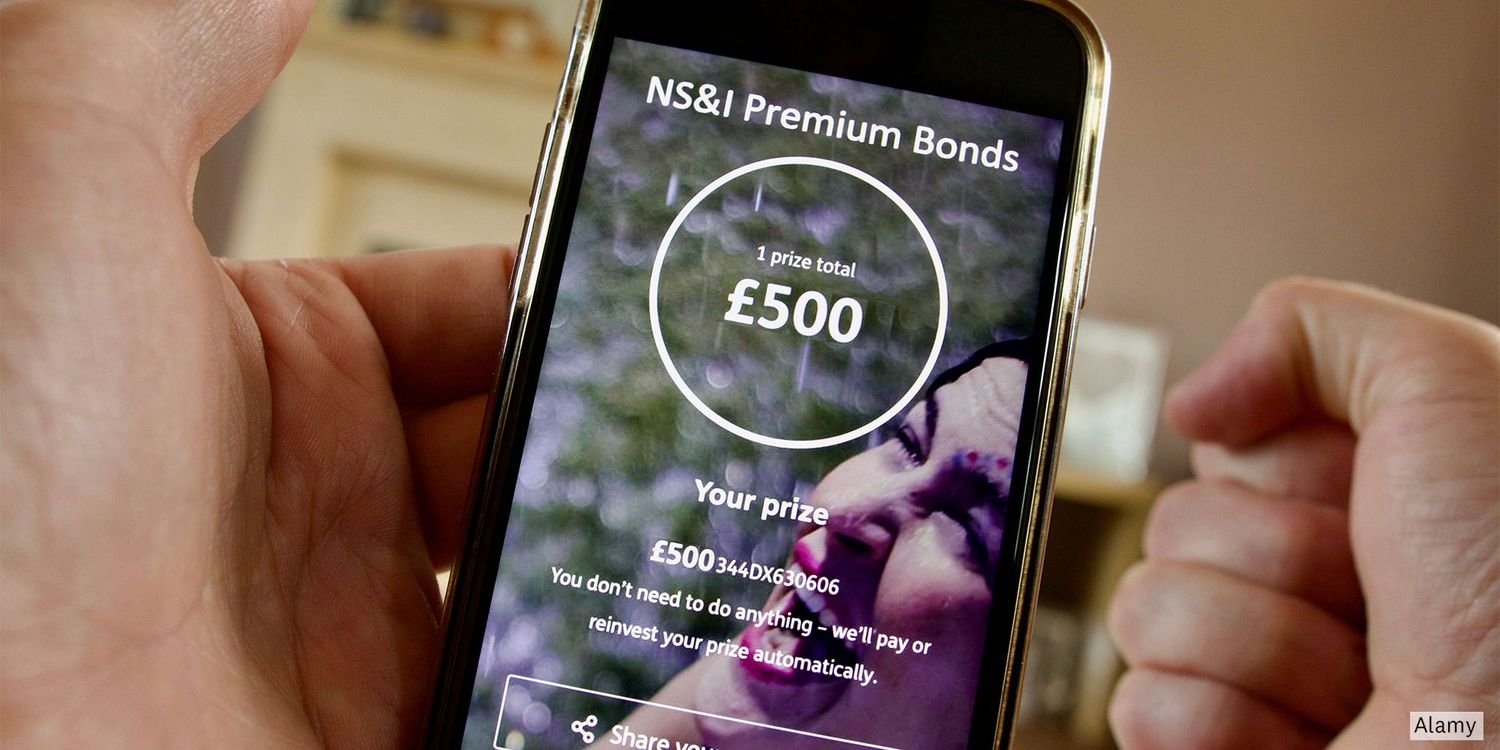
    National Savings and Investments (NS&I) will increase its premium bond prize fund rate from 3.3% to 3.8% from July’s draw – the first time it’s risen in almost three years.

    The prize fund rate refers to the overall annual growth across the billions of premium bonds held by customers. The boost means an extra 322,000 prizes will be up for grabs, with the prize pot swelling by over £60m.

    Here, Which? explains what’s happening and what it means for your chances of winning.

    This newsletter delivers free money-related content, along with other information about Which? Group products and services. Unsubscribe whenever you want. Your data will be processed in accordance with our privacy notice.

    How is the prize fund changing?

    The latest prize fund rate increase marks the first rise since September 2023. It has fallen six times since then, dropping to a three-year low of 3.3% in April 2026.

    The June draw on 2 June will still use the existing 3.3% prize fund rate, with the increase taking effect from the 1 July draw.  

    NS&I is expected to give away a total of £436,833,475 in premium bonds prizes in the July prize draw, up from £376,180,825 in May. The overall number of prizes has also spiked, with an expected 6,270,339 prizes due to be handed out in July, up from 5,947,523 in May. 

    The provider, which is 100% backed by HM Treasury, claims the boost is a response to changes in the wider savings market. NS&I is also tasked with raising money on behalf of the government each tax year. For 2026-27, its net financing target has been increased from £13.6bn to £15bn. 

    The table shows how the prize fund will change next month:

    • Find out more: premium bonds – are they worth it?

    Are the odds of winning any better now?

    The odds of winning will increase from 23,000 to 1 to 22,000 to 1. This means for every 22,000 attempts, one is expected to succeed – assuming each attempt is independent of the other. In short, your chances are pretty slim and, in an average month, a typical bondholder is likely to win nothing at all.

    If you are lucky enough to win a prize, there’s slightly more chance of it being worth more than £25 compared with previous draws. Compared to May’s draw, there’s expected to be an extra 12 additional £100,000 prizes, 24 more £50,000 prizes and an extra 49 prizes worth £25,000. The number of £1m jackpot prizes will remain at two.

    The number of £25 prizes, however, will drop by more than 500,000.

    Remember, your premium bonds are only eligible for the draw once they’ve been held for one full calendar month. So if you’ll need to be quick to invest if you want your bonds entered into July’s prize draw.

    • Find out more: what is National Savings & Investments?

    Rates also raised for other NS&I savings

    There’s also a boost for other variable-rate savings products from NS&I. The table shows what’s changed:

    At the successful completion of your savings product application, Experian is paid a commission by the savings provider and will share a small part of the fee with Which?. This helps fund our not-for-profit mission and campaign work as a champion for the UK consumer. Which? does not allow this commercial relationship to affect its editorial independence.

    The new rates, which came into effect on 14 May, are an attempt by NS&I to stay competitive as average interest rates for instant-access accounts continue to increase. It follows increases to its range of fixed-bonds in April.

    The boost to NS&I’s Direct Saver and Income Bonds products is helpful, but several providers are offering top rates of up to 5% for restriction-free instant-access accounts. Savers should therefore shop around first to ensure they’re getting the best return on their money.

    Similarly, its tax-free adult cash Isa deal is also far from market-leading. As of 18 May 2026, Moneybox offers a top rate of 4.52% AER. That’s almost one percentage point more than NS&I’s Direct Isa.

    The leap to 3.7% AER for NS&I’s Junior Isa means the product is catching up with other similar top-rate deals – although it’s still lagging behind the current best rate of 4.15% for a Bath Building Society Junior Cash Isa.

    • Find out more: how to find the best savings account

    Explainer

    What’s the difference between gross and AER?

    Like many providers, NS&I lists rates using the terms gross and AER. The former is best understood as the flat rate of interest that’s actually paid, while the latter takes into account the effect of compounding – the snowball effect of income earned from interest growing together with your original investment.

    Understanding the difference between gross and AER matters when it comes to Income Bonds. Because returns are paid into your nominated bank account every month, interest isn’t compounded. 

    The lower gross rate that NS&I quotes for those products is therefore a more accurate reflection of the amount of savings income earned over the course of a year.


    Source link

    Share. Facebook Twitter Pinterest LinkedIn Tumblr Telegram Email

    Related Posts

    Still holding on to Premium Bonds that never win? This is what it’s really costing you

    July 6, 2026

    ABP pulls more US bonds, largest share of fund now in Europe

    July 6, 2026

    UK investors turn to bonds as equities valuations continue to stretch

    July 5, 2026
    Leave A Reply Cancel Reply

    Top Posts

    The Shifting Landscape of Art Investment and the Rise of Accessibility: The London Art Exchange

    September 11, 2023

    Charlie Cobham: The Art Broker Extraordinaire Maximizing Returns for High Net Worth Clients

    February 12, 2024

    Multi Cap vs Multi Asset Allocation Funds: Which mutual fund category should you choose in 2026? – Mutual Funds News

    July 7, 2026

    The Unyielding Resilience of the Art Market: A Historical and Contemporary Perspective

    November 19, 2023
    Don't Miss
    Mutual Funds

    Multi Cap vs Multi Asset Allocation Funds: Which mutual fund category should you choose in 2026? – Mutual Funds News

    July 7, 2026

    Should you invest in a multi-cap fund or a multi-asset allocation fund in 2026? The…

    Mutual funds holding cash: Is high cash balance a red flag for investors? Experts explain

    July 7, 2026

    RiverPark Large Growth Fund’s Q1 2026 Investor Letter

    July 6, 2026

    3 Robotics ETFs Positioned to Capitalize on America’s Reshoring Boom in 2026

    July 6, 2026
    Stay In Touch
    • Facebook
    • Twitter
    • Pinterest
    • Instagram
    • YouTube
    • Vimeo
    EDITOR'S PICK

    Why global investing is gaining ground in India

    October 1, 2025

    Yale Investments in Companies Selling Arms to Israel Violate State Law, Says an Official Complaint

    March 26, 2025

    The Wealth Company Mutual Fund unveils a hybrid multi-asset allocation fund. Check details

    November 18, 2025
    Our Picks

    Multi Cap vs Multi Asset Allocation Funds: Which mutual fund category should you choose in 2026? – Mutual Funds News

    July 7, 2026

    Mutual funds holding cash: Is high cash balance a red flag for investors? Experts explain

    July 7, 2026

    RiverPark Large Growth Fund’s Q1 2026 Investor Letter

    July 6, 2026
    Most Popular

    🔥Juve target Chukwuemeka, Inter raise funds, Elmas bid in play 🤑

    August 20, 2025

    💵 Libra responds after Flamengo takes legal action and ‘freezes’ funds

    September 26, 2025

    ₹9000 monthly SIP can help you retire at 45 with ₹2 lakh monthly pension

    May 5, 2026
    © 2026 Fund Focus News
    • Get In Touch
    • Privacy Policy
    • Terms and Conditions

    Type above and press Enter to search. Press Esc to cancel.