
Benchmark-sized dim sum bonds are typically at least one billion yuan (S$190.1 million)
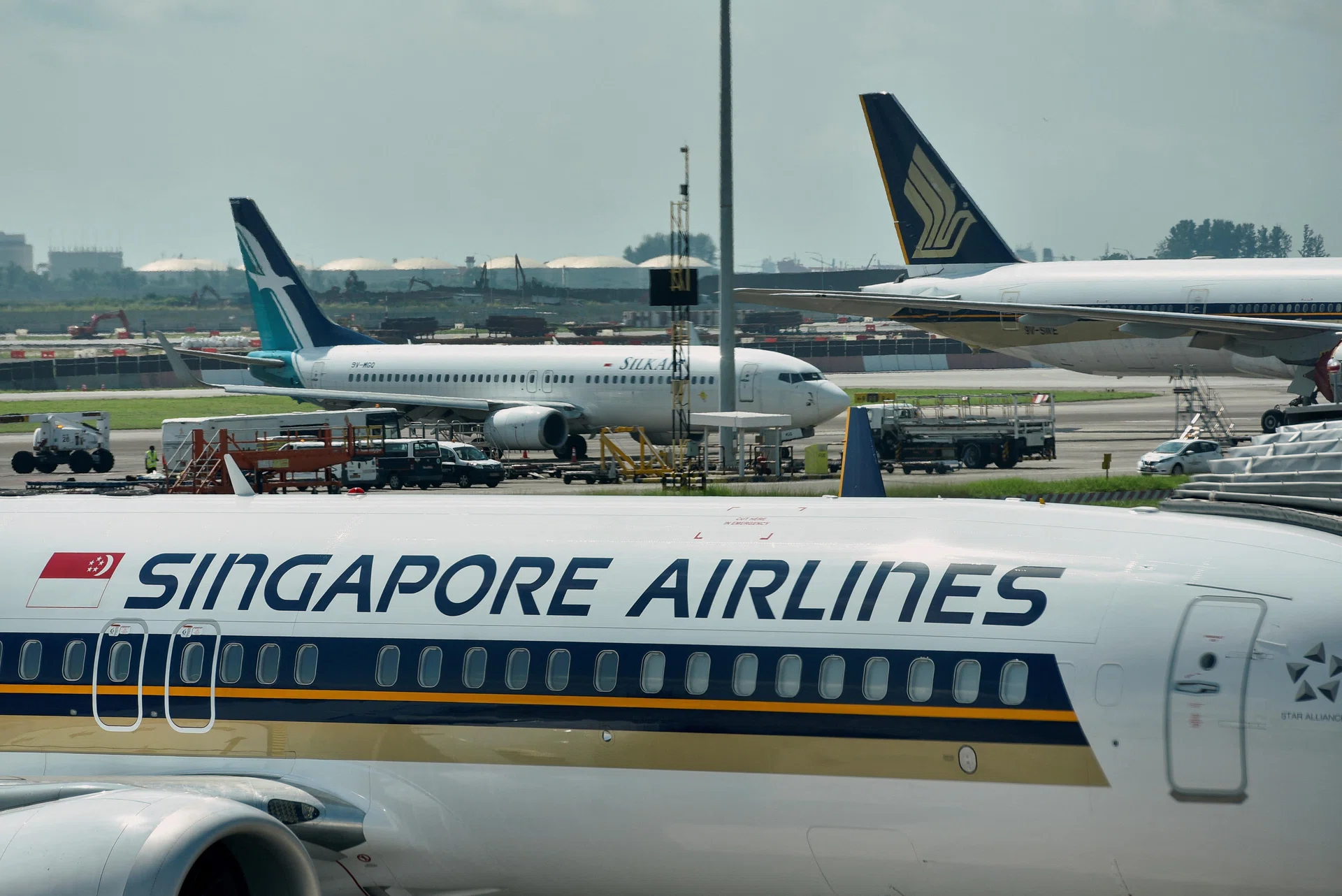
[SINGAPORE] Singapore Airlines ( SIA ) is entering the offshore Chinese yuan debt market for the first time with a planned five-year “dim sum” bond, joining a growing number of global issuers seeking to tap lower borrowing costs in China.
The airline said proceeds from the issue will be used for aircraft purchases, working capital and refinancing existing debt.
OCBC credit analyst Ezien Hoo noted that the move comes as SIA’s “supernormal” liquidity balance – built up during the Covid-19 pandemic – begins to normalise.
With heavy aircraft-related capital expenditure ahead, the airline is expected to become a more regular fixture in the debt capital markets to fund its fleet expansion.
While SIA has not disclosed the size of the offering, benchmark-sized dim sum bonds are typically at least one billion yuan (S$190.1 million), making them large enough for significant secondary market trading. The deal is expected to be priced over two days, and announced on the Singapore Exchange once completed.
The Business Times examines what dim sum bonds are, and why SIA is making its debut in the market.
What are dim sum bonds?
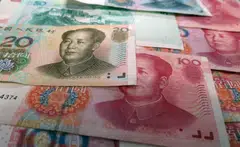
Dim sum bonds are yuan-denominated debt instruments issued outside mainland China, mainly in Hong Kong. Their name is a nod to the city’s famous cuisine, which features bite-sized dishes.
Settled in offshore yuan, they allow foreign companies to raise funds in the Chinese currency without having to navigate mainland China’s stricter domestic financial regulations.
They differ from other Chinese bond formats, such as panda bonds, which are yuan-denominated notes issued by foreign entities within mainland China; and kung fu bonds, which are offshore bonds issued by Chinese companies in foreign currencies.
SEE ALSO

“Dim sum bonds are likely to have a wider global audience, given that they are more easily accessible for international investors,” said Lorraine Tan, Morningstar’s director of equity research for Asia. She added that panda bonds are accessible only via “specified channels in China”.
Issuance of dim sum bonds by foreign entities has been gaining momentum, reaching a record high in 2025 and surging 128.6 per cent year-on-year in the first quarter of 2026, noted credit ratings agency CSPI Ratings.
Why is SIA issuing a dim sum bond?
SIA is likely issuing a dim sum bond because borrowing in yuan is cheaper than in major Western currencies such as the US dollar, explained Morningtar’s Tan.
While central banks, including the US Federal Reserve, have kept interest rates elevated in the 3.5 to 3.75 per cent range, China’s central bank has maintained a record-low policy rate of 3 per cent to support economic growth.
SIA said it sees current market conditions as “favourable” for an offshore yuan bond sale. Maybank analysts said lower offshore yuan rates relative to Singapore dollar and US dollar funding costs could enable the airline to secure cheaper long-term financing.
Morningstar’s Tan added that five-year renminbi bonds may yield around 2.8 per cent compared with 5 per cent for US dollar bonds.
“We expect SIA’s capital expenditure to more than double to average around S$3 billion per annum over the next three years as it takes delivery of new aircraft,” she said. “The rise in debt is within our expectations.”
However, OCBC’s Hoo expects the immediate cost savings for SIA to be moderate.
Because the airline is already a frequent, highly rated issuer in the local Singdollar credit market, it already enjoys exceptionally competitive funding costs at home, she said.
What does this mean for SIA and investors?
For SIA, the debut dim sum bond provides access to a new investor base of CNH traders while potentially securing attractive renminbi funding costs.
“We think it’s a neutral development for equity investors,” said Morningstar’s Tan. “For bond investors, SIA is a high-quality issuer, and participating in a dim sum bond issued by SIA may be a good way to diversify risks.”
SIA’s current Singdollar and US dollar investors are also set to benefit from the company’s improved credit profile, according to OCBC’s Hoo.
“All else being equal, companies with broader access to external funding sources are preferred,” she said. “Relying heavily on a single funding market can lead to funding vulnerability if funding market conditions become unfavourable.”
CSPI had also said that offshore yuan bonds provide institutional buyers with an opportunity to diversify away from US dollar-denominated assets.
This is especially attractive when seeking currency gains if the yuan stabilises.
SIA’s debut is part of a broader trend of Singapore-based corporate issuers tapping the renminbi market for similar liquidity benefits.
Other major Singdollar credit issuers that have recently raised funds in the currency include hospitality giant Shangri-La, CapitaLand Investment and CapitaLand China Trust.