
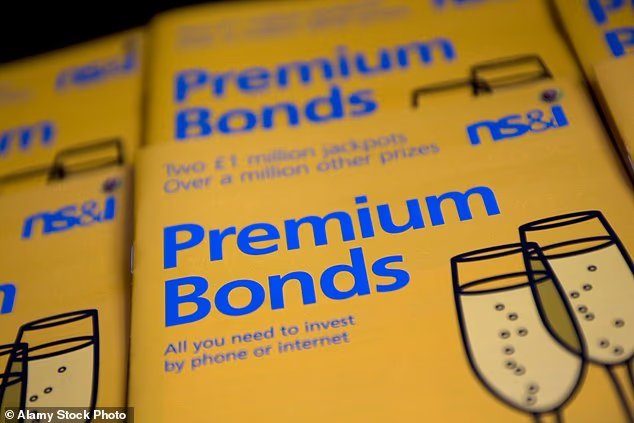
Most of the 23million savers who own Premium Bonds bought them to be in with a chance of winning the £1million jackpot – but also with the reassuring prospect that they’ll profit from the bountiful smaller prizes handed out each month.
But shockingly, almost two in three savers who have put money into the savings product run by Treasury-backed National Savings and Investments will never win a prize.
Some 14.3million – or 62 per cent – of Premium Bond holders have never won a prize, a Freedom of Information (FoI) request by investment platform AJ Bell has found.
It found that the average saver who has never won a prize has £128.91 stashed away in Premium Bonds and they have held this for just over eight years.
It may sound like a small amount, but these unlucky savings will be stung by a nasty cocktail of lost spending power and missed opportunities to grow. And many savers will have a far greater amount stashed in these accounts. So how much are Premium Bonds really costing you?
Lost spending power
If your bonds are disappointing you month after month, your savings are wasting away.
This is because of the way Premium Bonds work. Savers can invest between £25 and £50,000 and, unlike regular savings accounts, do not get a regular interest payment.
Instead, each £1 bond is entered in a prize draw every month, where tax-free prizes of £25 to £1million are on offer. Savers can cash in their original stake whenever they want.

For every £100 held in Premium Bonds, around £3.80 is currently paid out in prizes. Two lucky holders every month win £1million each and there are smaller prizes from £100,000 down to £25
While bond holders are never guaranteed a win, an average saver could expect a return of 3.8 per cent from this month’s draw.
This means for every £100 held in Premium Bonds, around £3.80 is currently paid out in prizes.
Two lucky holders every month win £1million each and there are smaller prizes from £100,000 down to £25.
Each bond has odds of 22,000- to-one of winning any prize – and if you don’t win, you don’t get a return on your cash.
Charlene Young, of AJ Bell, explains: ‘This means that over time, you’re losing spending power after inflation and the impact can be shocking.’
If you don’t win any prizes, your money can’t stretch as far today as it would have done eight years ago because prices have soared with inflation.
So the average non-winner who saved £128.91 in Premium Bonds eight years ago has lost £64.84 in real terms over that time, says Young.
That’s because prices climbed by 50.3 per cent in the 8.1 years (the average length of time savers kept money in Premium Bonds) to this February, when the FoI details were obtained.
For this £128.91 holding to have the same purchasing power now as it did in 2018, it would need to be worth £193.75.
What could you buy?
This lost spending power may seem arbitrary but it will restrict how far your money will stretch when you spend it.
For example, take the average £128.91 unlucky holding.
Eight years ago, this would have paid for around 104 litres of petrol, whereas now it will buy only 81 litres.
In 2018, £128.91 may have managed to buy six to seven meals at a half-decent restaurant. Now it will only buy around four to five.
Or take a food shop in 2018. This amount of money would have easily covered a weekly food shop for a family of four. But now, that same family may need to find an extra £30 to cover the same shop.
Missed opportunity
Not only have the funds in these bonds lost spending power, they have missed the opportunity to grow in the way they would have elsewhere.
If one of these savers had instead placed their money in cash, their pot would have grown to £153.35 – a rise of around 19 per cent, according to calculations by AJ Bell.
This tepid growth pales in comparison to the 50.3 per cent rise in Retail Prices Index inflation over the same time.
However, had they invested the money in the stock market, it would now be worth £312.12. This assumes the sum is held in a global tracker fund that climbed by 142 per cent in value over the last 8.1 years.
Young says: ‘Over this kind of period, it makes sense to consider investing because five to ten years is usually long enough to ride out the short-term ups and downs, and take advantage of long-term growth potential.’
This climb more than doubles the original sum.
Yet with the money in Premium Bonds, it would not have grown at all.
Plus £128.91 is only the average non-winning holding. It means many savers will have more than this in their account.
Take someone with £1,000 in non-winning Premium Bonds. Had they invested that in a global tracker fund that follows the stock market instead, they’d now have £2,420.
Hold out for the win
Despite these damning figures, there’s one dream that keeps savers holding on to their Premium Bonds – that they could, one day, win the £1million jackpot.
It’s extremely unlikely, even for those with the full £50,000 saved, let alone just £128.91.
The chance of winning the jackpot with a £1 holding in last month’s draw was one in 68.4 billion.
But it is possible. Take the £1million prize from March last year. The winner, from Cleveland, snatched it with just £100 saved in Premium Bonds.
That’s the smallest amount to win big over the past ten years. And they had held the bonds for fewer than two years.
The smallest holding ever to hit the jackpot was £17 in July 2004. That winner was in Newham, east London.
Young says: ‘If you’ve left money in bonds for years it is worth considering how much you’ve won and asking whether you have kept pace with inflation or whether your money could work harder for you.’