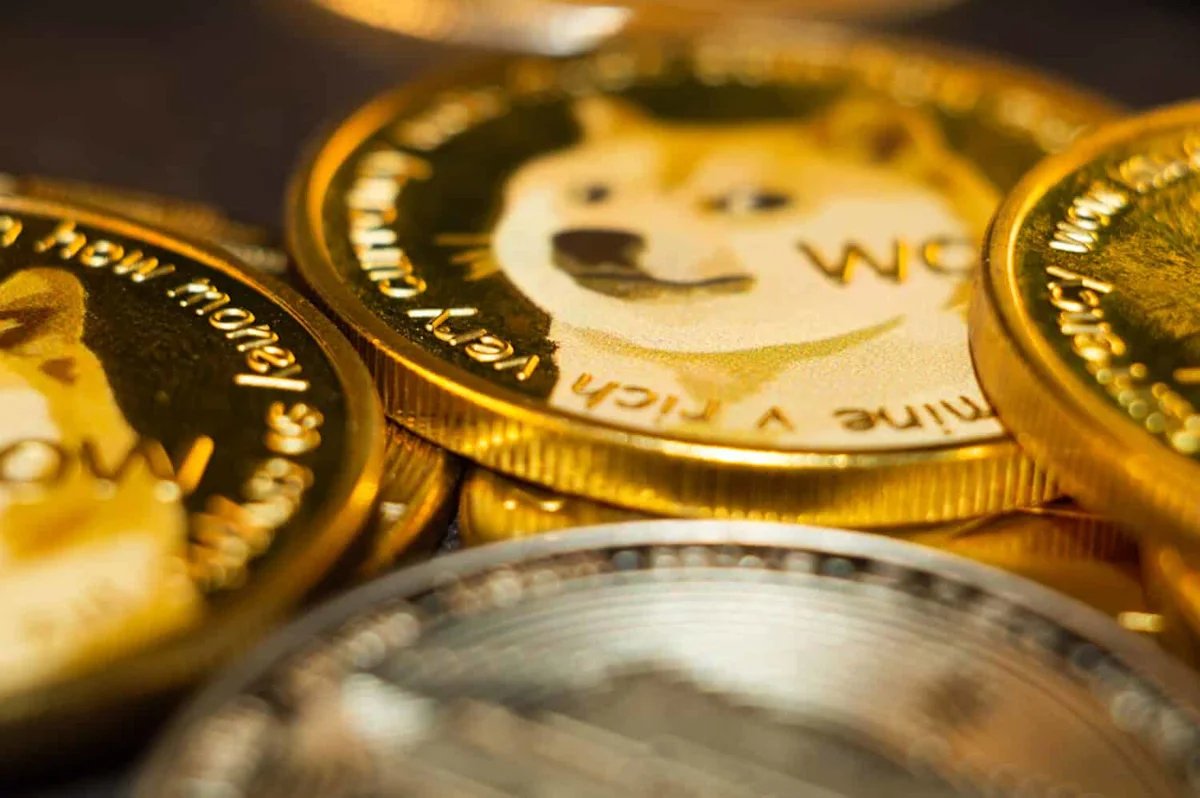
Dogecoin’s ETFs Have Not Moved a Single Dollar in October. Where Did the Retail Money Go?
Quick Read
Dogecoin ETFs have seen zero net flows every October session, holding just $14.9M. That figure falls short of the $15.6M investors originally put in.
XRP ETFs pulled in $11.3M last week and hold $1.57B in assets, dwarfing Dogecoin’s stagnant, institutionally ignored funds.
Dogecoin dropped 9.7% last week, making it the worst performer among major cryptos, as retail traders shifted attention to AI stocks and index funds.
Building a portfolio and living off one are two completely different skills, and almost nobody teaches the second. This problem is what The Definitive Guide to Retirement Income helps, and it is free today. Read more here. (Sponsor)
So far in October 2026, exchange-traded funds (ETFs) that hold Dogecoin (CRYPTO:DOGE) have seen no net flow of money on any trading day. An ETF trades like a stock on an exchange and holds the underlying asset for its investors. This month, no new money has entered Dogecoin ETFs, and no money has been withdrawn.
The Dogecoin ETFs are relatively small, collectively holding just $14.9 million in net assets, according to SoSoValue. Since their launch, investors have contributed a total of $15.6 million to them. Given Dogecoin’s popularity, these funds are surprisingly small.
Wirestock Creators / Shutterstock.com
As of October 12, Dogecoin trades at about $0.087, down 9.7% over the past week, making it the worst performer among major cryptocurrencies, and it remains about 88% below its all-time high. With no new investment flowing into the ETFs and Dogecoin’s price declining more sharply than other major coins, the question arises: where did the retail investment in Dogecoin go?
Zero Flows Indicate a Lack of Demand for Dogecoin ETFs
Chris M / Courtesy of 24/7 Wall Street
The term “zero net flow” signifies that the funds did not create new shares or redeem any existing ones, even though investors were actively buying and selling shares on the exchange. Trading activity occurred between investors, leaving fund sizes unchanged—a trend that became pronounced in early October.
——
Now Available: The Definitive Guide to Retirement Income
Many successful investors eventually reach the same moment. The saving is done, the portfolio is built, and the question quietly changes from how much can I grow this to how much can I take out? Get that second question wrong and decades of good investing can come apart in a handful of years.
That is exactly what The Definitive Guide to Retirement Income helps answer. It covers what your retirement could actually cost, which income sources are worth using, and the withdrawal math that decides whether the money lasts. It is free today from Fisher Investments. Read More Here ›
——
ETFs can grow or shrink based on supply and demand for their shares. When more investors want to buy shares than sell them, an authorized participant—a large trading firm—deposits Dogecoin into the fund and receives new shares in exchange, creating an inflow.
Conversely, if selling exceeds buying, the process reverses: the fund returns shares and withdraws Dogecoin, resulting in an outflow. When both sides show zero activity, it indicates that shares have merely changed hands among investors without affecting the fund’s overall size.
While one quiet day may reflect random fluctuations, zero flows in every October session so far suggest a real lack of interest. Institutions haven’t opened or closed positions in these funds. Additionally, Dogecoin’s dwindling value has further reduced the stakes for early buyers, as the funds are now worth just $14.9 million, below the $15.6 million investors have put in.
XRP Funds Took In $11.3 Million While Dogecoin’s Stood Still
Chinnapong / Shutterstock.com
In contrast, XRP (CRYPTO:XRP) funds have caught institutional interest, bringing in $11.3 million over the past week—making them the only major crypto funds to see net inflows, even while prices fell. These funds boast a substantial $1.57 billion in net assets per SoSoValue.
The size difference between the two types of funds is striking—XRP’s one-week inflow is roughly equivalent to three-quarters of the total amount Dogecoin ETFs have accumulated since inception.
It appears retail investors in Dogecoin have largely not moved into regulated funds, unlike those with larger coins. Most Dogecoin holders prefer to keep their assets on cryptocurrency exchanges and in trading apps, ready to react to the next social media buzz. Therefore, the appeal of wrapping Dogecoin in an ETF structure is limited.
Dogecoin’s Price Is Set by Exchanges, Not ETF Activity
alfernec / Shutterstock.com
The current discussions among investors also reflect this shift in focus. A recent scan of Reddit’s major investing and trading forums found few mentions of Dogecoin, with conversations focused mainly on AI chip stocks, SpaceX-related trades, and broader index funds. While discussion doesn’t always translate into investment, the enthusiasm that once drove Dogecoin’s popularity appears to have shifted elsewhere.
Dogecoin’s recent price trajectory echoes this sentiment. With a 9.7% drop in the past week—the worst among major cryptocurrencies—it’s clear that exchanges and derivatives markets, not ETF activity, are driving Dogecoin’s price.
The reasons behind the lack of activity remain uncertain. This could be because the ETFs have little demand, or because their small $14.9 million asset base doesn’t attract larger trading firms. Either way, the ETFs wield no influence over Dogecoin’s value.
Does a Lack of Activity in Dogecoin ETFs Signal a Weak Investment?
Yes, at least from an institutional standpoint. The stagnant flows suggest Dogecoin is primarily a retail trading asset without a consistent institutional presence, so its funds provide no support during price downturns. As a result, Dogecoin holders rely on retail traders and their shifting moods, a crowd whose attention has moved elsewhere, leaving the coin vulnerable to significant price swings that have kept it about 88% below its peak.
Our perspective may change if these funds start creating shares consistently and their net assets grow beyond the $15.6 million investors have put in. Such a shift could signal a return of institutional interest. Until then, the ongoing flat flow figure for Dogecoin ETFs suggests Dogecoin’s price will likely continue to respond to trends from retail exchanges.
Released: The Definitive Guide to Retirement Income
(Sponsor) Most people spend their entire working lives focusing on one thing: growing a pile of money. Then they retire and discover the skill they actually need is close to the opposite. Turning that pile into steady income, year after year, through good markets and bad, without ever running out.
It may be the least discussed and most consequential transition in personal finance, and plenty of otherwise careful investors walk into it with no real plan. That is exactly what The Definitive Guide to Retirement Income helps answer. It is a free guide from Fisher Investments covering what your retirement will really cost, where the cash flow should come from, and how much you can safely withdraw each year. Learn more here. Learn More Here ›