
Close Menu
Fund Focus News
    Facebook X (Twitter) Instagram
    Trending
    • Mutual funds cut exit loads amid rising competition, shift to flexibility | Markets News
    • 5 Nasdaq Mutual Funds to Watch Out for in 2026 – Money Insights News
    • Regular index funds vs direct funds: Are ETFs better than index funds? | Personal Finance
    • Fifth of investors on Bucharest Stock Exchange exclusively bought Fidelis government bonds
    • 7 Best Income ETFs to Buy in 2026 | Investing
    • Why is Edelweiss Mid Cap Fund gaining attention amid rising midcap returns now?
    • Aberdeen Investments appoints head of multi asset and alts
    • Octopus refunds £1m after investments tank
    Facebook X (Twitter) Instagram
    Fund Focus News
    • Home
    • Bonds
    • ETFs
    • Funds
    • Investments
    • Mutual Funds
    • Property Investments
    • SIP
    Fund Focus News
    Home»ETFs»ETFs vs Stocks: What Are The Key Differences?
    ETFs

    ETFs vs Stocks: What Are The Key Differences?

    September 18, 2025


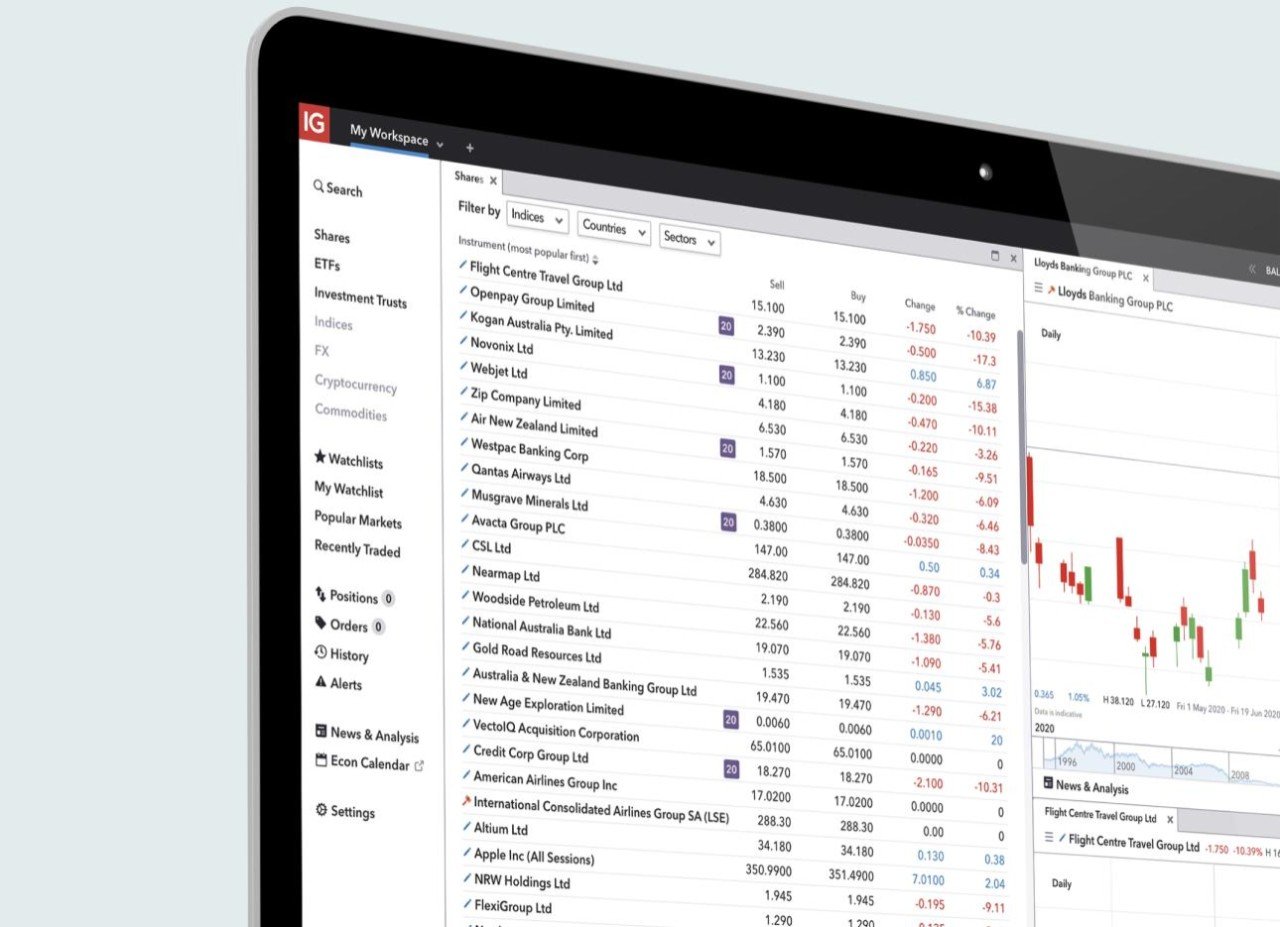
    Take a look at the performance of ​Apple Inc shares over a period of ten years and the potential return on investment (ROI) you could’ve earned during that period. Let’s say your initial outlay in January of 2015 was S$10,000 with a long-term investment horizon of ten years right through to January 2025.

    To calculate the annual return on a ten-year investment, we’d take Apple stock’s share price on 1 January 2015 (29.316) which represents the standard deviation of the portfolio (SP) divided by the expected return of the portfolio (EP) on 20 January 2025 (137.87). Here’s the formula below:

    Annual return = 100 x ([137.87/29.316] 1/10 – 1)

    = 16.74 %

    Therefore, over a span of ten years, your investment into Apple shares would’ve now accrued S$47,029. Remember that there’s no guarantee that the same growth rate can be sustained for the next ten years, therefore, you need to take steps to manage your risk.

    In comparison, you can look at how the Vanguard S&P 500 UCITS fund performed over a 10-year stretch. Let’s say your initial outlay was S$10,000 and you invested in the S&P 500 index from 2015 through to 2024. According to our expert analysts, the average stock market return for S&P 500 was 14.8%.

    For the first twelve months of your investment, your average return would amount to S$1,480 (14.8% of 10,000 = 1,480). Taking into consideration compound returns, you’d get 14.8% of your new total ($10,000 + $1,480) $11,480 to make (14.8% of $11,480) $1,699.04 in your second year.

    Investors tend to hold their position for a long time as the relative risk in the ETF market lessen over time. The average returns on major index ETFs have less variance over a period of ten years or more, making it a preferred choice for people with a long-term investment horizon.

    Therefore, when choosing to invest in ETFs, you should use money that you won’t need to touch for at least a couple of years to fully reap the benefits of compound returns.


    Source link

    Share. Facebook Twitter Pinterest LinkedIn Tumblr Telegram Email

    Related Posts

    7 Best Income ETFs to Buy in 2026 | Investing

    April 30, 2026

    Bitcoin ETFs fuel institutional surge, 21Shares’ CIO sees $100K possible by year-end

    April 29, 2026

    Exploring Food Industry ETFs: Investment Opportunities and Challenges

    April 29, 2026
    Leave A Reply Cancel Reply

    Top Posts

    The Shifting Landscape of Art Investment and the Rise of Accessibility: The London Art Exchange

    September 11, 2023

    Charlie Cobham: The Art Broker Extraordinaire Maximizing Returns for High Net Worth Clients

    February 12, 2024

    EVERGENT Investments shareholders approved all proposals from the Board of Directors at the General Meetings

    April 30, 2026

    The Unyielding Resilience of the Art Market: A Historical and Contemporary Perspective

    November 19, 2023
    Don't Miss
    Mutual Funds

    Mutual funds cut exit loads amid rising competition, shift to flexibility | Markets News

    April 30, 2026

      ICICI Prudential MF, in April, reduced the exit load period from one year…

    5 Nasdaq Mutual Funds to Watch Out for in 2026 – Money Insights News

    April 30, 2026

    Regular index funds vs direct funds: Are ETFs better than index funds? | Personal Finance

    April 30, 2026

    Fifth of investors on Bucharest Stock Exchange exclusively bought Fidelis government bonds

    April 30, 2026
    Stay In Touch
    • Facebook
    • Twitter
    • Pinterest
    • Instagram
    • YouTube
    • Vimeo
    EDITOR'S PICK

    Scottish property industry welcomes passing of more ‘collaborative’ Housing Bill

    October 1, 2025

    Britvic Executives Increase Shareholdings Through SIP

    August 20, 2024

    Hamilton affordable housing project looks for investments big and small with launch of community bonds

    November 18, 2025
    Our Picks

    Mutual funds cut exit loads amid rising competition, shift to flexibility | Markets News

    April 30, 2026

    5 Nasdaq Mutual Funds to Watch Out for in 2026 – Money Insights News

    April 30, 2026

    Regular index funds vs direct funds: Are ETFs better than index funds? | Personal Finance

    April 30, 2026
    Most Popular

    🔥Juve target Chukwuemeka, Inter raise funds, Elmas bid in play 🤑

    August 20, 2025

    💵 Libra responds after Flamengo takes legal action and ‘freezes’ funds

    September 26, 2025

    ₹50 lakh retirement corpus: How to invest in SCSS, mutual funds, equities and other assets — CA offers tips

    April 16, 2026
    © 2026 Fund Focus News
    • Get In Touch
    • Privacy Policy
    • Terms and Conditions

    Type above and press Enter to search. Press Esc to cancel.