
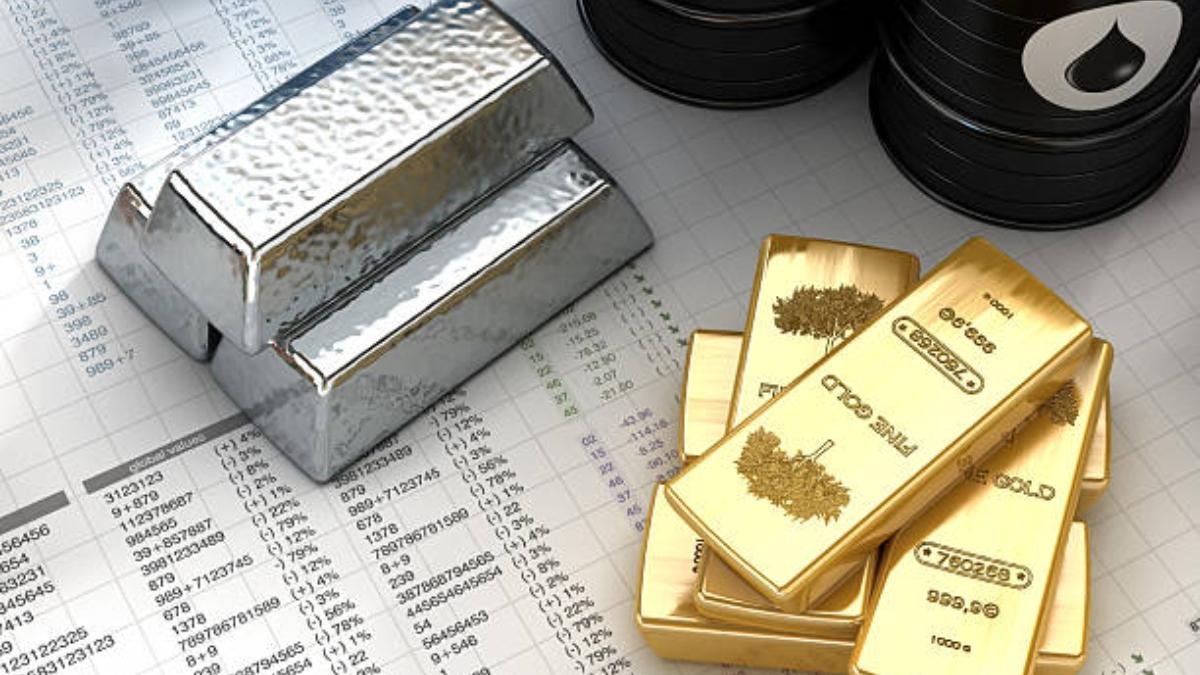
Gold and silver exchange-traded funds (ETFs) came under heavy selling pressure on Monday, September 28, with silver funds bearing the brunt of a sharp correction in precious metal prices. Rising crude oil prices, inflation concerns and growing expectations of further US Federal Reserve interest-rate hikes triggered the sell-off, raising questions about the outlook for precious metal investments.
The decline came amid a broader weakness in Indian equities and a sharp fall in international bullion prices. Silver ETFs fell by around 3.5%–4% during Monday’s trading session, while gold ETFs recorded losses of more than 2% in several cases.
The immediate outlook for gold and silver will depend on the direction of crude oil prices, movements in the US dollar and bond yields, and signals from the Federal Reserve on interest rates.
For investors, the latest correction also highlights the risks of treating gold and silver ETFs as investments that will always rise during periods of geopolitical uncertainty.
Also read | Can E100 replace petrol in India? Toyota’s ethanol Innova puts fuel alternative in spotlight
Gold and silver ETFs: How much did prices fall?
Silver ETFs recorded steeper losses than gold funds on September 28.
Among major silver ETFs, SBI Silver ETF fell around 3.6%–3.7% by the close, while Nippon India Silver ETF declined 3.57%. Tata Silver Exchange Traded Fund lost 3.51%, and ICICI Prudential Silver ETF fell 3.44% in the reported trading data.
Gold ETFs also remained in negative territory. ICICI Prudential Gold ETF declined around 2.6%–2.9% across the reported trading snapshots, while SBI Gold ETF fell around 2.6%–2.9%. Nippon India ETF Gold BeES slipped around 2.5%–2.8%, and Tata Gold Exchange Traded Fund dropped around 2.3%–2.7%.
The differences in reported percentages reflect the use of intraday and closing prices.
Also read | Fitch raises India FY27 GDP forecast to 6.9%; RBI rate hike to 5.5% expected in October
Why did gold and silver ETFs crash?
The decline in ETFs mirrored a sharp correction in international precious metal prices, driven by a combination of rising oil prices, inflation concerns and expectations of tighter monetary policy in the United States.
1. Rising crude oil prices fuel inflation fears
Crude oil prices climbed after US President Donald Trump rejected an Iranian proposal aimed at resolving the conflict and reopening the Strait of Hormuz.
The development kept geopolitical tensions in the Middle East elevated and raised concerns about energy supplies.
Higher oil prices can increase transportation, manufacturing and other operating costs, adding to inflationary pressures across the global economy.
This has implications for precious metals because persistent inflation could prompt central banks to maintain or increase interest rates, making non-yielding assets such as gold and silver less attractive.
2. US Fed rate-hike expectations weigh on bullion
Expectations of further interest-rate increases by the US Federal Reserve added to the pressure on precious metals.
The Fed raised its target interest-rate range by 25 basis points earlier this month to 3.75%–4%.
Market participants have since reassessed the possibility of additional rate hikes as oil prices and inflation concerns have risen.
Higher interest rates generally weigh on gold and silver because these assets do not offer interest income. When bond yields rise, investors may find interest-bearing assets more attractive.
The prospect of tighter monetary policy has also supported the US dollar and pushed Treasury yields higher, adding to the pressure on bullion.
3. A stronger dollar and rising bond yields
A firm US dollar makes gold and silver priced in the currency more expensive for investors holding other currencies, potentially reducing demand.
At the same time, rising US Treasury yields increase the opportunity cost of holding precious metals.
The combination of a stronger dollar, higher yields and concerns about inflation has contributed to the latest correction in international bullion markets.
How much did gold and silver prices fall globally?
International bullion prices recorded steep losses on Monday.
Spot gold fell 2.1% to $4,198.10 an ounce in the reported trading snapshot, while US gold futures declined 2.1% to $4,231.
Spot silver fell 3.4% to $62.08 an ounce, registering a sharper decline than gold.
However, prices weakened further during the session. Reuters reported that spot gold fell as much as 4% to $4,110.55 an ounce before settling at $4,136.81. US gold futures closed 3.5% lower at $4,168.40. Spot silver also declined sharply.
Domestic commodity markets reflected the weakness.
MCX silver futures for September 2026 delivery fell Rs 6,661 to Rs 2,28,035 per kg, while October 2026 gold futures declined Rs 3,214 to Rs 1,47,667 per 10 grams in the reported trading data.
The sell-off extended to other precious metals. Spot platinum and palladium also declined, reflecting broad-based weakness across the sector.
What lies ahead for gold and silver ETFs?
The near-term direction of gold and silver ETFs will depend on how global economic and geopolitical developments unfold.
Crude oil and the Middle East conflict
A sustained rise in crude oil prices could keep inflation concerns elevated and increase expectations of tighter monetary policy.
Any easing of tensions around the Strait of Hormuz or a decline in oil prices could help reduce some of these concerns.
The Federal Reserve’s next move
Investors will closely monitor inflation data, economic indicators and statements from Fed officials for clues about the direction of interest rates.
If markets increasingly expect further rate hikes, gold and silver could face continued pressure. A shift towards a less restrictive monetary policy outlook could alter that dynamic.
The dollar and Treasury yields
The direction of the US dollar and Treasury yields will remain important for precious metals.
A stronger dollar and rising yields could weigh on bullion, while a sustained reversal in either could provide some support.
Geopolitical uncertainty
Gold is often viewed as a safe-haven asset during periods of geopolitical uncertainty. However, the latest correction shows that this relationship is not automatic.
Rising energy prices and expectations of higher interest rates can outweigh safe-haven demand, at least in the short term.
Why ETF investors need to watch premiums and NAV
The latest fall in precious metal ETFs comes against the backdrop of a separate warning from the Bombay Stock Exchange (BSE) about international ETFs trading at steep premiums to their net asset values (NAVs).
In a notice issued on September 25, BSE cautioned investors that certain international ETFs were trading at substantial premiums even though the NAVs of their underlying overseas investments had remained broadly stable.
The exchange said mutual funds had fully utilised the overseas investment limits available to them, restricting the creation of new units of international ETFs. Limited supply could therefore push market prices significantly above the value of the underlying assets.
“It has been observed that units of certain Exchange Traded Funds (ETFs), particularly those investing in overseas securities (‘international ETFs’) are trading at a substantial premium to their Net Asset Value (NAV), even though the NAVs of the underlying scheme of these ETFs have remained broadly stable,” BSE said in its notice.
The exchange warned that investors buying units at steep premiums could face sudden price corrections unrelated to movements in overseas markets.
It also said prices could correct sharply if overseas investment limits were increased or when the base price used to determine ETF price bands shifts to the previous day’s NAV from April 1, 2027.
The change is part of the ETF trading framework issued by the Securities and Exchange Board of India on June 15, 2026. Provisions relating to base prices, price bands, pre-open call auctions and close-out procedures came into effect on September 7.
“In view of the above, all investors/market participants are advised to exercise extreme caution and perform due diligence,” BSE said.
The exchange advised investors to check ETF NAVs on the stock exchange or the Association of Mutual Funds in India website, or through their trading applications, before placing orders.
What should investors watch?
The latest correction highlights the importance of distinguishing between the movement of the underlying metal and the market price of an ETF.
Gold and silver ETFs track precious metal prices, but their market prices can also be influenced by trading activity, liquidity and premiums or discounts to NAV.
Investors tracking these funds will need to monitor global bullion prices, crude oil, the US dollar, bond yields and central bank policy signals.
The latest sell-off does not, by itself, establish the direction of future prices. The next phase of trading will depend on how inflation concerns, interest-rate expectations and geopolitical developments evolve.