
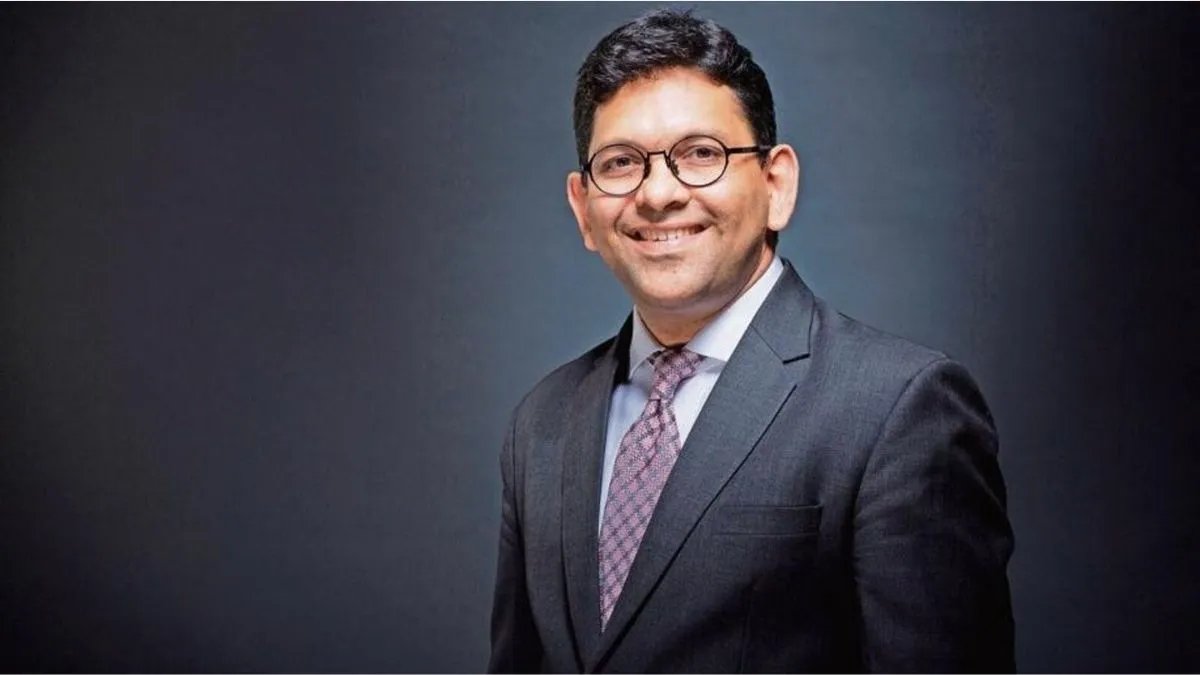
Small- and mid-cap stocks (SMIDs) are trading at a 27% premium to large-caps on a forward price-to-earnings (PE) basis, while the long-term premium has been only around 5%. Kalpen Parekh, MD & CEO, DSP Mutual Fund, tells Saikat Neogi that if investors want SMID exposure, they should opt for disciplined active managers. Excerpts:
Given the two-year stagnation in Indian stocks, how do you think the breakthrough in West Asia will help create investment opportunities now?
Oil affects everything in India — the current account, inflation, the rupee, and the RBI’s room to keep liquidity easy. So this reduces a real risk, not a perceived one. But the more important story is the base it is coming from: two years of genuine valuation correction. The Nifty 50 was near 24 times trailing earnings in 2024; by March 2026, it was around 18.5 times. At a 16% return on equity and 11-13% earnings growth, that is close to fair value, not expensive. So this isn’t a rally built on hope. It is risk-reducing at a point where prices already reflect caution. That’s a healthier combination. Stay selective — focus on quality businesses, strong balance sheets and visible earnings. We like BFSI, IT, healthcare, select staples, autos and parts of consumer discretionary.
Do you think the relief rally will create opportunities in small- and mid-cap stocks rather than in large-caps?
A rally lifts everything. That is exactly why it shouldn’t be mistaken for safety. Large-caps have done the harder work. In April 2026, the trailing price-to-book ratio was 3.4 times against a long-term average of 3.6. Forward PE is near 19 versus the long-term average of 17. SMIDs haven’t. The median trailing PE is around 32 times, a 59% premium to their own long-term average. They are also trading at a 27% premium to large-caps on a forward PE basis, while the long-term premium has been only around 5%. So, don’t chase. Use the rally, don’t get used by it. If you want SMID exposure, do it through disciplined active managers, and prefer SIPs over lump sums here.
How should investors look at diversified portfolio allocation with a focus on domestic cyclicals?
Corporate India’s balance sheets are the cleanest they have been in three decades. Low debt, better cash flows and healthier banks mean the system can absorb a slow patch and still fund the next upcycle. Domestic cyclicals deserve a place, but only where the cycle has real room to turn — operating leverage, a credible demand revival and valuations that haven’t already priced in a perfect outcome. Autos, cement and parts of consumer durables fit that today. Don’t buy a cyclical because it is cyclical. Buy it because the business can survive the wait and the price doesn’t assume the best has already happened. Pair that with quality compounders, financials, some defensives and fixed income. Diversification is what lets you stay invested through the parts of the cycle that test your patience.
Why should flexi-cap funds form a core part of the portfolio, and why should investors add on corrections?
Because the manager isn’t boxed in by a label. They move across large-, mid- and small-caps based on where quality and price actually justify it, not where a mandate forces them. That freedom matters most when market leadership is shifting, the way it is right now. Invest with good management in good sectors and stay with them while they execute. A good flexi-cap manager adds to the same quality businesses when prices dip for reasons that have nothing to do with the business. That’s why you use corrections to add, not because anyone can call the bottom, but because better prices mean better odds.
What strategy should investors adopt for their fixed-income portfolio now?
Fixed income, especially high-quality duration, looks attractive. Long-duration G-Secs deserve a serious look. Three reasons: external pressure has eased with crude below $80; flows are turning supportive — FCNR-B, Debt-FAR, lighter FPI equity outflows, and over $3 billion has come in within 10 days of the LTCG removal on FPI debt investments; and the RBI has kept liquidity comfortable without moving on rates. The math helps too — repo at 5.25%, the 10-year near 6.85%, a spread of about 160 basis points. That’s carry, plus room for mark-to-market gains if yields ease. Keep credit risk low. Stay sovereign, stay high quality — G-Secs, gilt funds, target maturity funds and duration funds for longer horizons. Short-term money stays liquid and boring, by design.
Given that gold prices have softened this year, how should investors look at the metal as a strategic allocation?
Gold is a diversifier, not a return target. Hold that thought before reacting to any move in it. Yes, it has softened, but from a record above $5,300 an ounce in January 2026 to around $4,300-4,350 now, down roughly 18%. That’s a correction, not a discount. By our framework, gold is close to fair value, not cheap. A real discount is what would make me say add aggressively. We are not there — I would rather sit on the fence than chase either direction.
What it still does well is cushion portfolios against geopolitical shocks, currency weakness, inflation scares and confidence shocks elsewhere. Central banks continue to hold it as a reserve asset, even as their pace of buying slows. If you have a strategic allocation, hold it. If you don’t, build it gradually. Treat it as insurance that you buy a little at a time, not a trade that you try to time.