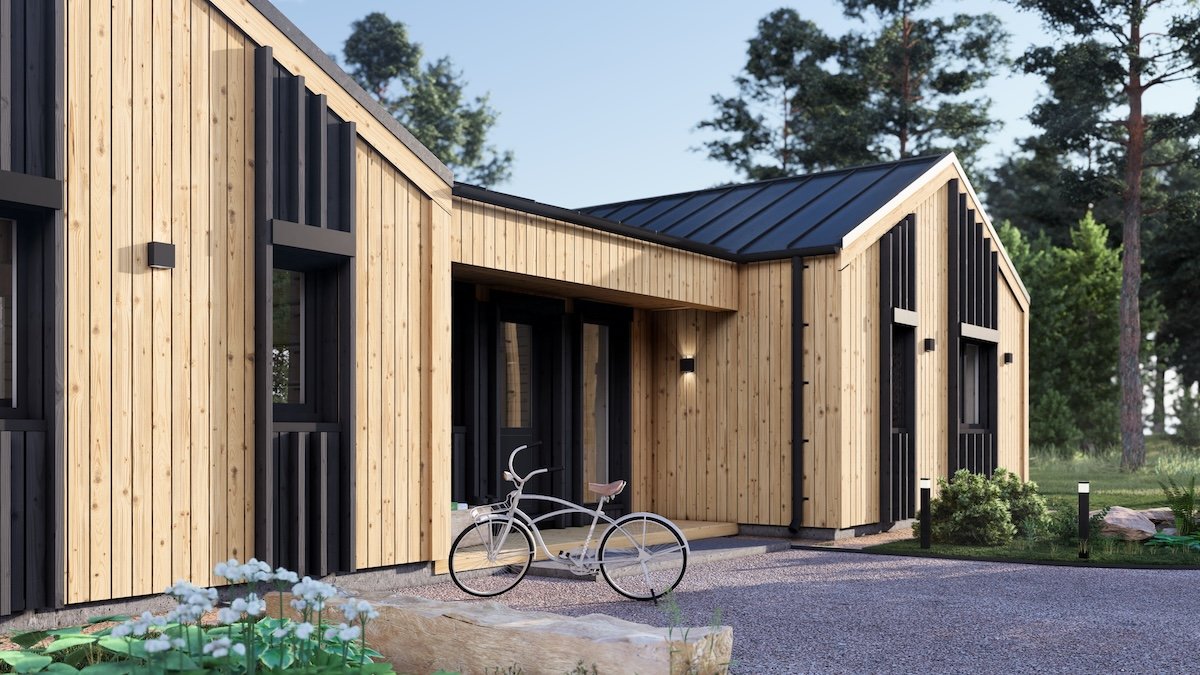

In response to rising interest rates, tax changes, and stringent regulations putting pressure on traditional buy-to-let margins, British landlords are re-evaluating their investment strategies. Across the UK, a quiet property investment trend is taking place in back gardens and on unused plots of land.
Instead of investing in expensive bricks-and-mortar properties, some property investors are putting their money into timber structures. Originally promoted as a flexible accommodation solution during the staycation boom, heavy-duty timber log cabins have become an increasingly attractive option for property investors.
With their relatively low entry costs and potential for rental income, investors are converting outbuildings into long-term rental spaces in domestic gardens and creating holiday retreats in rural areas.
The Capital Math: Why Timber Beats Brick
For many decades, the common route into UK property investment was to save a deposit, take out a buy-to-let mortgage and then collect monthly rental income. Yet, profit margins have come under increasing pressure due to Section 24 tax changes, higher stamp duty surcharges, and rising mortgage rates.
By contrast, timber investments can offer a lower entry cost and a faster route to creating additional accommodation.
- Lower Capital Outlay: A top-tier, fully insulated, multi-room timber structure can be bought and fully fitted out for a fraction of the cost of a traditional house purchase, removing the need for hefty mortgage borrowing.
- Rapid Speed-to-Market: While buying a physical house in the UK can take months due to solicitors’ back-and-forth and chain delays, a pre-fabricated timber structure can be delivered and built on-site within days or weeks.
- Potential for Higher Net Yields: With lower borrowing requirements than a traditional property purchase, well-managed outbuildings may offer attractive rental yields compared with some conventional property investments.
For homeowners, building on land they already own can reduce acquisition costs and potentially turn an underutilised garden into an additional source of rental income.
Navigating Planning Permission & UK Regulations
Investors should familiarise themselves with local planning frameworks before building an income-generating structure. Regulations differ depending on whether the structure is a self-contained holiday rental, a long-term let or a space used as an extension of the main home.
In England, many homeowners may be able to use Permitted Development rights for typical domestic outbuildings, subject to specific conditions. Planning rules differ across the UK, so investors should check the requirements that apply in their location. For properties that qualify, some of the key conditions include:

- Height Limits: Single-storey outbuilding eaves heights must not exceed 2.5 metres. The overall height cannot exceed 4 metres for a dual-pitched roof, or 3 metres for other roof styles (dropping to 2.5 metres if installed within 2 metres of a property boundary).
- Ground Coverage: Outbuildings, along with all prior extensions, must not occupy more than 50% of the total land area surrounding the original dwelling house.
- Usage Regulations: Permitted Development generally applies to uses that are incidental to the main home (such as offices, studios, or leisure rooms).
A building designed as an independent, self-contained residential unit or a commercial short-term holiday rental may require planning permission and compliance with applicable Building Regulations. Before beginning site preparation, investors should check the planning and building requirements that apply to their specific location and intended use.
Glamping units and luxury timber hideaways can command attractive nightly rates in tourist hotspot areas such as the Scottish Highlands, the Lake District, Cornwall and coastal Wales. Amenities like open-plan living areas, bi-fold doors, integrated decking and wood-fired hot tubs can help hosts make their listings more appealing on booking sites.
Year-Round Durability in the British Climate
Many first-time buyers may view wooden buildings as weak seasonal structures that will deteriorate quickly in poor weather. However, advances in manufacturing have significantly improved the durability and performance of modern timber buildings.
Modern commercial-grade structures can use slow-grown Northern European pine, with thick interlocking logs (generally 44mm to 70mm+), double-glazed windows and insulation extending from the floor to the roof. These features can help maintain a comfortable interior temperature during cold, damp winters while reducing the risk of overheating during the peak summer months.
When treated with high-grade protective finishes and properly maintained, high-specification timber buildings can have lifespans measured in decades, helping investors protect the value of their initial investment over the long term.
Boosting Capital Value on Exit
Adding a premium timber building can generate additional rental income while potentially enhancing the appeal and value of the main residence. A well-built, multi-functional outbuilding can make a home more attractive to buyers, although the effect on property value will depend on factors such as the property’s location, condition and the quality and permitted use of the outbuilding.
As flexibility, home working and multi-generational living remain high on British buyers’ agendas, timber outbuildings can offer a flexible investment that provides additional rental income today while potentially contributing to the property’s long-term value.