
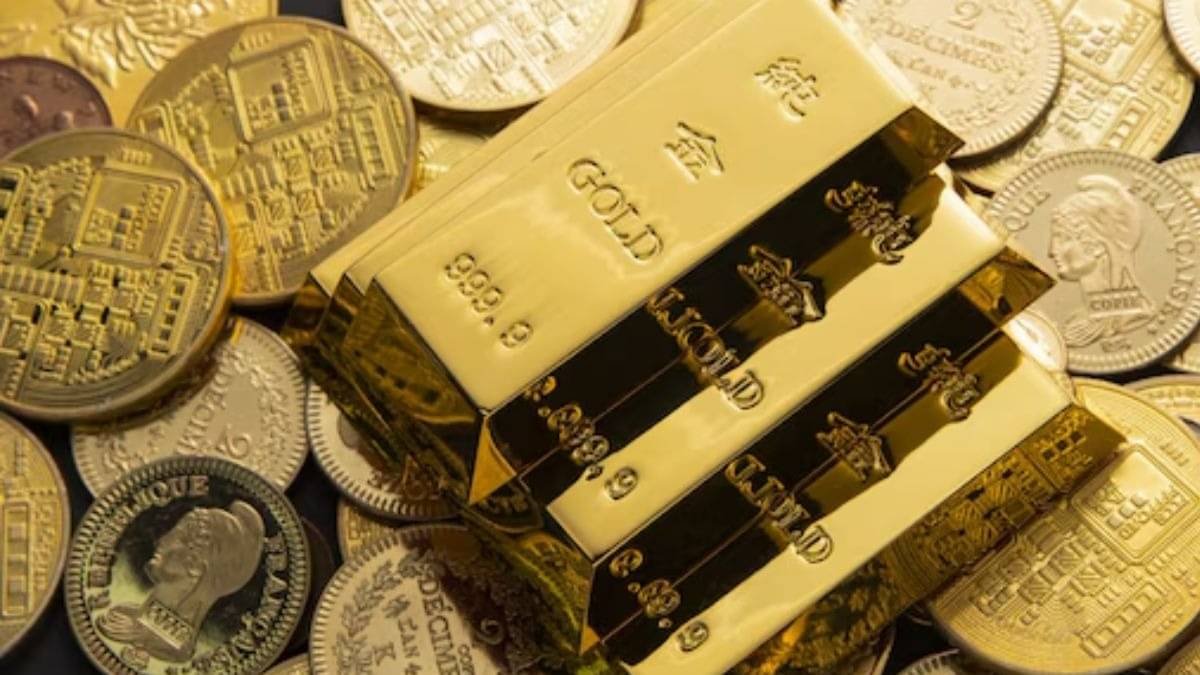

Gold ETFs vs Physical Gold Vs Gold Mutual Funds: What’s The Difference? | Image:
Freepix
Gold has always held a special place in our hearts and wallets. From dazzling jewelry to shiny coins and sturdy bars, this yellow metal has been a symbol of wealth and security since ancient times.
Whether it’s tales of hidden treasures or the gleam of a wedding necklace, gold’s allure is timeless. But investing in gold isn’t just about owning something shiny—it’s about making smart choices.
In this article, we’ll break down three popular ways to invest in gold—physical gold, Gold ETFs, and Gold Mutual Funds. By the end, you’ll understand the pros, cons, and costs of each, helping you decide which option suits you best.
What Is Physical Gold: The Tangible Treasure?
Physical gold is the gold you can touch—think jewelry, coins, or bars. It’s the stuff you see in shops or wear at celebrations. People love physical gold for its beauty, emotional value (like a family heirloom), or as a status symbol.
Why Choose Physical Gold?
- Tangible Asset: You can hold it, wear it, or display it. It feels real and reassuring.
- Cultural Significance: In places like India, gold is a go-to for weddings and festivals.
- Hedge Against Uncertainty: Gold often holds its value when other investments wobble.
- Storage Challenges: You need a safe place to keep it—lockers, safes, or even vaults. This adds costs and worries about theft.
- Making Charges: If you’re buying jewelry, jewelers charge extra for crafting it, which bumps up the price.
- Selling Hassles: Selling gold means finding a buyer or visiting a jeweler, and prices can vary depending on the day or place.
- Taxes: In India, you pay a 3% Goods and Services Tax (GST) on the gold’s value and a 5% GST on jewelry-making charges. This applies to all forms—18k, 22k, 24k gold, coins, or bars.
Who Should Choose Physical Gold?
If you love the idea of owning something you can see and touch, or if gold holds emotional or cultural value for you, physical gold is a great pick. But be ready to spend on storage and deal with the hassle of selling when the time comes.
What Are Gold ETFs: The Digital Gold Rush?
Gold Exchange-Traded Funds (ETFs) are like owning gold without the hassle of storing it. Each unit of a Gold ETF represents a specific amount of gold (usually 1 gram) with 99.5% purity, guaranteed by the fund house. You buy and sell these units on a stock exchange, just like stocks.
- High Liquidity: You can buy or sell Gold ETFs during stock market hours, making it quick and easy.
- No Storage Worries: Since it’s electronic, there’s no risk of theft or need for a safe.
- Standardized Quality: You’re guaranteed 99.5% pure gold, so no worries about quality.
- Lower Costs: Compared to physical gold, you avoid making charges and storage costs.
- Accounts Needed: You need a demat account (to hold electronic investments) and a trading account to buy/sell on the stock exchange.
- Costs Involved: You’ll pay brokerage fees for buying and selling, an annual expense ratio (a small fee for fund management), and demat account charges.
- Taxes: Gold ETFs are taxed as non-equity assets. If you sell within 3 years, profits (short-term gains) are taxed based on your income slab. If you hold for over 3 years, long-term gains are taxed at 20% with indexation (a way to adjust for inflation, reducing your tax).
Who Should Choose Gold ETFs?
If you’re an active investor with a demat account, love trading in real-time, and want a low-hassle way to invest in gold, Gold ETFs are perfect. They’re great for those who value flexibility and don’t want to deal with physical storage.
What Are Gold Mutual Funds?
Gold Mutual Funds (also called Fund of Funds) are a simple way to invest in gold without directly handling it. In simple words, these are digital units where a fund house invests in Gold ETFs on your behalf. You’re essentially letting experts manage your gold investment for you. These funds are linked to the same 99.5% pure gold as ETFs.
Why Choose Gold Mutual Funds?
- Super Easy to Start: You can invest through Systematic Investment Plans (SIPs) with as little as ₹100–₹500 per month. It’s like setting up a recurring savings plan.
- No Demat Account Needed: You can invest directly with the mutual fund house, skipping the need for a demat or trading account.
- No Storage Hassles: Like ETFs, these are electronic investments managed by the fund house, so you don’t need to worry about safes or theft.
- Decent Liquidity: You can redeem (sell) your units based on the day’s Net Asset Value (NAV), which is the price of one unit calculated at the end of each trading day. It’s not as instant as ETFs, but it’s way easier than selling physical gold.
- Costs Involved: Gold Mutual Funds have a slightly higher expense ratio (a fee for managing the fund) than ETFs because there’s an extra layer of management. Some funds also charge an exit load—a small fee if you sell too soon, like within a year.
- Less Liquid Than ETFs: You can’t trade them in real-time like ETFs. You redeem units at the day’s NAV, which is calculated after market hours.
- Taxes: Like Gold ETFs, these are taxed as debt funds. Short-term gains (within 3 years) are taxed at your income slab rate, and long-term gains (over 3 years) are taxed at 20% with indexation.
Who Should Choose Gold Mutual Funds?
If you’re a beginner, don’t have a demat account, or prefer a hands-off approach where someone else manages your investment, Gold Mutual Funds are ideal. They’re perfect for small, regular investments through SIPs and for those who want simplicity without sacrificing too much flexibility.
Final Thoughts
Gold remains a timeless investment, but how you invest depends on your priorities. Crave the sparkle and tradition? Physical gold is your pick, though it comes with storage and selling challenges.
Want fast, flexible trading? Gold ETFs offer convenience for those comfortable with stock market accounts.
Prefer simplicity and small, steady investments? Gold Mutual Funds make it easy to start without the fuss.
Each path offers a way to tap into gold’s enduring value. Consider your budget, comfort with technology, and investment style, and choose the option that shines brightest for you!