
Close Menu
Fund Focus News
    Facebook X (Twitter) Instagram
    Trending
    • Active-passive fund mix key amid global market volatility: ICRA Analytics
    • Lump sum vs SWP: What is the right way to withdraw money from mutual funds after retirement?
    • Find BlackRock funds and ETFs
    • Mutual funds accelerate launch of new passive investment products
    • Spot Bitcoin ETFs solved access, but custody, advisors and plumbing still lag, panelists say
    • 100 Mutual Fund Conversions Are Coming: Why BOND and FBND Could See Massive Inflows This Year
    • XRP ETFs Record $81.59M Inflows as Institutional Demand Grows
    • ‘Stop buying these mutual funds…’: Feroze Azeez shares investing tips with retail investors
    Facebook X (Twitter) Instagram
    Fund Focus News
    • Home
    • Bonds
    • ETFs
    • Funds
    • Investments
    • Mutual Funds
    • Property Investments
    • SIP
    Fund Focus News
    Home»Mutual Funds»Life Cycle Mutual Funds explained: SEBI’s new category with 5–30 year tenure
    Mutual Funds

    Life Cycle Mutual Funds explained: SEBI’s new category with 5–30 year tenure

    February 28, 2026


    Business Desk

    Last Updated: 27 February 2026, 12:50 PM IST

    SEBI launches Life Cycle Funds with glide path investing across equity, debt and ETFs for goal-based financial planning.
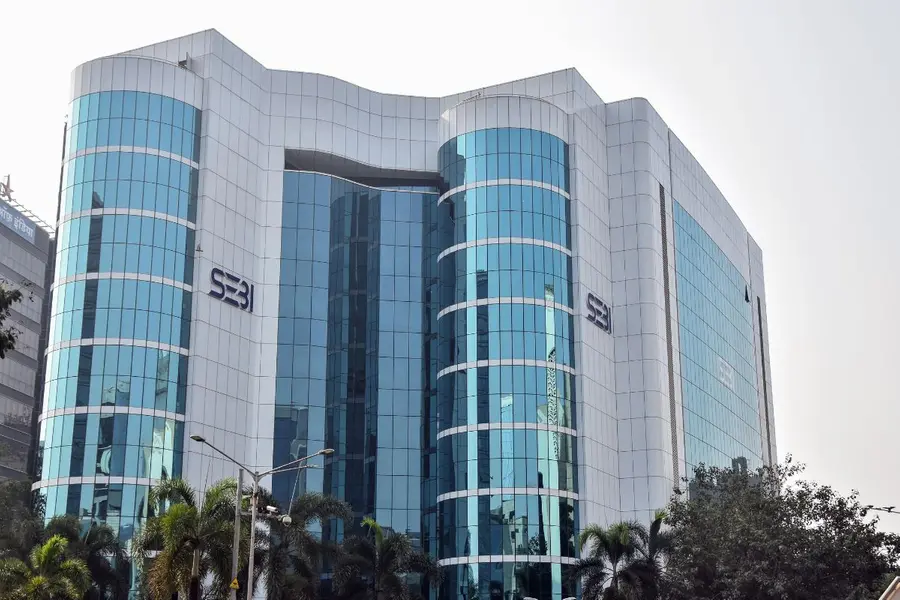
    SEBI.jpg
    The SEBI headquarters in Mumbai, where key regulatory initiatives and investor protection measures are formulated. Photo: (Sandip Mahankal/ANI)

    New Delhi: The Securities and Exchange Board of India (SEBI) has introduced a new mutual fund category called Life Cycle Funds, designed for goal-based investing through a predefined glide path strategy across multiple asset classes.

    The new open-ended schemes will feature a predetermined maturity and automatic asset allocation shifts aligned with an investor’s time horizon. Life Cycle Funds will invest across equity, debt, InvITs, exchange-traded commodity derivatives (ETCDs), and gold and silver ETFs.

    The move comes alongside SEBI’s decision to discontinue the existing solution-oriented fund category, which included retirement funds and children’s funds.

    Tenure and structure of Life Cycle Funds

    Mutual funds can launch Life Cycle Funds with a minimum tenure of five years and a maximum tenure of 30 years. Schemes may be introduced in multiples of five years — such as 5, 10, 15, 20, 25 or 30 years — with a maximum of six such funds open for subscription at any given time per fund house.

    As a scheme approaches maturity and has less than one year remaining, it may be merged with the nearest maturity Life Cycle Fund, subject to positive consent from unitholders.

    Each scheme must include its maturity year in the name, such as “Life Cycle Fund 2045” or “Life Cycle Fund 2055”.

    Also Read| SEBI scraps children’s, retirement funds; Introduces contra and sectoral debt funds

    Glide path-based asset allocation

    Under the glide path framework, asset allocation will gradually shift from higher exposure to equity in the early years to lower-risk assets such as debt and other instruments as the maturity date approaches.

    For schemes with less than five years to maturity, equity arbitrage exposure of up to 50% will be permitted in addition to the specified equity allocation, provided total exposure to equity and equity-related instruments remains within 65% to 75%.

    Life Cycle Funds will follow the benchmark framework applicable to Multi-Asset Allocation Funds.

    Exit load structure to encourage long-term investing

    To promote financial discipline and long-term participation, SEBI has prescribed a graded exit load structure. Investors exiting within one year of investment will incur a 3% exit load, 2% if redeemed within two years, and 1% if redeemed within three years.

    Also Read| Should you buy gold and silver now? Check city-wise price details for February 27

    Replacement of solution-oriented funds

    SEBI has discontinued the solution-oriented schemes category with immediate effect. Existing retirement and children’s funds will stop accepting fresh subscriptions and must be merged with other schemes having similar asset allocation and risk profiles, subject to SEBI approval.

    Market participants say the introduction of Life Cycle Funds aims to address behavioural challenges faced by retail investors, particularly around portfolio rebalancing and asset allocation decisions.

    Industry executives have described the move as a structural reform in goal-based mutual fund investing, noting that automatic asset allocation aligned with an investor’s life stage could reduce emotional decision-making and improve long-term financial planning outcomes.

    The introduction of Life Cycle Funds marks a significant regulatory shift in India’s mutual fund landscape, with a focus on disciplined investing, risk alignment and tax-efficient portfolio management.

    Published: 27 Feb 2026, 12:50 pm IST

    Subscribe to our Newsletter

    Get Latest Mathrubhumi Updates in English

    Follow

    Disclaimer: Kindly avoid objectionable, derogatory, unlawful and lewd comments, while responding to reports. Such comments are punishable under cyber laws. Please keep away from personal attacks. The opinions expressed here are the personal opinions of readers and not that of Mathrubhumi.


    Source link

    Share. Facebook Twitter Pinterest LinkedIn Tumblr Telegram Email

    Related Posts

    Active-passive fund mix key amid global market volatility: ICRA Analytics

    May 7, 2026

    Lump sum vs SWP: What is the right way to withdraw money from mutual funds after retirement?

    May 7, 2026

    Find BlackRock funds and ETFs

    May 6, 2026
    Leave A Reply Cancel Reply

    Top Posts

    Active-passive fund mix key amid global market volatility: ICRA Analytics

    May 7, 2026

    The Shifting Landscape of Art Investment and the Rise of Accessibility: The London Art Exchange

    September 11, 2023

    Charlie Cobham: The Art Broker Extraordinaire Maximizing Returns for High Net Worth Clients

    February 12, 2024

    The Unyielding Resilience of the Art Market: A Historical and Contemporary Perspective

    November 19, 2023
    Don't Miss
    Mutual Funds

    Active-passive fund mix key amid global market volatility: ICRA Analytics

    May 7, 2026

    At a time when financial markets are increasingly influenced by global events rather than core…

    Lump sum vs SWP: What is the right way to withdraw money from mutual funds after retirement?

    May 7, 2026

    Find BlackRock funds and ETFs

    May 6, 2026

    Mutual funds accelerate launch of new passive investment products

    May 6, 2026
    Stay In Touch
    • Facebook
    • Twitter
    • Pinterest
    • Instagram
    • YouTube
    • Vimeo
    EDITOR'S PICK

    Morgan Stanley’s Bold Bitcoin ETF Move Is A “Death Wish”, Ex-SEC Official Argues ⋆ ZyCrypto

    August 11, 2024

    Bonds Rallying Despite Higher Core PCE

    July 26, 2024

    SEC Approval of Ethereum ETFs

    July 18, 2024
    Our Picks

    Active-passive fund mix key amid global market volatility: ICRA Analytics

    May 7, 2026

    Lump sum vs SWP: What is the right way to withdraw money from mutual funds after retirement?

    May 7, 2026

    Find BlackRock funds and ETFs

    May 6, 2026
    Most Popular

    🔥Juve target Chukwuemeka, Inter raise funds, Elmas bid in play 🤑

    August 20, 2025

    💵 Libra responds after Flamengo takes legal action and ‘freezes’ funds

    September 26, 2025

    ₹9000 monthly SIP can help you retire at 45 with ₹2 lakh monthly pension

    May 5, 2026
    © 2026 Fund Focus News
    • Get In Touch
    • Privacy Policy
    • Terms and Conditions

    Type above and press Enter to search. Press Esc to cancel.