
Close Menu
Fund Focus News
    Facebook X (Twitter) Instagram
    Trending
    • Mutual funds holding cash: Is high cash balance a red flag for investors? Experts explain
    • RiverPark Large Growth Fund’s Q1 2026 Investor Letter
    • 3 Robotics ETFs Positioned to Capitalize on America’s Reshoring Boom in 2026
    • Investment funds: what are they and how do they work?
    • Still holding on to Premium Bonds that never win? This is what it’s really costing you
    • South Korea’s $590B Chip Bet Has Semiconductor ETFs Buzzing, but Memory Cycles Have Burned Believers Before
    • Crypto News Today: XRP ETFs Defy Bitcoin Outflows as Solana Funds Regain Momentum
    • Guide to investing in Mutual Funds through SIPs
    Facebook X (Twitter) Instagram
    Fund Focus News
    • Home
    • Bonds
    • ETFs
    • Funds
    • Investments
    • Mutual Funds
    • Property Investments
    • SIP
    Fund Focus News
    Home»Bonds»UK investors turn to bonds as equities valuations continue to stretch
    Bonds

    UK investors turn to bonds as equities valuations continue to stretch

    July 5, 2026


    Monday 06 July 2026 12:01 am

     |  Updated: 

    Saturday 04 July 2026 3:06 pm

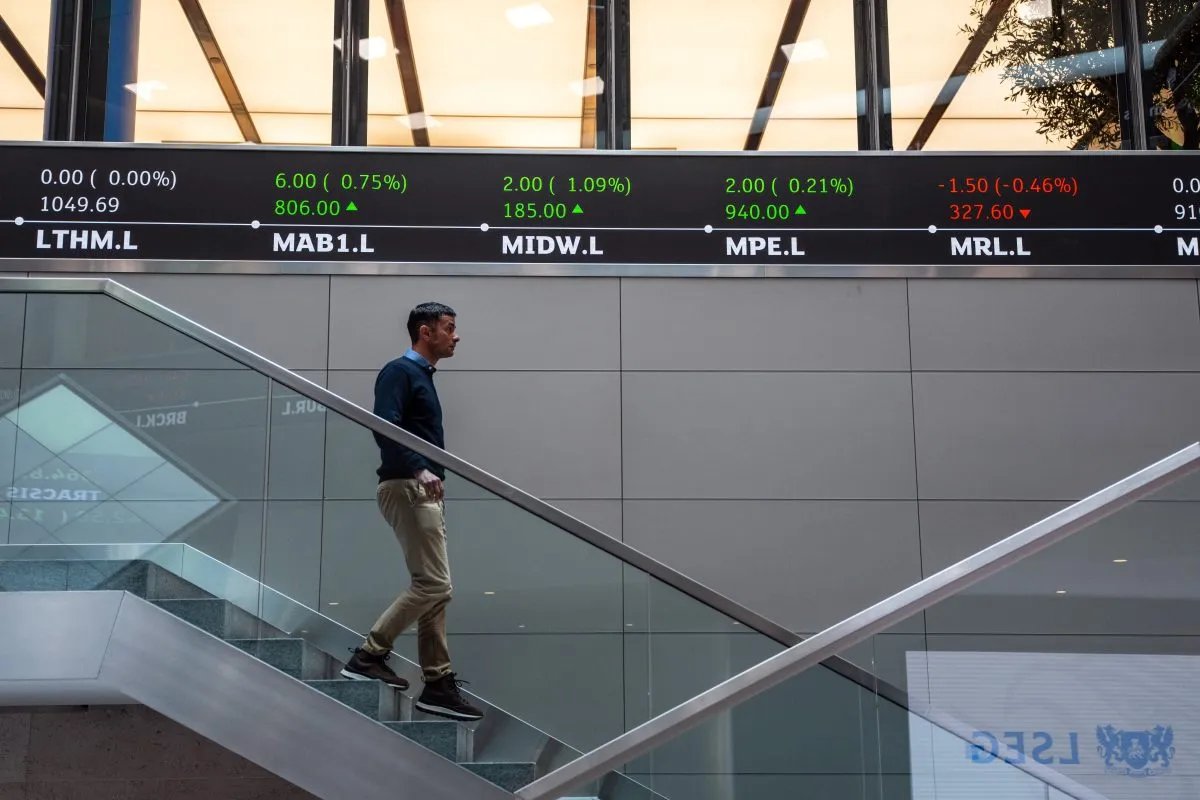
    Traders analyzing data on screens at London Stock Exchange, showcasing investment trends and market activity

    Bonds are increasingly attracting investors

    UK investors piled into bonds in June, as soaring valuations in equity markets has left many investors looking to avoid heightened risk and stretched value.

    Bond funds attracted over £1bn of net inflows last month, making it third-strongest on record for fixed income funds, according to the latest data from Calastone.

    The streak came as investors continue to rebalance portfolios towards assets offering income as well as diversify away from equity markets amid heightened valuations.

    Bonds also attracted £2.2bn of new inflows in the first six months of the year.

    In response, equity funds suffered net outflows of £437m, with the asset class suffering £2.6bn outflows in the first half of the year.

    The Asia-Pacific region suffered the largest equity outflows in June, with investors selling £312m of their holdings, marking the 38th consecutive month of outflows.

    UK-focused funds lost £260m, reversing May’s slight inflows, while both global and North American funds dodged losses.

    Edward Glyn, head of global markets at Calastone, said: “Bond funds are benefiting from an unusually attractive combination of high income and the prospect of capital gains if interest rates begin to fall.

    “At the same time, geopolitical tensions, an uncertain economic outlook and elevated equity valuations are encouraging investors to rebuild the defensive side of their portfolios.”

    Concentration trap

    Asset managers are increasingly sounding the alarm over valuations as markets experience continued highly concentrated gains off the back of the AI boom.

    AI and tech companies are dominating market value, with indexes including the S&P 500 becoming increasingly concentrated.

    This means the vast majority of index capital flows into a few mega-cap stocks, leaving passive investors exposed to a potential crash, as the funds hold weight based on market capitalisation, which causes more capital to be fed to large companies.

    This has left industry figures urging investors to be aware of the anticipated stock market debut of Open AI and Anthropic, following Space X’s listing earlier this year, in particular for those who take a passive approach, as they were already affected by the tech sell-offs last month.

    Passive investing is a long-term strategy aimed at gradually building wealth, but instead of picking individual stocks, investors buy and hold broad, low-cost index funds that typically track a market benchmark.

    Read more

    London bucks trend as investors shun stocks in ‘near record’ demand for mixed-asset funds

    In contrast, active investing allows both investors and fund managers to track stock performance in an attempt to outperform the broader market and avoid the concentration trap.

    Investors make decisions based on market trends, economic shifts and companies’ financial and corporate performance.

    Property fund outflows ease

    Elsewhere, property funds outflows fells to £6.1m, as investors anticipate incoming lower interest rates will bring buyers back to the market.

    Outflows dropped from £14.8m in May, continuing the broader trend of dwindling outflows which began in October 2025.

    But despite the fall, and June marking the smallest month of outflows since May 2024, it was the 25th consecutive month of losses, reflecting ongoing struggles in the housing market, with Glyn noting the market is not yet at a “decisive turning point”.

    Glyn said: “Property funds have been under pressure since higher interest rates reduced the relative appeal of commercial real estate and increased financing costs across the sector.

    However, expectations that interest rates are moving lower, together with attractive property yields and signs of
    stabilisation in commercial real estate valuations, appear to be encouraging buyers back into the market.

    “We’re not yet seeing a decisive turning point, but the trend over recent months points to
    a gradual rebuilding of confidence.”

    Read more

    Partners Group suffers surge in withdrawal requests and braces to cap more funds

    Similarly tagged content:

    Sections

    Categories

    People & Organisations

    Related Topics


    Source link

    Share. Facebook Twitter Pinterest LinkedIn Tumblr Telegram Email

    Related Posts

    Still holding on to Premium Bonds that never win? This is what it’s really costing you

    July 6, 2026

    ABP pulls more US bonds, largest share of fund now in Europe

    July 6, 2026

    Thinking of investing in bonds? Here’s a simple guide for first-time investors

    July 3, 2026
    Leave A Reply Cancel Reply

    Top Posts

    The Shifting Landscape of Art Investment and the Rise of Accessibility: The London Art Exchange

    September 11, 2023

    Charlie Cobham: The Art Broker Extraordinaire Maximizing Returns for High Net Worth Clients

    February 12, 2024

    Mutual funds holding cash: Is high cash balance a red flag for investors? Experts explain

    July 7, 2026

    The Unyielding Resilience of the Art Market: A Historical and Contemporary Perspective

    November 19, 2023
    Don't Miss
    Mutual Funds

    Mutual funds holding cash: Is high cash balance a red flag for investors? Experts explain

    July 7, 2026

    A mutual fund primarily invests in stocks, bonds, or commodities, but not every rupee in…

    RiverPark Large Growth Fund’s Q1 2026 Investor Letter

    July 6, 2026

    3 Robotics ETFs Positioned to Capitalize on America’s Reshoring Boom in 2026

    July 6, 2026

    Investment funds: what are they and how do they work?

    July 6, 2026
    Stay In Touch
    • Facebook
    • Twitter
    • Pinterest
    • Instagram
    • YouTube
    • Vimeo
    EDITOR'S PICK

    Amundi Buy & Watch High Yield 2029

    March 27, 2025

    How to earn a tax-free second income from UK property without purchasing a buy-to-let

    April 11, 2026

    Short-dated corporate bonds are in a sweet spot

    October 21, 2024
    Our Picks

    Mutual funds holding cash: Is high cash balance a red flag for investors? Experts explain

    July 7, 2026

    RiverPark Large Growth Fund’s Q1 2026 Investor Letter

    July 6, 2026

    3 Robotics ETFs Positioned to Capitalize on America’s Reshoring Boom in 2026

    July 6, 2026
    Most Popular

    🔥Juve target Chukwuemeka, Inter raise funds, Elmas bid in play 🤑

    August 20, 2025

    💵 Libra responds after Flamengo takes legal action and ‘freezes’ funds

    September 26, 2025

    ₹9000 monthly SIP can help you retire at 45 with ₹2 lakh monthly pension

    May 5, 2026
    © 2026 Fund Focus News
    • Get In Touch
    • Privacy Policy
    • Terms and Conditions

    Type above and press Enter to search. Press Esc to cancel.