
If you’ve been tracking the markets lately, one thing is hard to miss and that is precious metals being back in focus. With global uncertainty refusing to fade and silver prices hovering close to multi-year highs, Indian investors are quietly but steadily increasing exposure to silver Exchange Traded Funds, or ETFs.
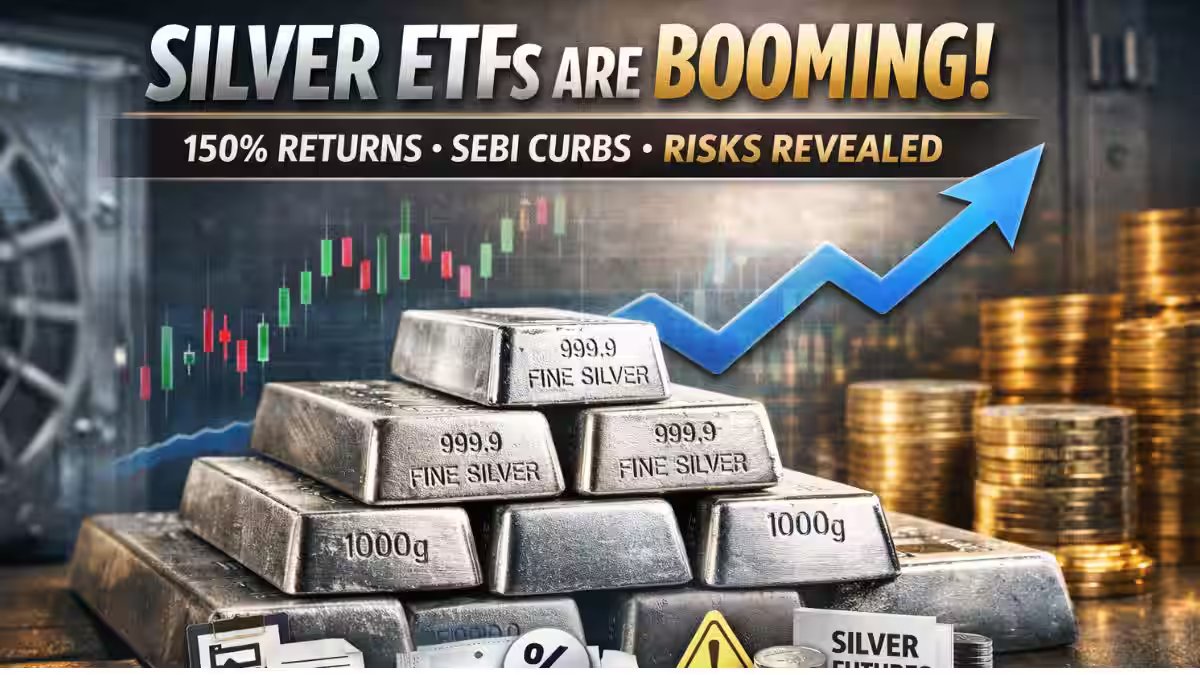
In February 2026, silver ETFs have found themselves at the centre of attention. Volatile markets, strong price momentum and regulatory tweaks have all played a role. According to brokerage reports, some silver ETFs have delivered returns of over 150 per cent in the past year, a number that has caught the eye of retail investors even as equities have seen bouts of correction.
So, what exactly is a silver ETF?

Basically, a silver ETF allows you to invest in silver without actually buying or storing the physical metal. These funds are listed and traded on stock exchanges such as the National Stock Exchange of India and the BSE Ltd, which means you can buy or sell them just like shares.
Behind the scenes, these ETFs hold physical silver, typically 99.9 per cent pure bars that meet global standards laid down by the London Bullion Market Association. The silver is stored securely in vaults, and the ETF’s price moves in line with domestic silver rates, usually benchmarked to the Multi Commodity Exchange of India.
For those who invest in silver ETFs, it basically removes the usual headaches that come with physical silver. It leaves no worries about purity, storage, insurance or resale.
How silver ETFs found their footing in India
Silver ETFs were introduced in 2022 after approval from the Securities and Exchange Board of India, which means they are relatively new in the context of Indian market. However, investor interest has grown quite well, with assets under management increasing to several thousand crore rupees by 2025.
What is making investors interested in silver ETFs
Experts point to number of reason behind this surge in demend of the silver ETF. The main reasons include inflation concerns, geopolitical tensions and silver’s growing industrial demand, especially in areas like renewable energy and electronics. Unlike gold, silver straddles both the precious and industrial metals space and that dual role is adding to its appeal.
How do these ETFs actually work?
Most silver ETFs invest at least 95 per cent of their assets in physical silver held with approved custodians. A small portion, up to 10 per cent, may be invested in silver derivatives. The cost of managing these funds is relatively low, with expense ratios typically ranging from about 0.3 per cent to 1 per cent.
From an investor’s point of view, access is simple. If you have a demat account, you can trade silver ETF units during market hours, just as you would trade a stock.
Why SEBI’s latest proposal matters
With metal prices seeing sharp intraday swings, the regulator has stepped in with a proposal aimed at reducing extreme volatility. On February 14, SEBI floated the idea of introducing price bands for gold and silver ETFs.
The proposal suggests an initial price band of plus or minus 6 per cent, which could be widened up to 20 per cent during the trading day after a cooling-off period. The intent is straightforward: ensure orderly trading and protect investors when global prices move sharply.
Not all silver ETFs are the same
There are broadly two kinds of silver ETFs. Physically-backed ETFs hold actual silver bullion and track spot prices closely. Silver ETFs based on Futures invest in silver futures contracts in the place of physical metal.
Futures-based products can be more diificult to deal with. Since futures contracts expire, fund managers are needed to roll them over regularly, which can make it appear more risky. These are generally better suited for experienced investors who understand derivatives.
What about tax?
This is where many investors pause. Silver ETFs are treated as non-equity mutual funds for tax purposes. Under rules applicable from April 2023, gains, whether short-term or long-term are taxed at the investor’s income tax slab rate. There’s no indexation benefit anymore. Any dividends received are also taxed as regular income.
Risks you shouldn’t ignore
While silver ETFs offer convenience and transparency, they’re not risk-free. Silver prices can be volatile, influenced by industrial demand, global growth cues and geopolitical developments. There can also be small tracking errors between ETF prices and actual silver prices. In futures-based ETFs, counterparty and rollover risks add another layer of complexity.
And because of the tax structure, short-term investors in higher tax brackets may see post-tax returns shrink faster.
The takeaway
Silver ETFs have made it easier than ever to participate in the silver story without dealing with lockers or purity certificates. As volatility stays elevated and regulatory oversight strengthens, these products are increasingly finding a place in diversified portfolios. Still, strong past returns alone shouldn’t drive decisions. Understanding how these ETFs work, what they cost and how they’re taxed is just as important before taking the plunge.